Mada Masr · Cairo · 2014–2017
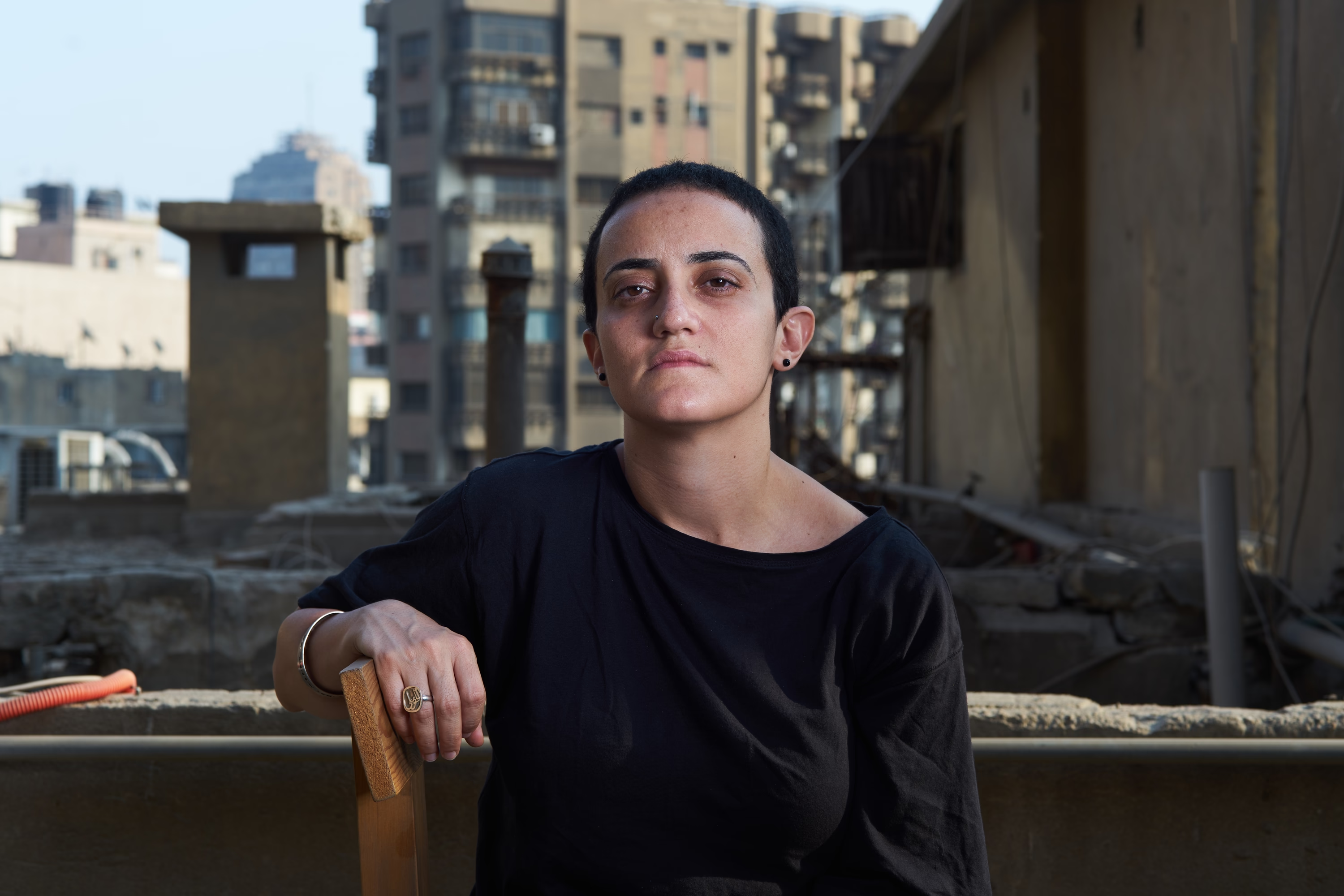
Lina Attalah and her newsroom
Portraits of Mada Masr’s journalists, a visit from Belal Fadl, and my work editing Panorama with Rob Stothard.
Mada Masr began in June 2013, founded by journalists who had lost their jobs at Egypt Independent. The publication’s own account describes an independent newsroom working in Arabic and English, with photography, sound and video alongside its written reporting.
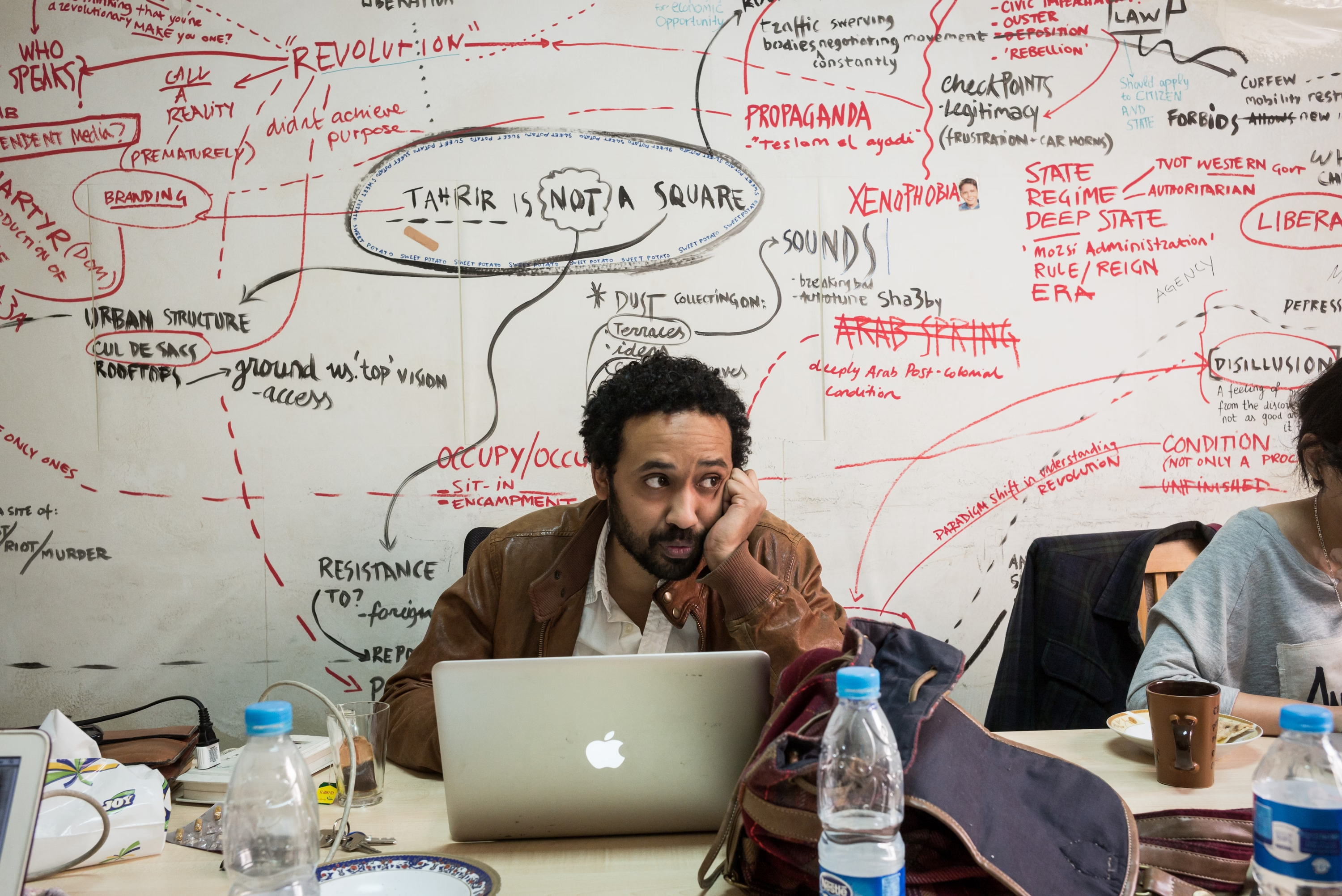
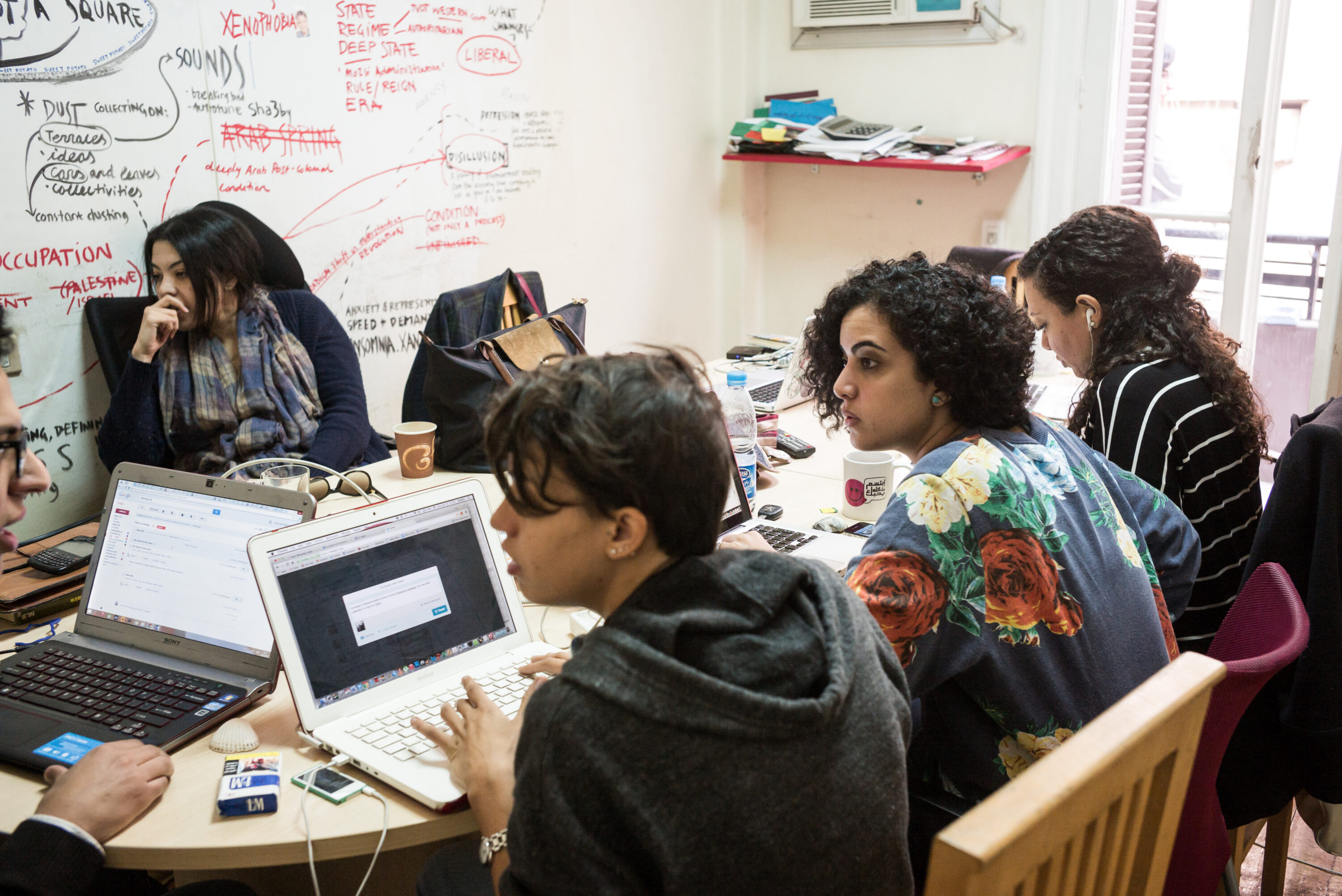
I remember an energetic group of dogged reporters with great connections. My relationship with them crossed between photographing the newsroom and working with photographers as an editor of Panorama.
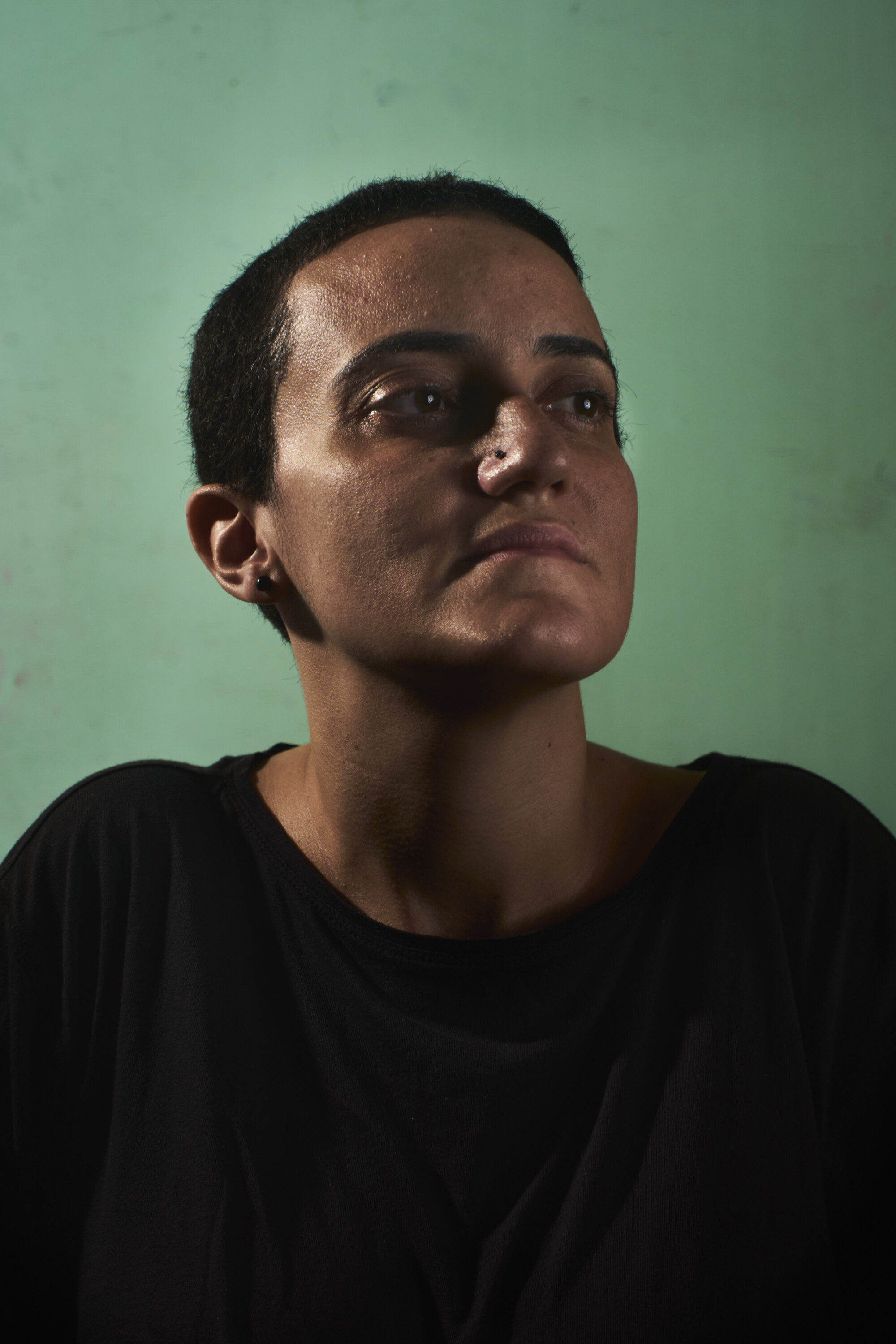
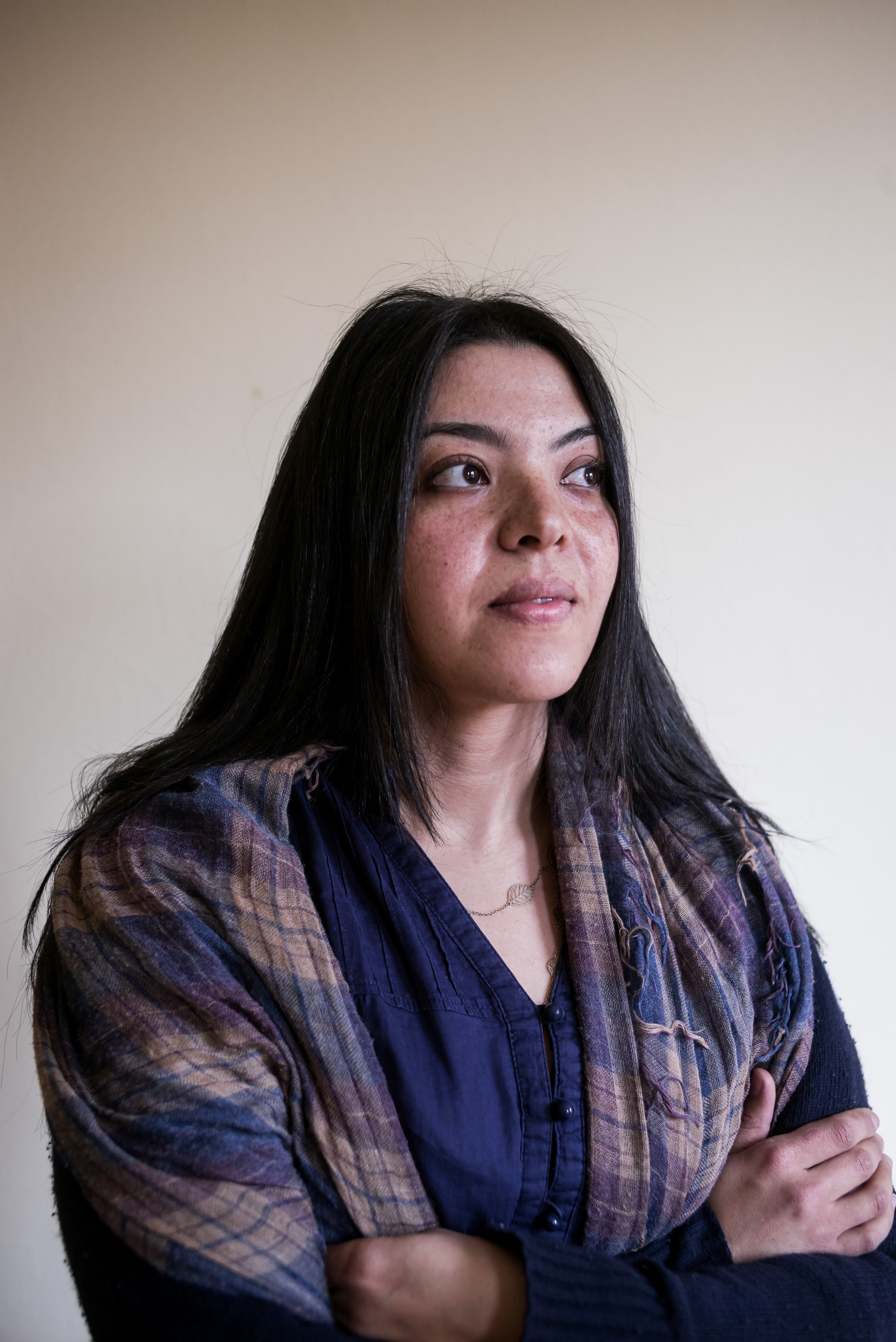
I photographed Lina for TIME in September 2017. Jared Malsin’s Next Generation Leaders profile appeared the following month. The same turquoise-wall portrait was used again in Maria Ressa’s TIME100 tribute in 2020.
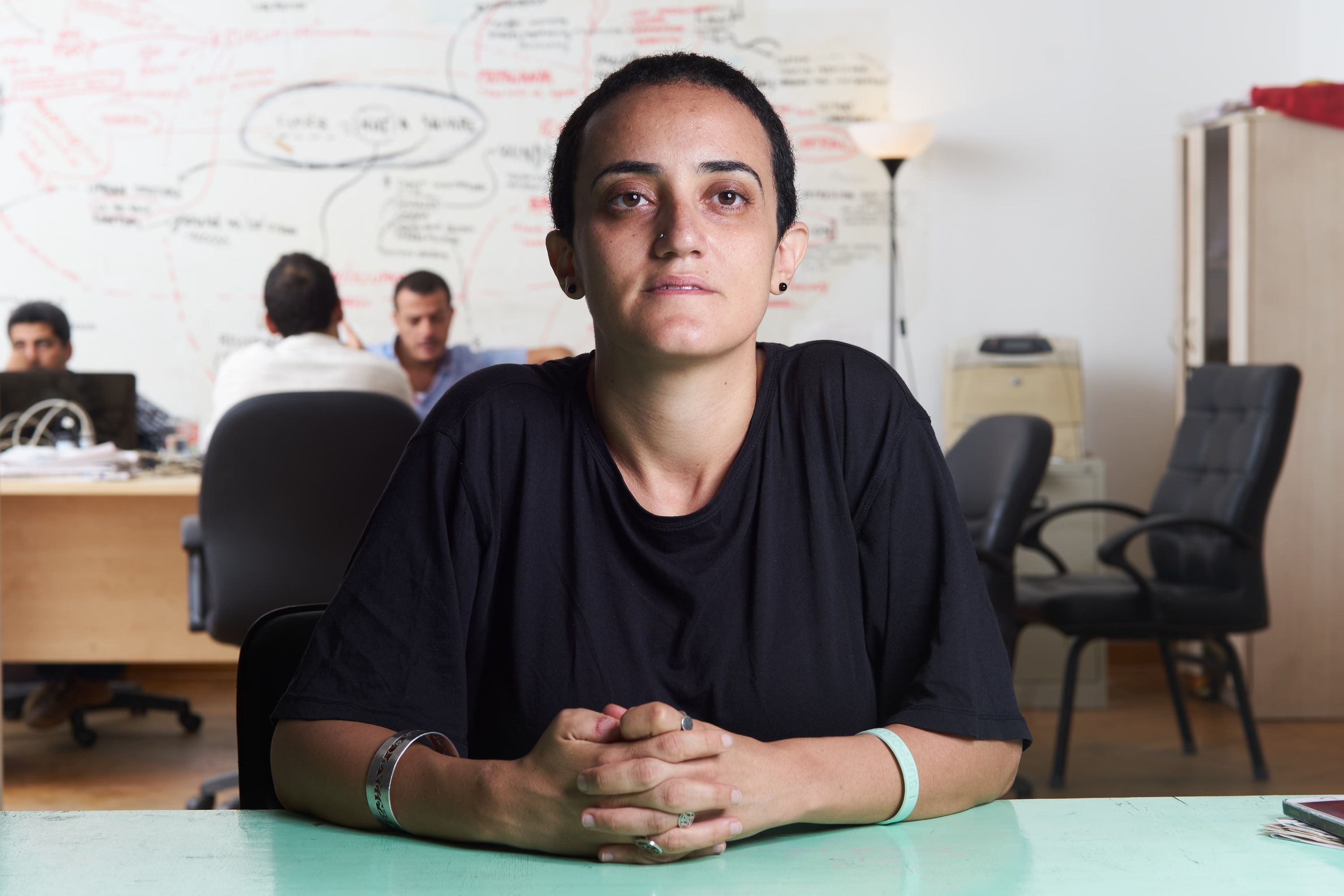
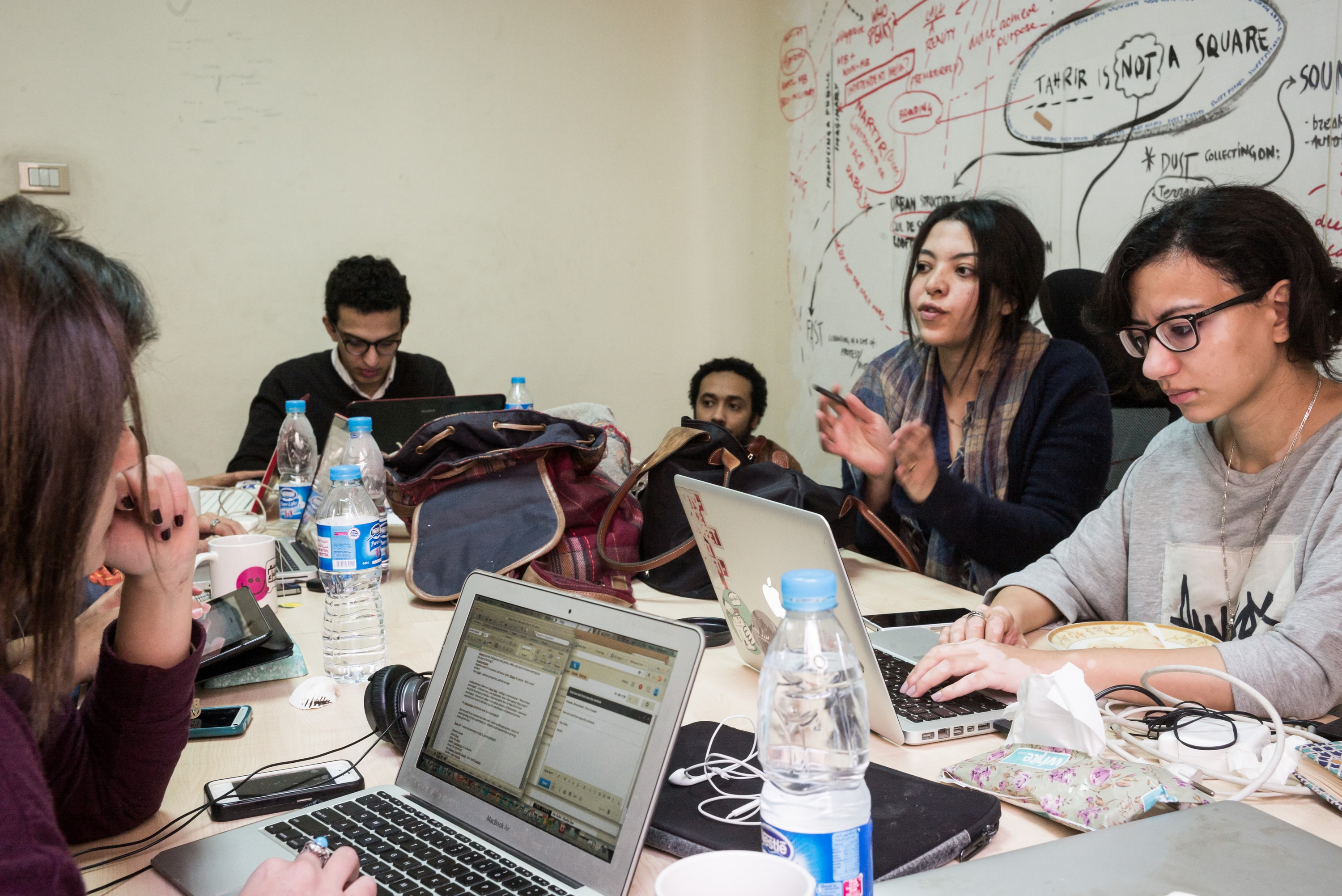
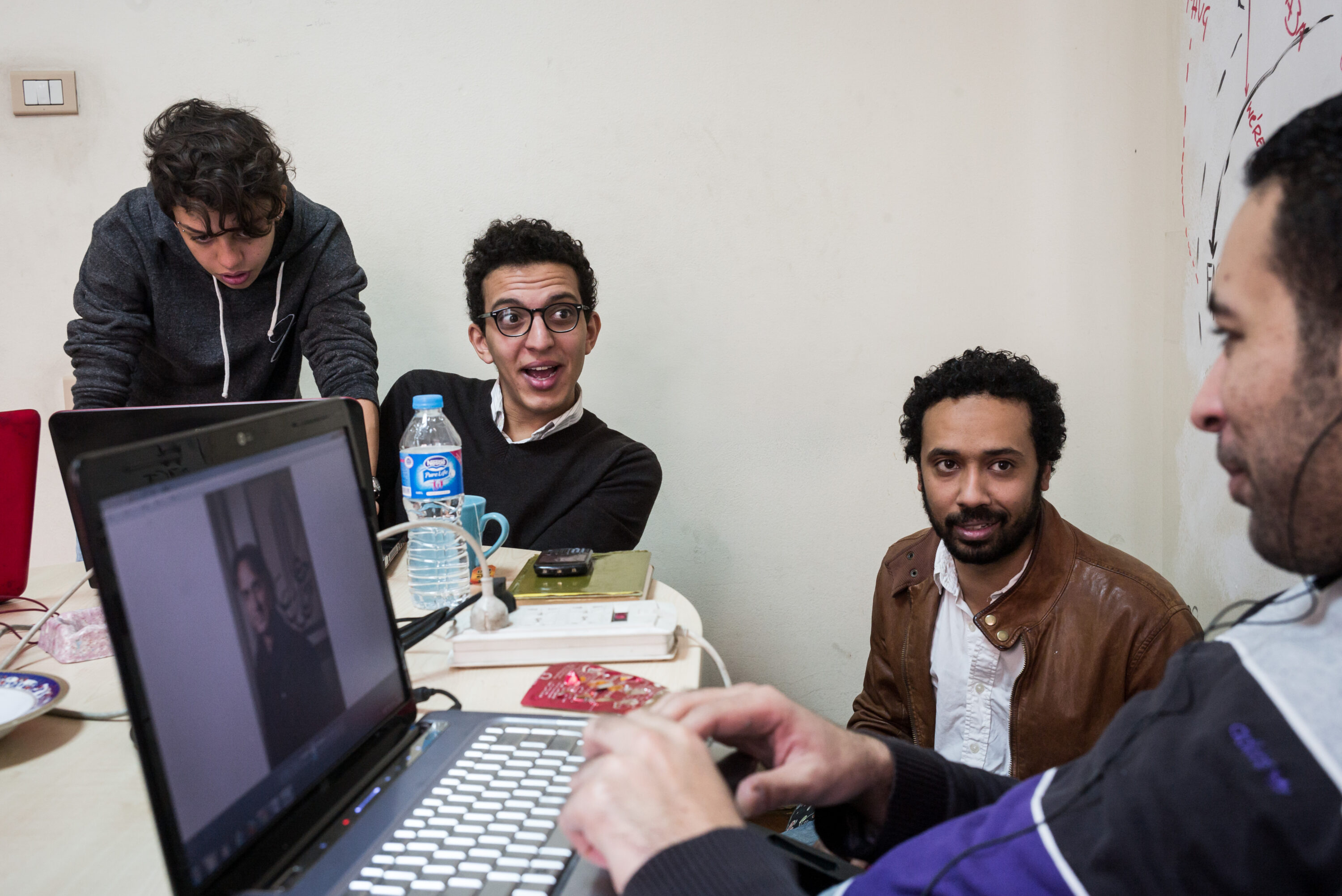
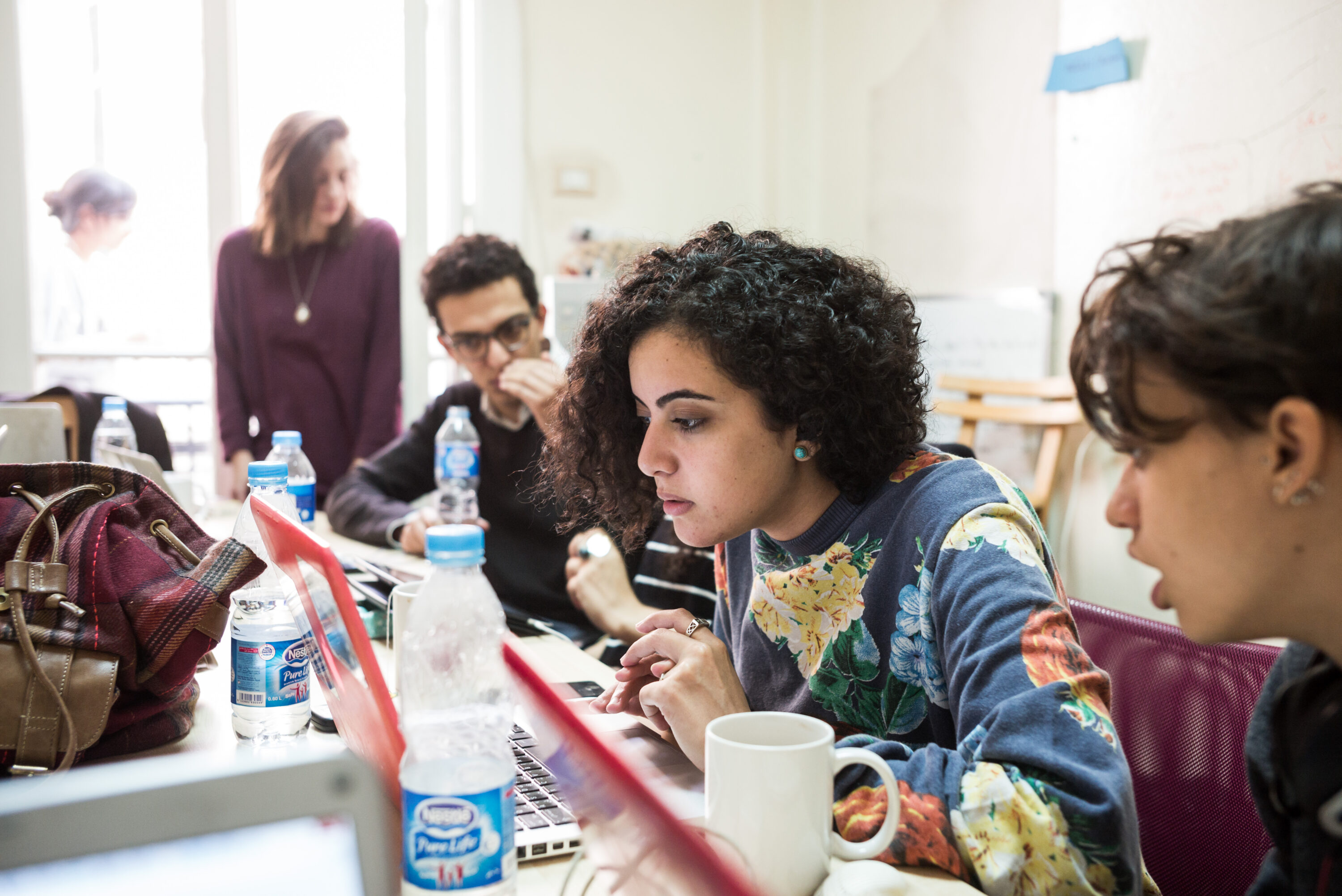
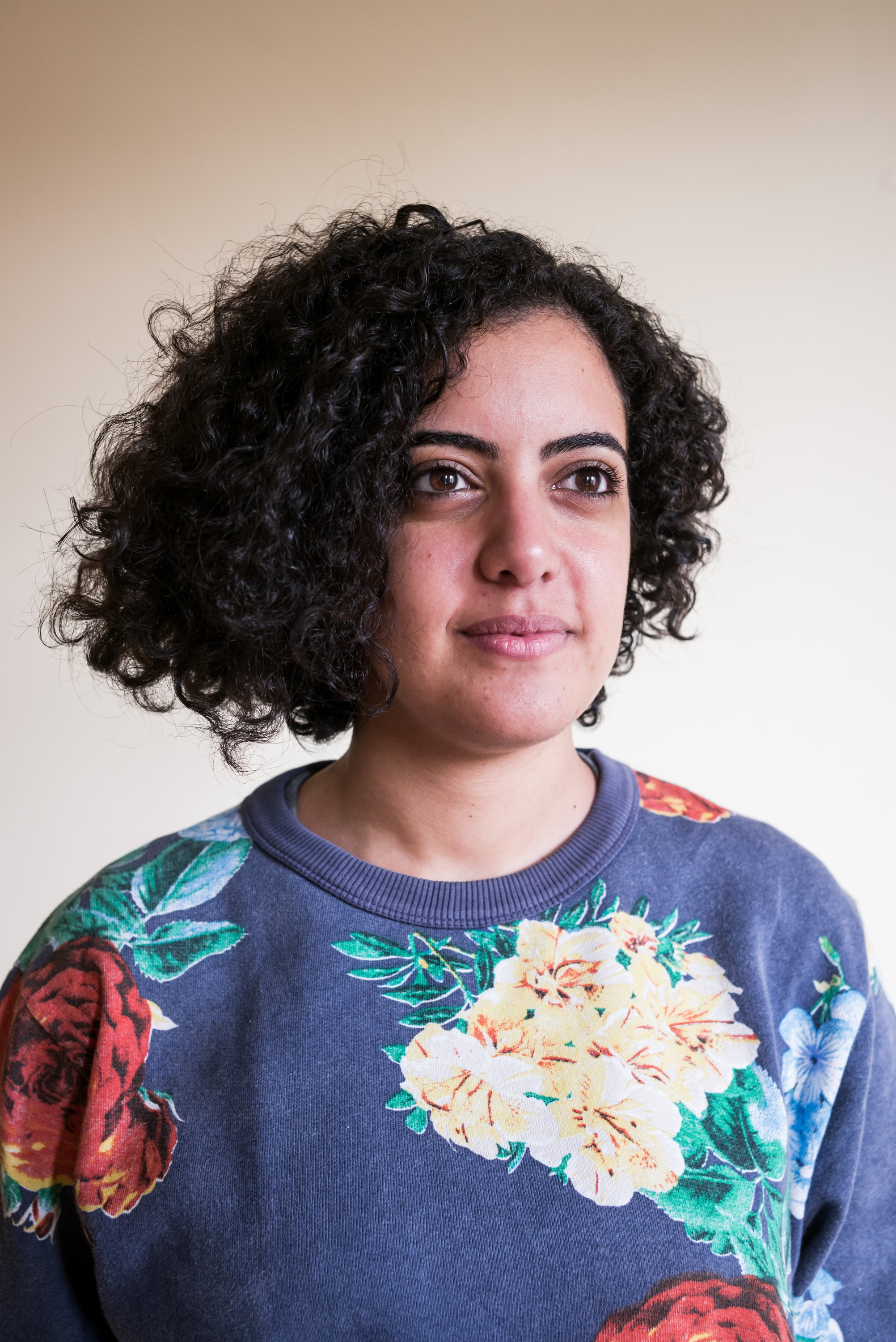
The four portraits below were published with Leslie T. Chang’s 2015 Guardian profile of Mada Masr.
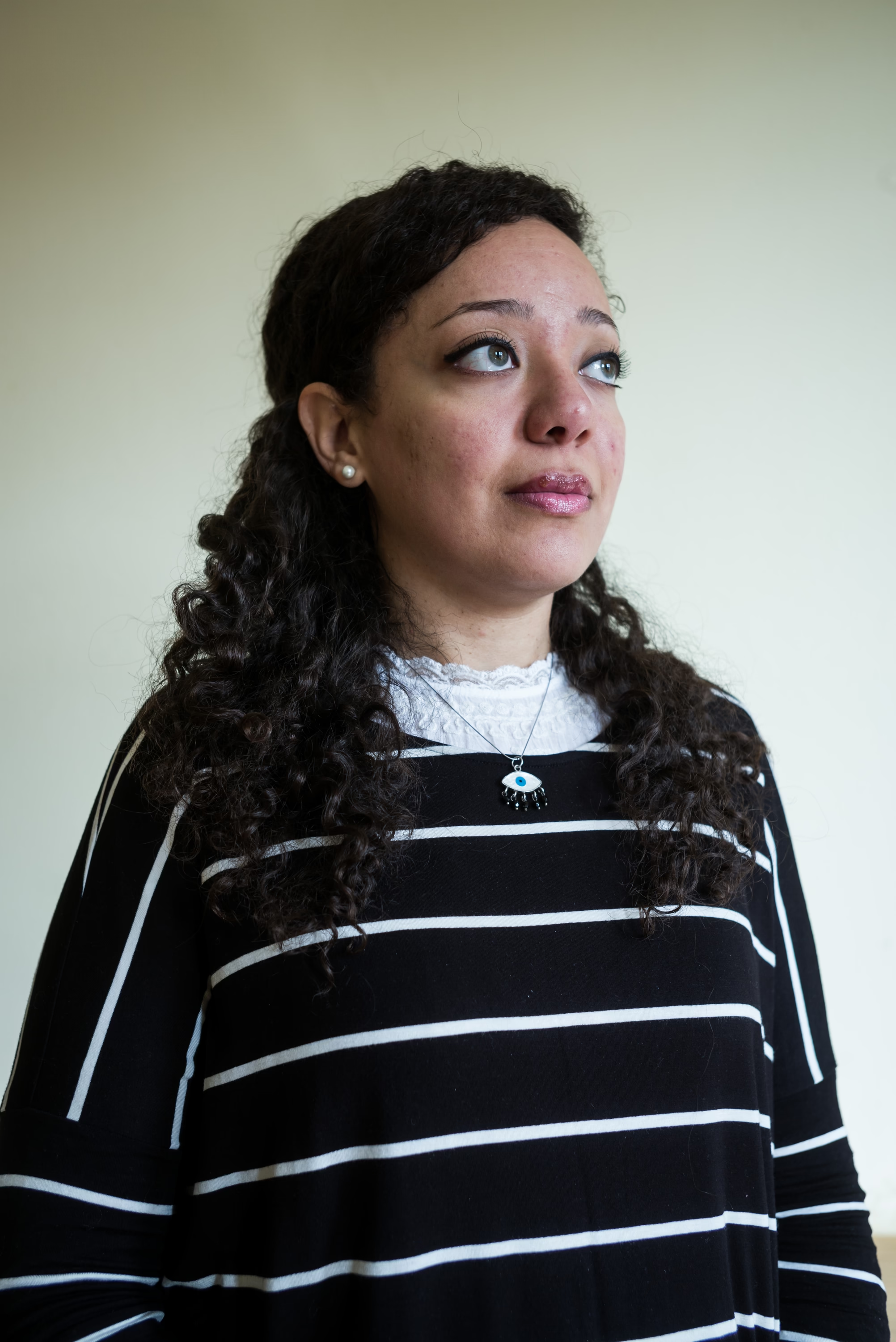
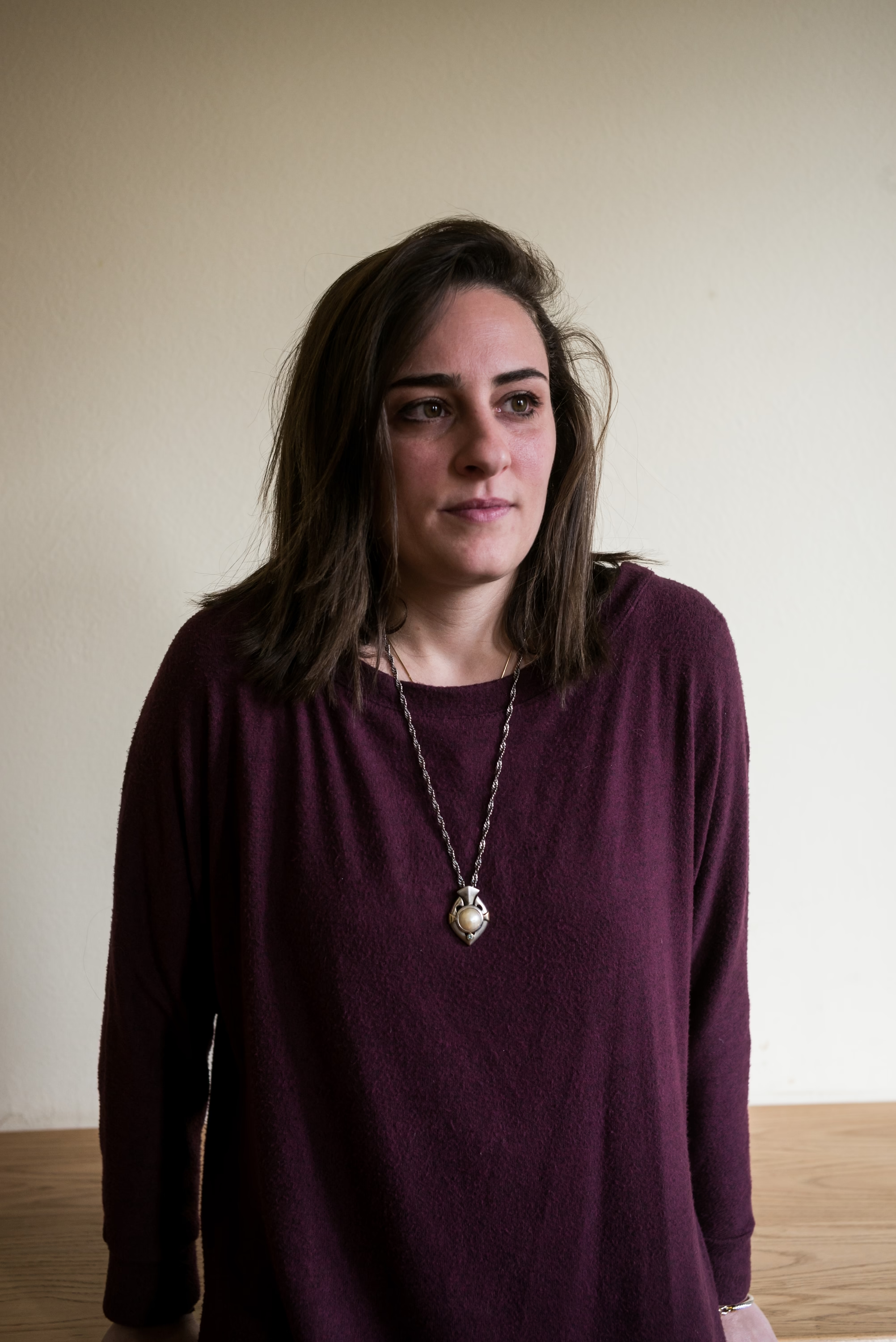
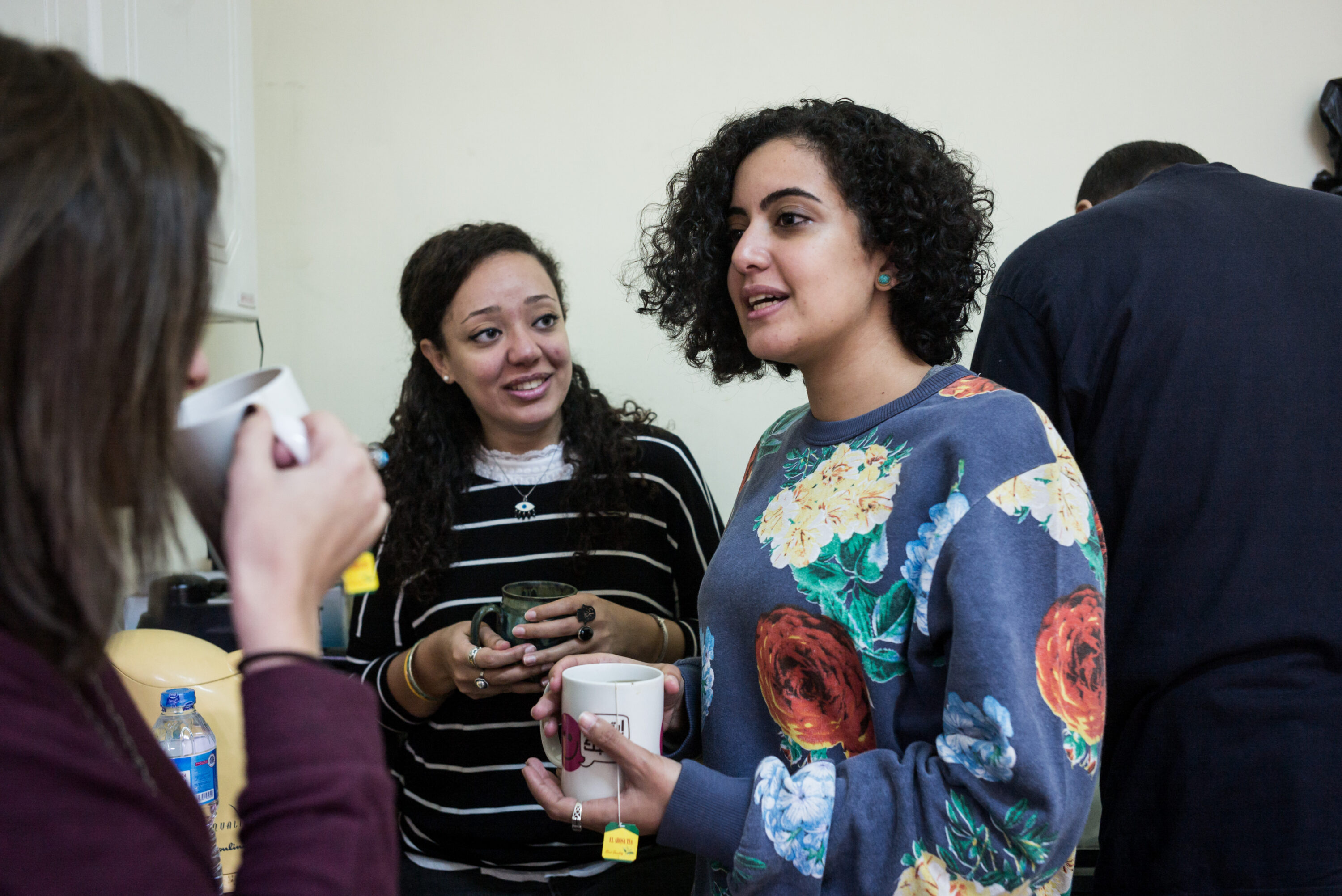
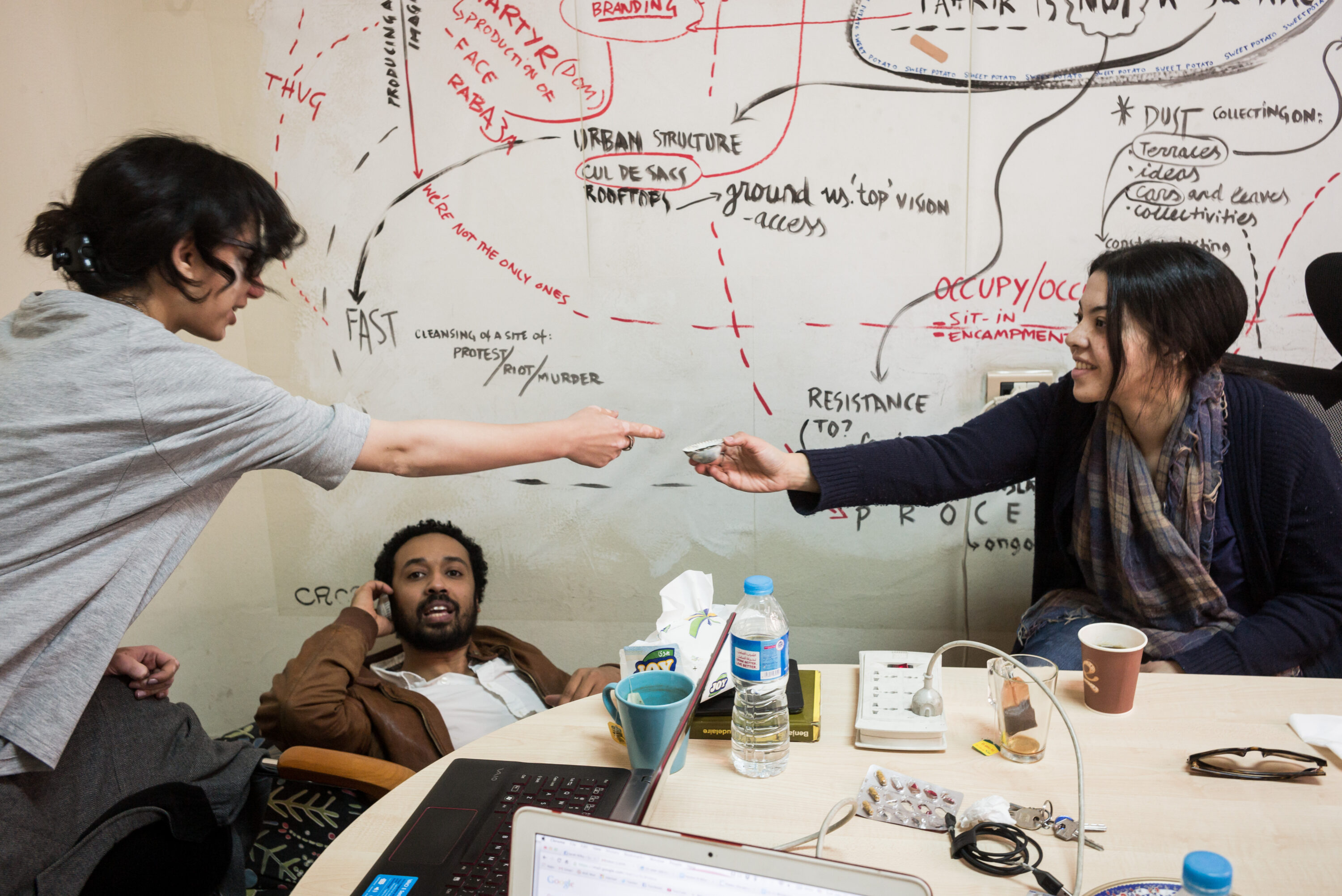
Belal Fadl at Mada Masr
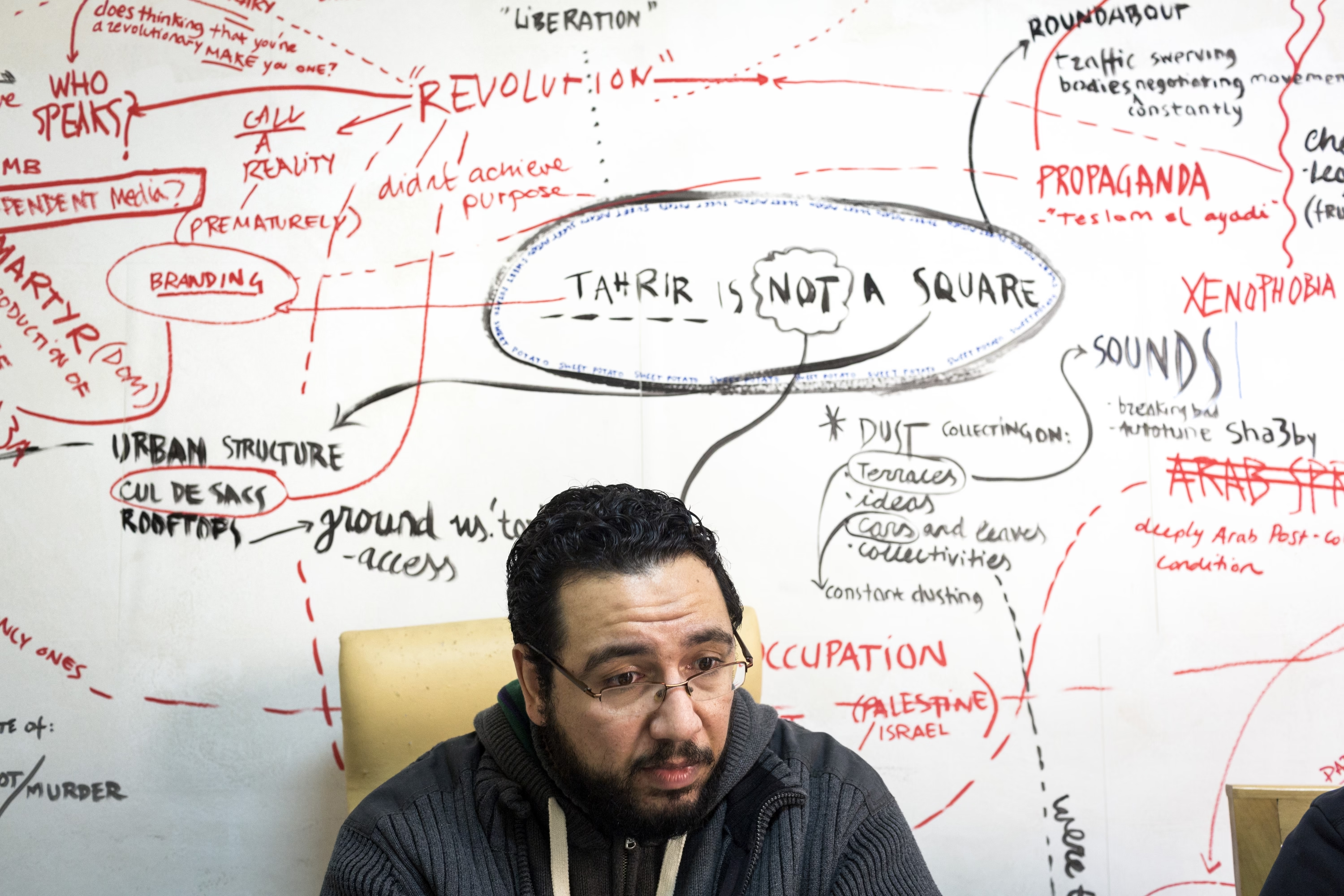
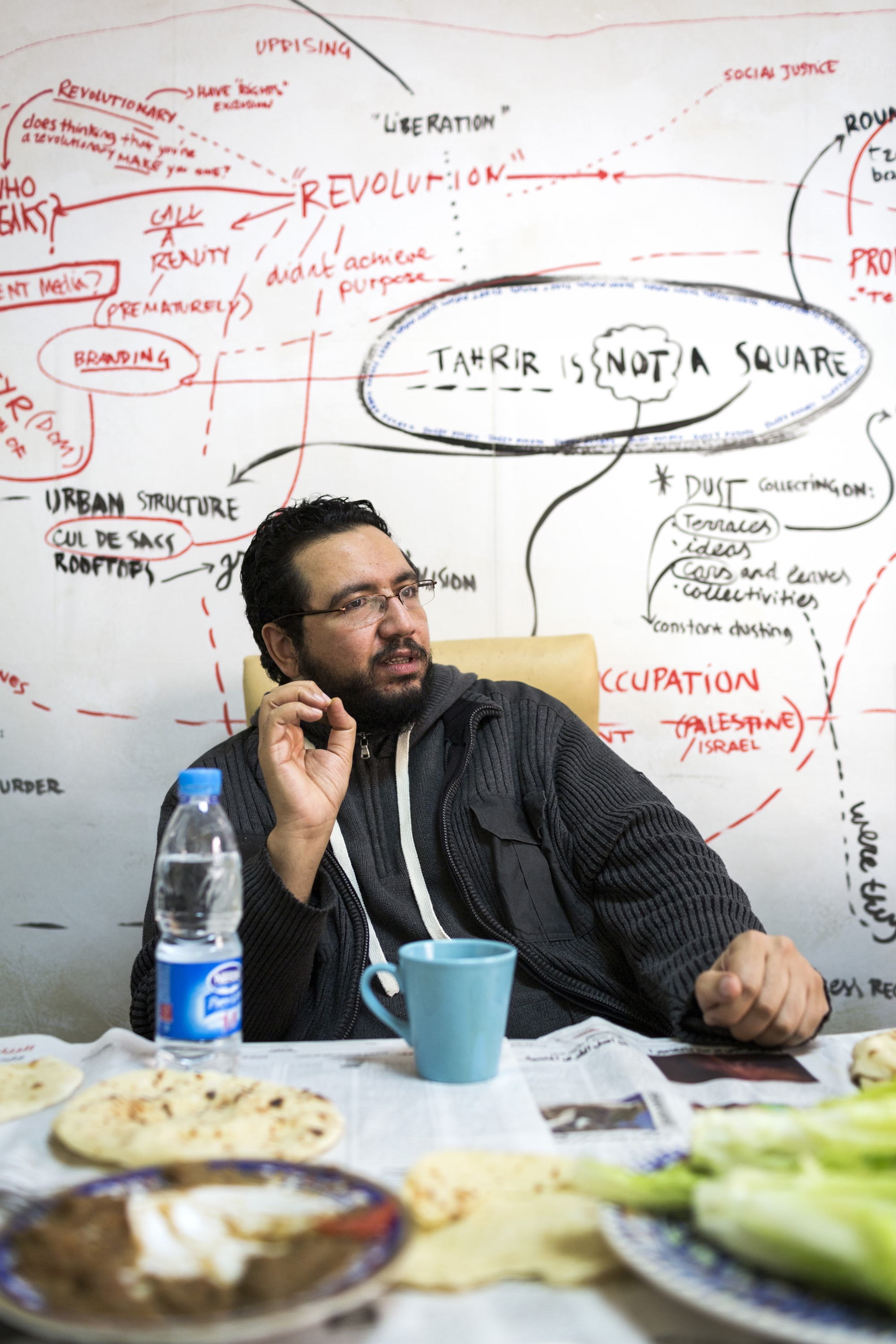
My photographs of Belal Fadl began as a New York Times assignment with reporter Mayy El-Sheikh. Her 2014 profile, “A Voice of Dissent in Egypt Is Muffled, but Not Silent,” followed the writer’s conflict with the newspaper Al-Shorouk.
On January 30, 2014, I photographed him visiting Mada Masr to talk about journalistic freedom. One of my favorite photographs of him came from that visit.
Editing Panorama
Rob Stothard and I were the original photo editors of Panorama, Mada Masr’s photography platform. We published photo stories mainly by Egyptian and Middle Eastern photographers, working with contributors individually to help shape their stories.
In a June 2014 report to Lina and Rob, I counted 41 photo stories from 26 contributors during roughly seven months on the Mada Masr domain. That was a checkpoint in a longer collaboration.
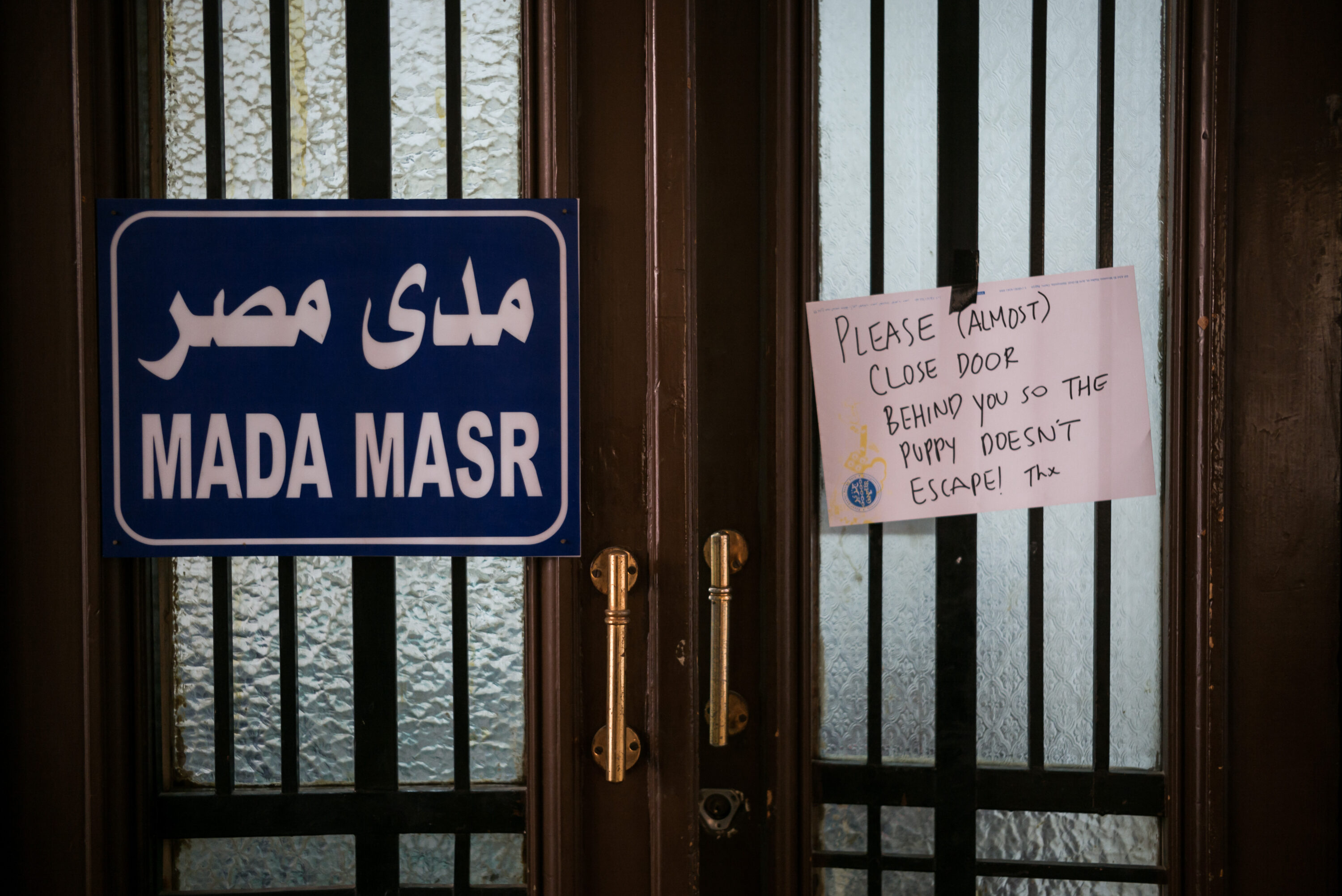
A court order, October 2026
On October 27, 2026, a Cairo court convicted Lina of managing an unlicensed website, fined her EGP3 million and ordered Mada Masr’s closure and the confiscation of its property. The BBC’s later report said she was released after the fine was paid.
The order followed years of pressure, including the blocking of Mada Masr’s website inside Egypt in 2017 and a raid on its newsroom in 2019.
I am especially sad about the threat to their reporting on Sudan in English. For me, its depth and regularity have made it particularly valuable. I fear what readers would lose if that work were silenced.