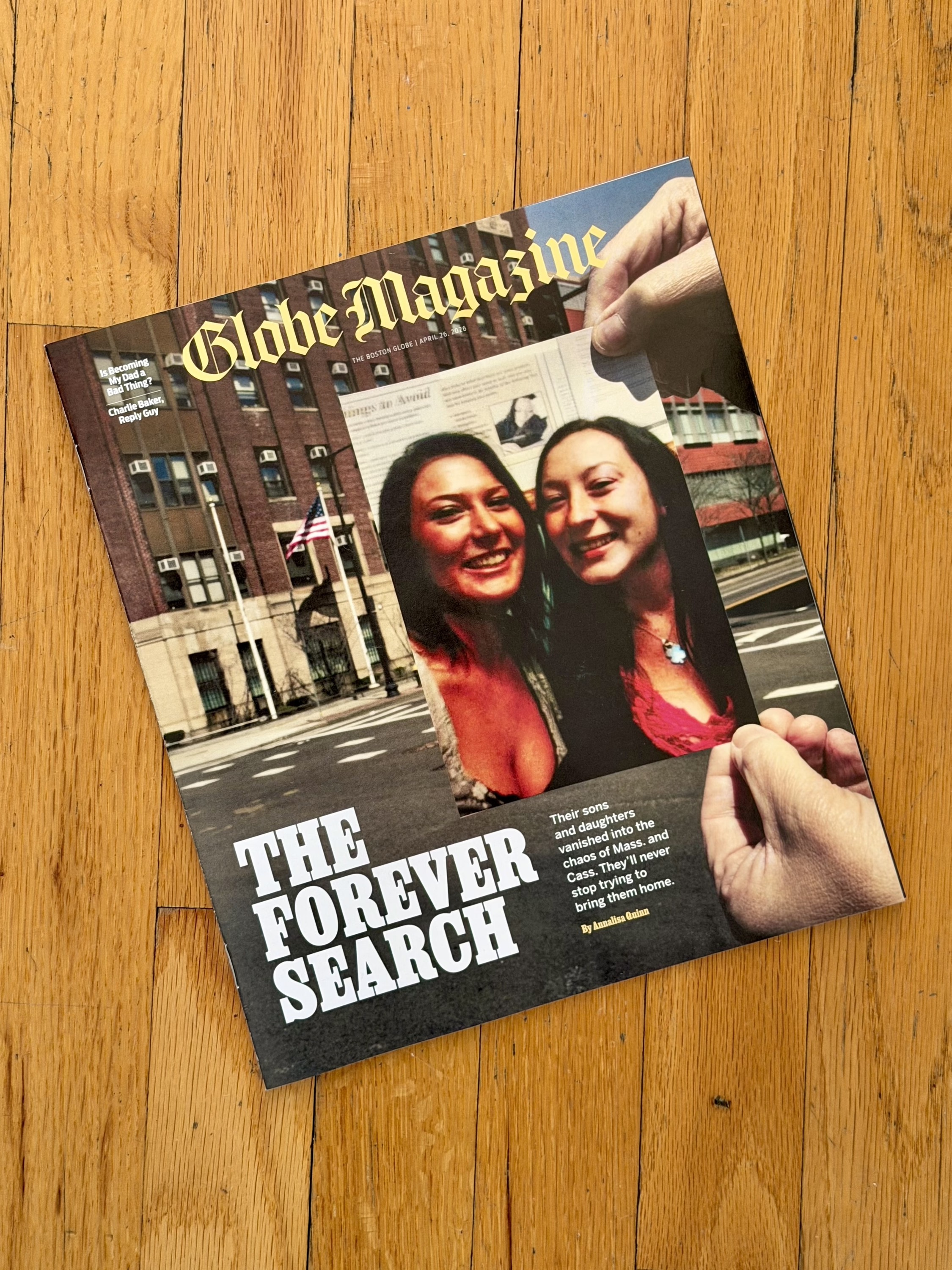
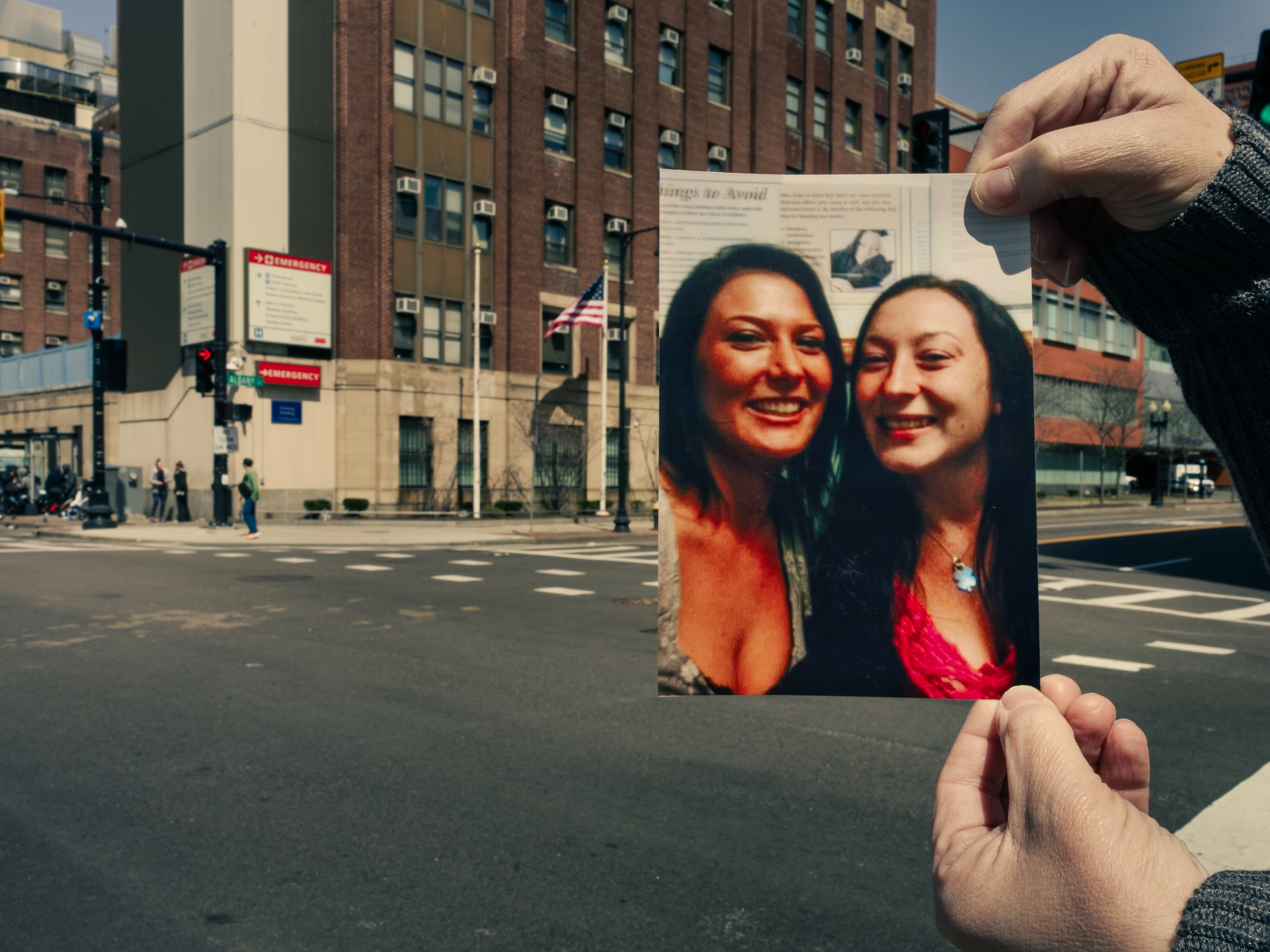
Courtney Flynn has spent thirteen years looking for her twin sister.
Kerri Flynn began using pain pills after their brother Ryan died of an overdose in 2013. Their mother died of breast cancer the following year. Kerri has been living with addiction on the streets of Boston since.
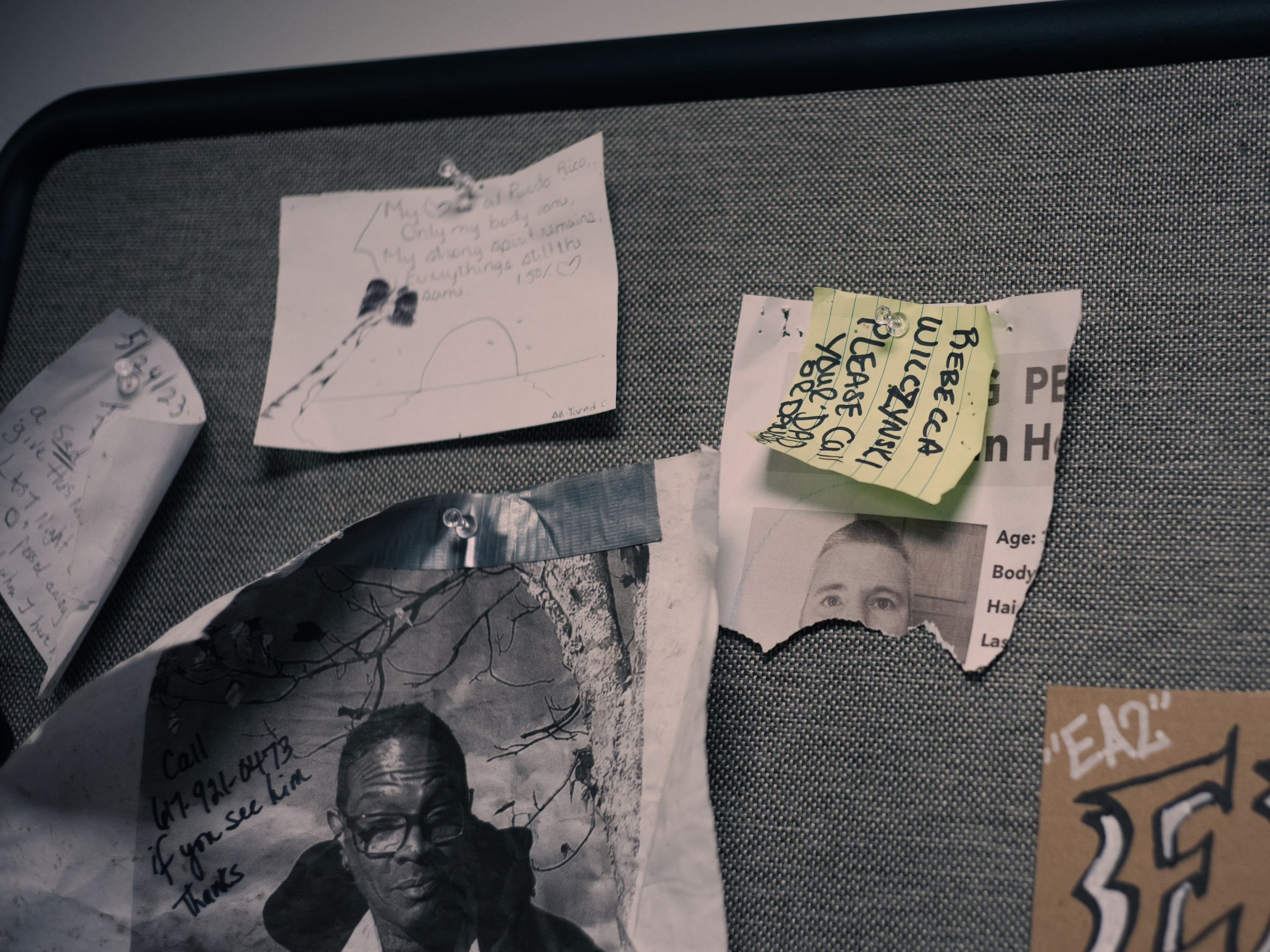
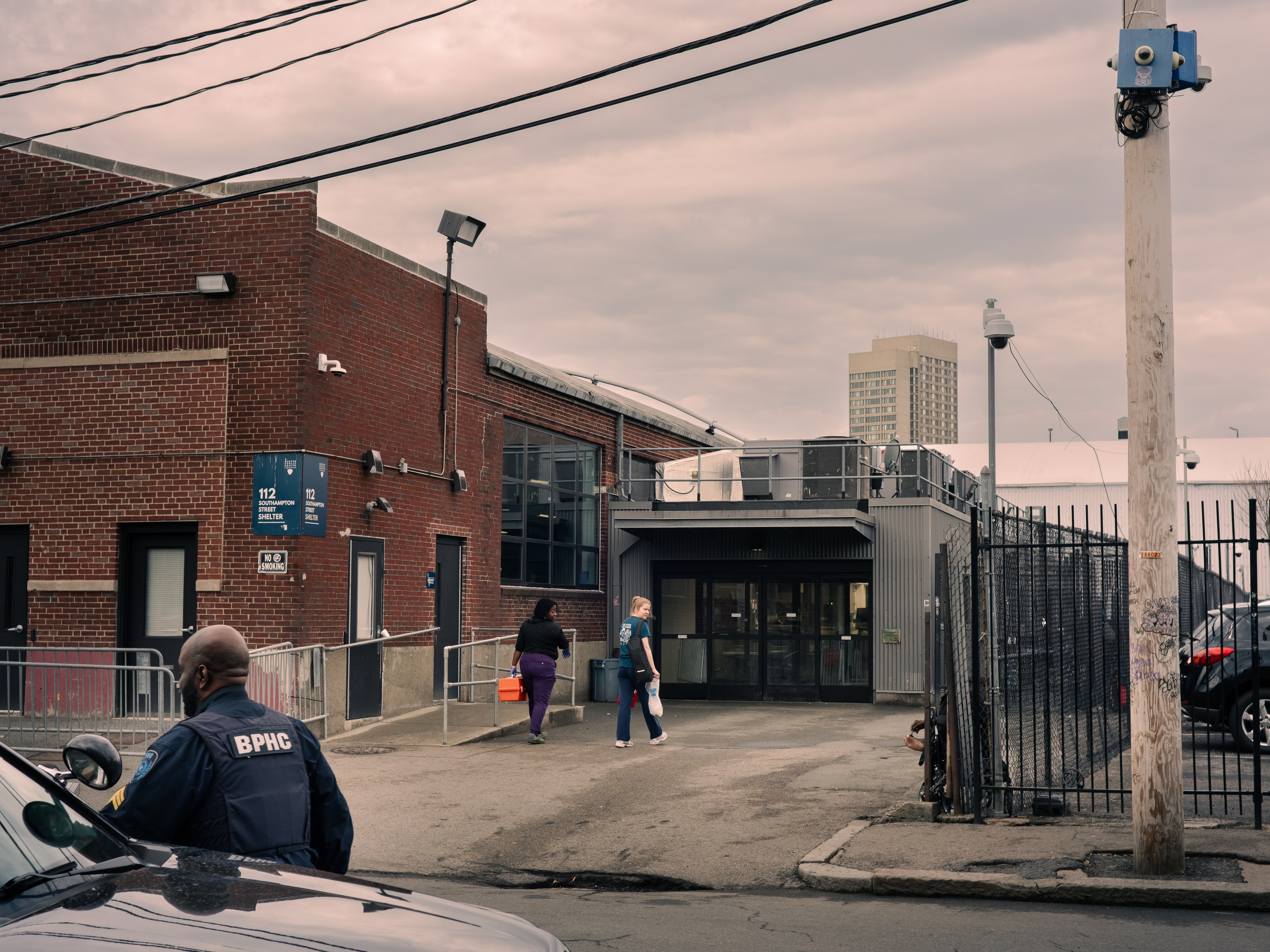
Courtney filed a missing-persons report at the C-6 station in South Boston after her sister disappeared for months. She handed out fliers around Mass and Cass, checked shelters and clinics, looked under bridges, and tried to obtain a Section 35 order committing Kerri to treatment. Officers told her they see Kerri regularly and that she is not, in one officer’s phrase, missing missing. Without Kerri seeking help, they said, there was nothing they could do.
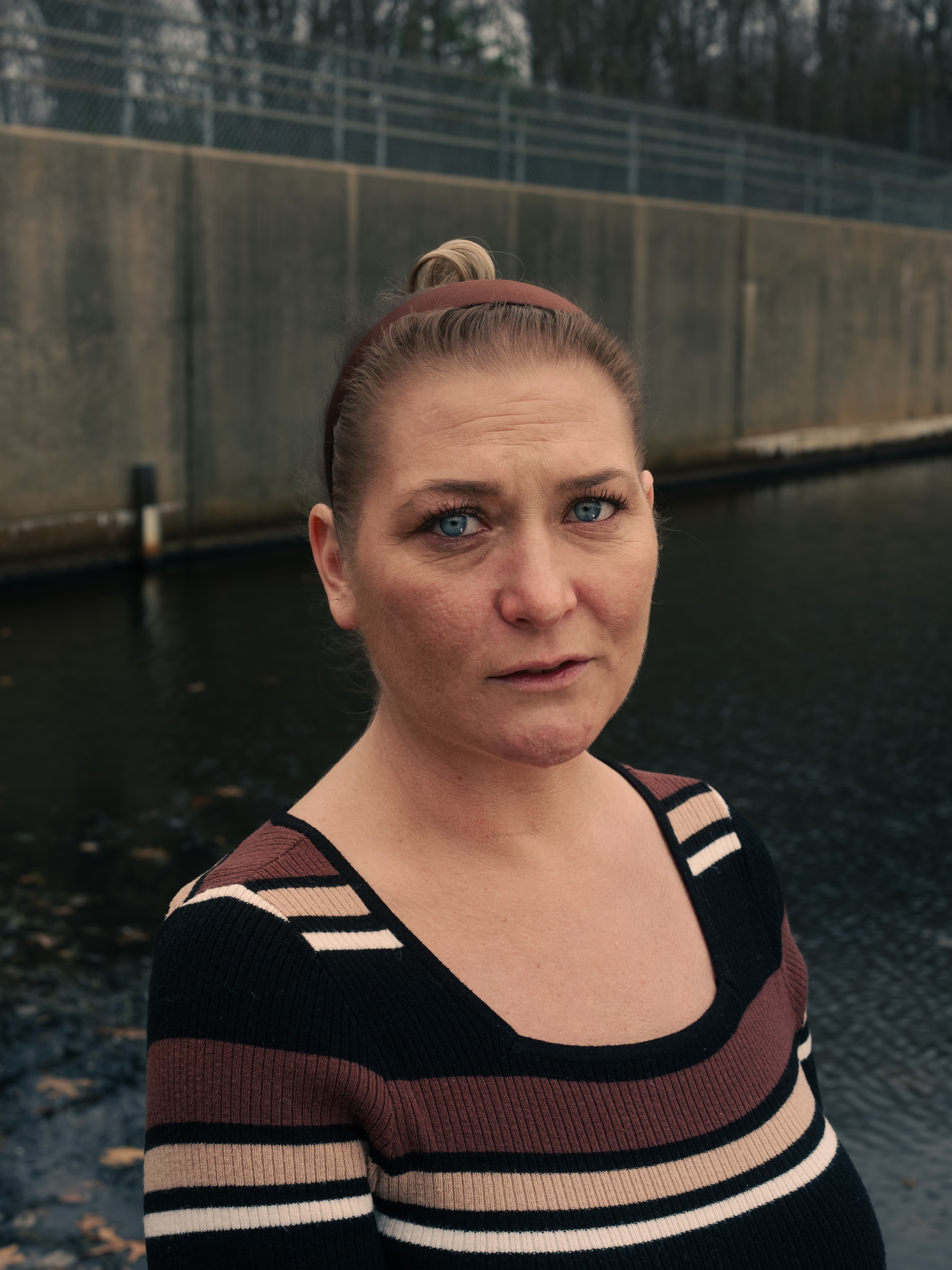

What Courtney learns comes from strangers and arrives late. One person said Kerri had gotten into a car with a man two weeks earlier. Another said she was working downtown. Another warned that girls in the area were being hurt.
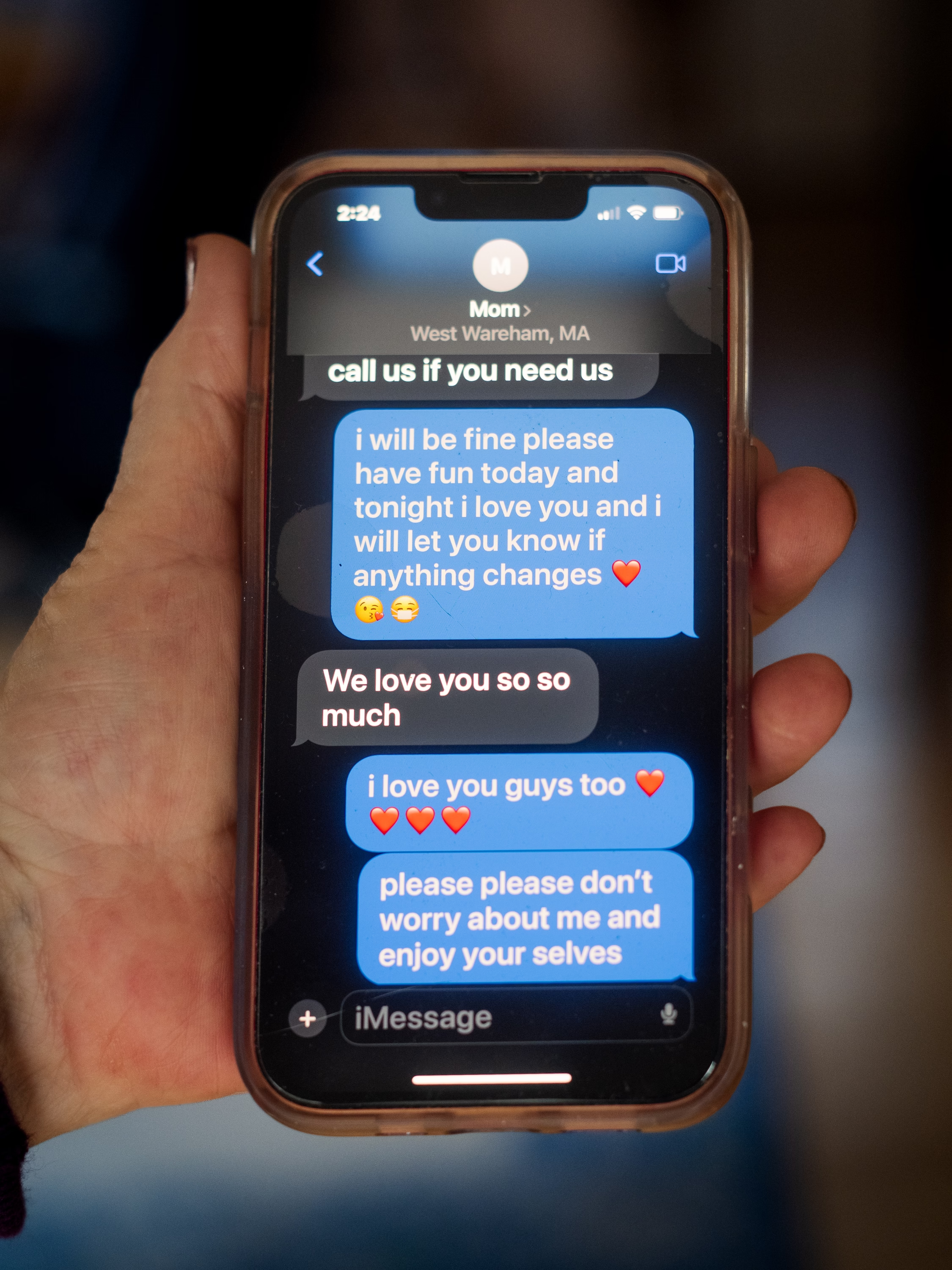
The sisters last saw each other in South Boston Municipal Court, where Kerri appeared sober and weighing about ninety pounds. They exchanged birthday texts in March, Kerri writing from a sober home. She disappeared again shortly after.
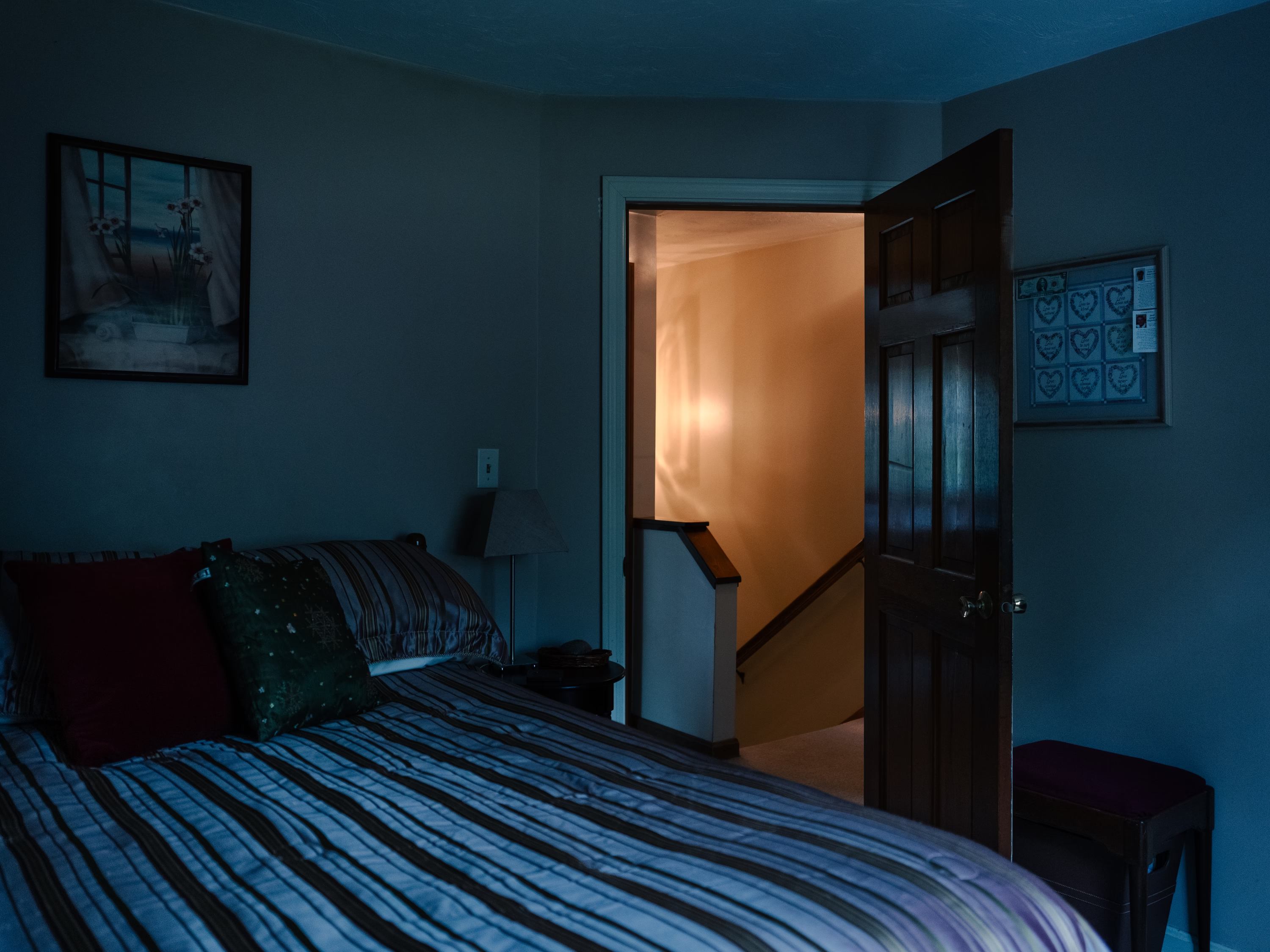
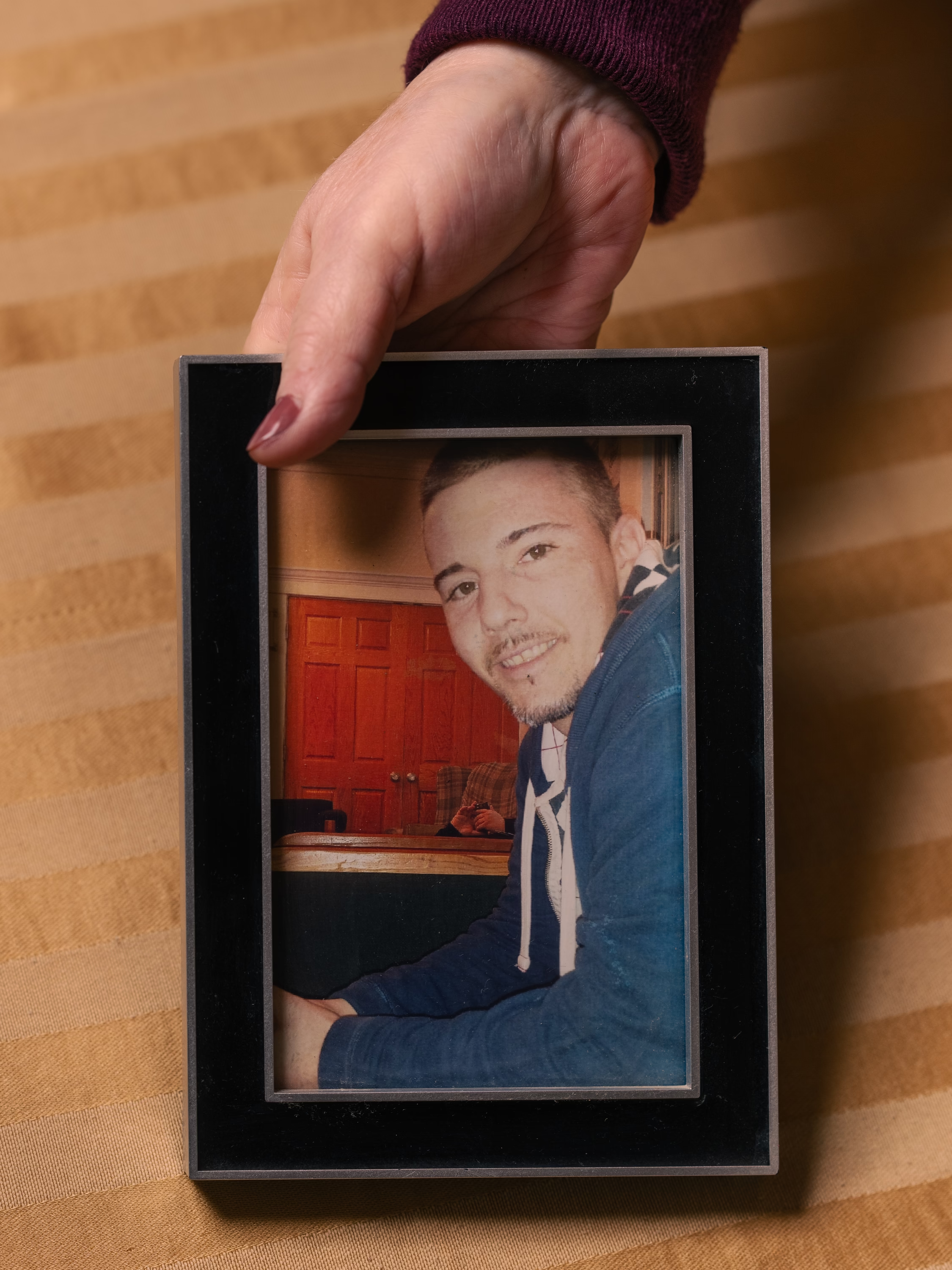
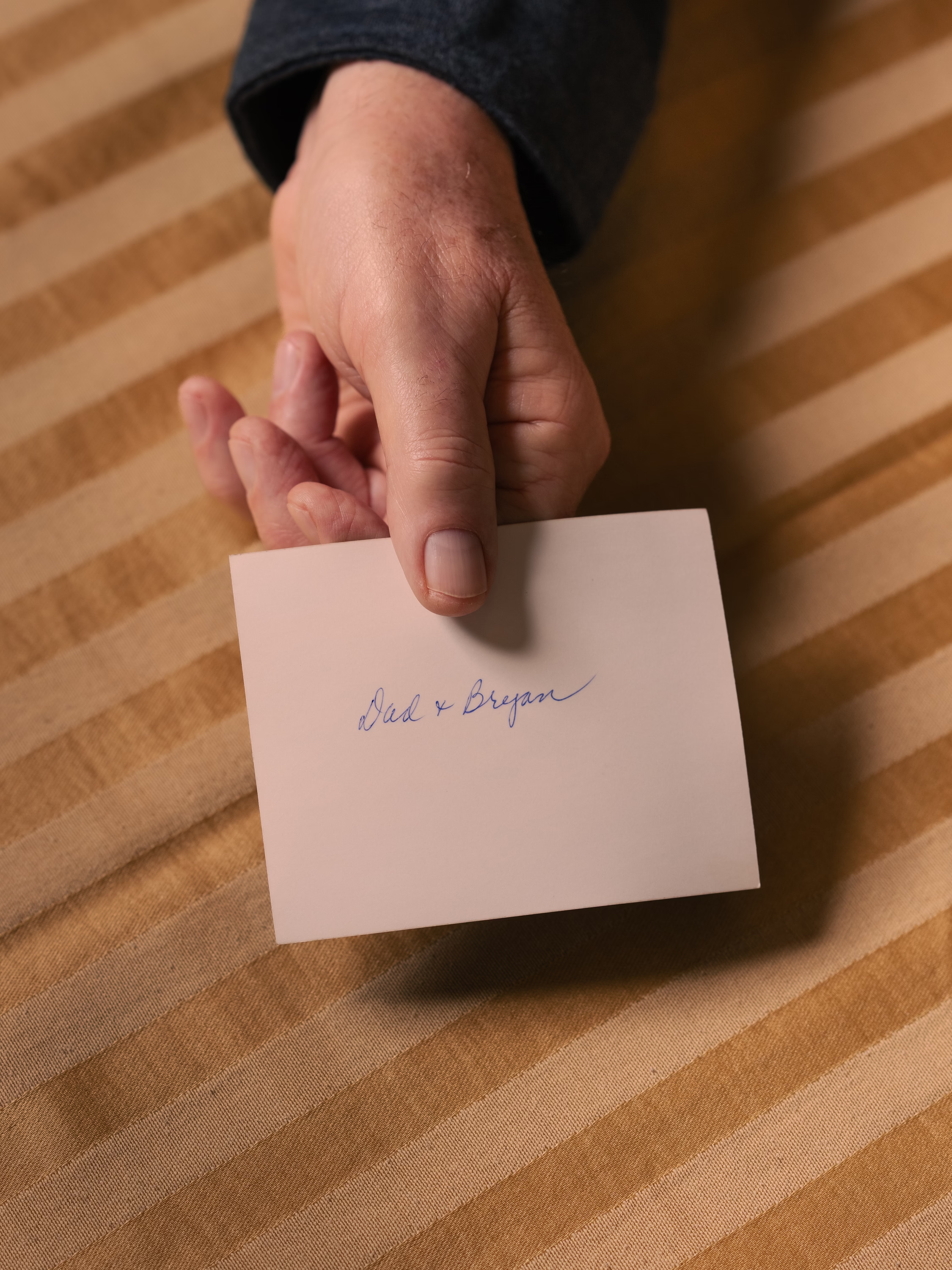
Bryan Hogan was 39 when he disappeared more than four years ago.
He had struggled with substance use since a car accident at 18, when he was prescribed morphine. He once told his mother that the first time he used cocaine it felt like home. There were stretches of sobriety before he vanished: kayaking with his sister, a family wedding, a job at a package store.
In February, after a methadone appointment in Brockton, Bryan refused to enter detox. His parents, Jan and Chris Hogan, tracked his phone as it moved to an abandoned camper in the woods off Route 28, above a river, with snow on the ground. When the signal stopped moving, his high school friends organized a search. They found the phone inside the trailer. They did not find him.
His bank accounts have gone untouched for four years. Sightings have been reported around Brockton and Mass and Cass, none confirmed.
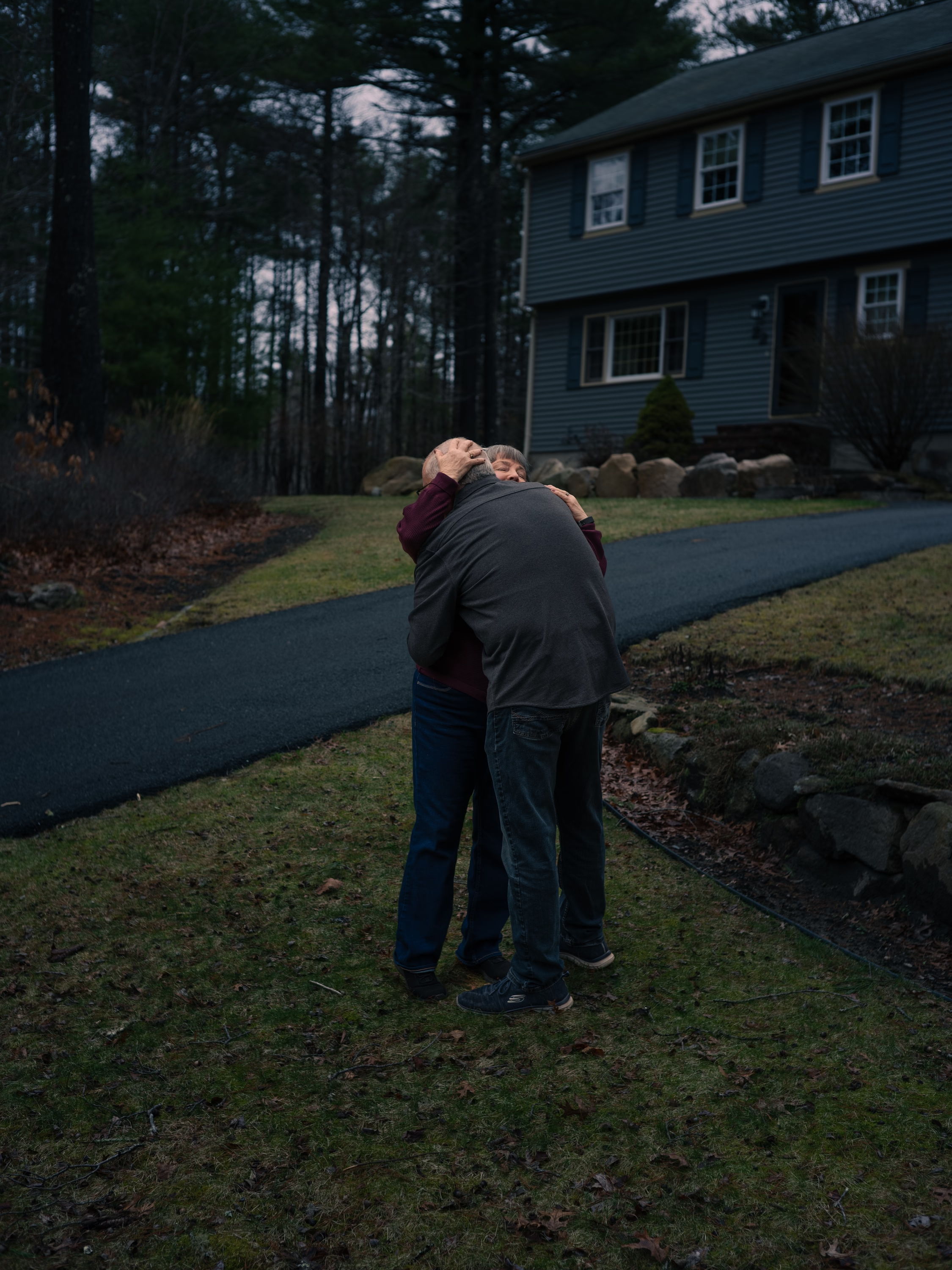
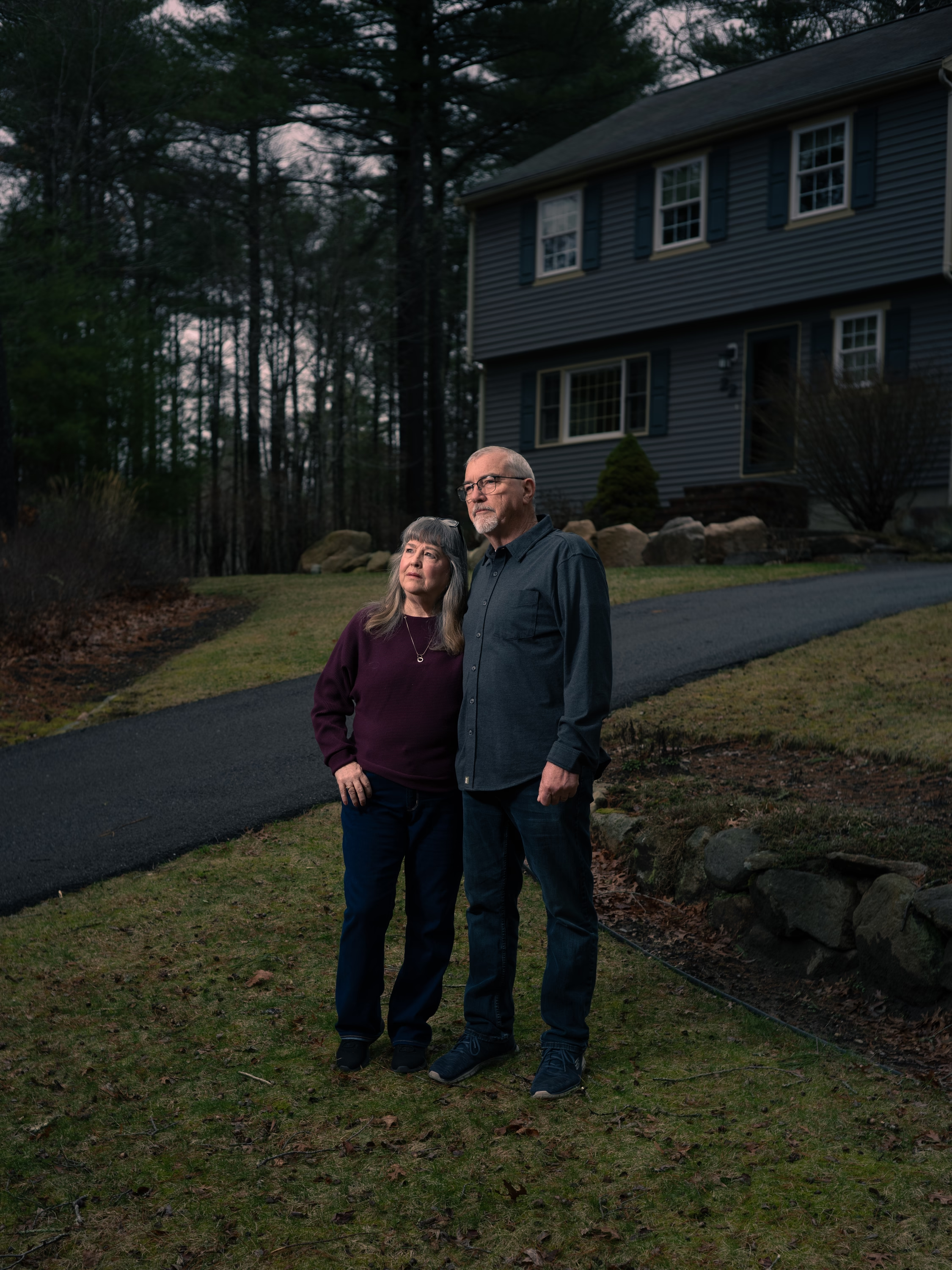
The Hogans have handed out fliers at the AHOPE needle exchange on Albany Street and belong to the Facebook group Missing on Mass Ave, where Jan posts messages to her son. They would like to downsize their house in Wareham. They have not, because, as Jan puts it, leaving would feel like an abandonment.