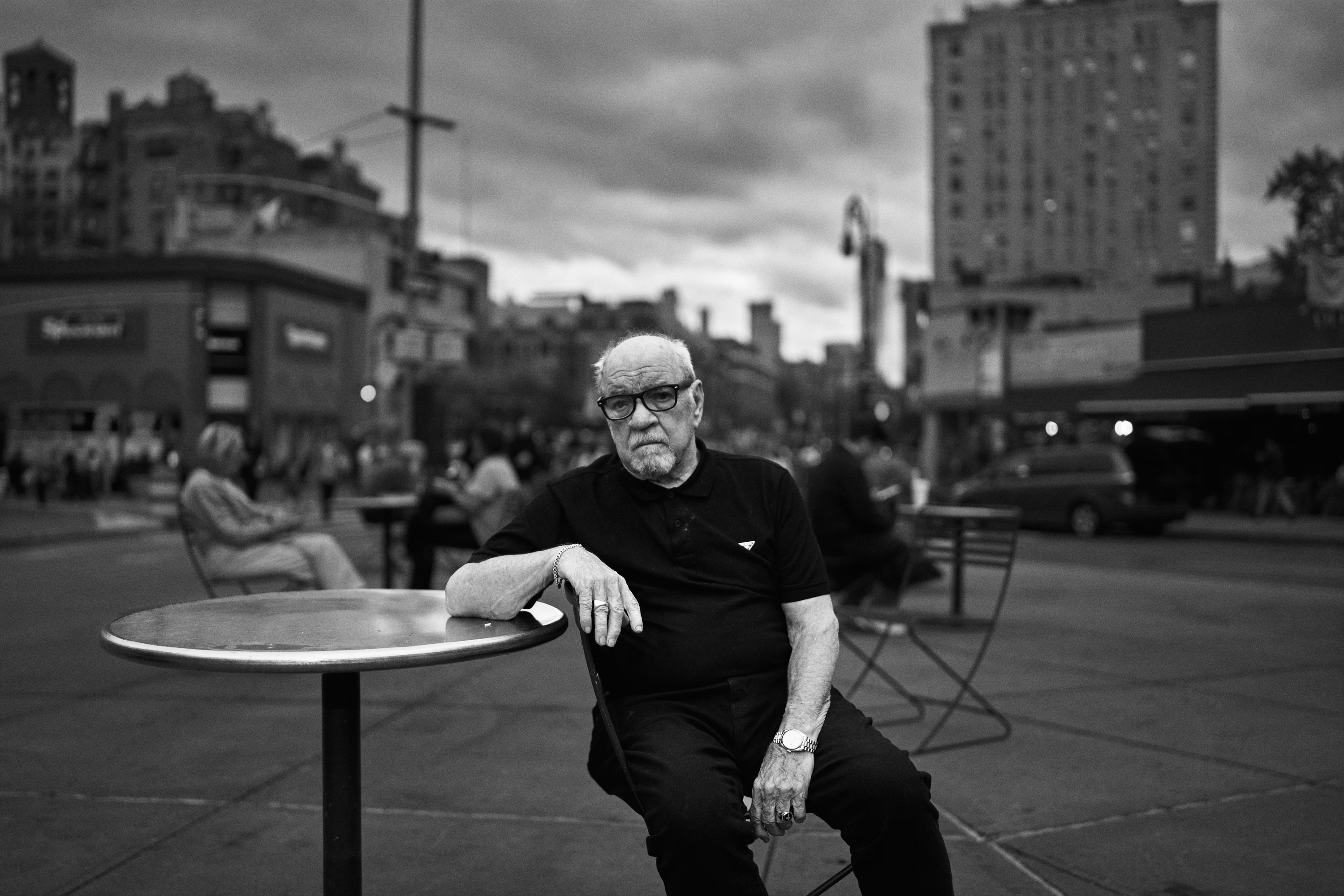
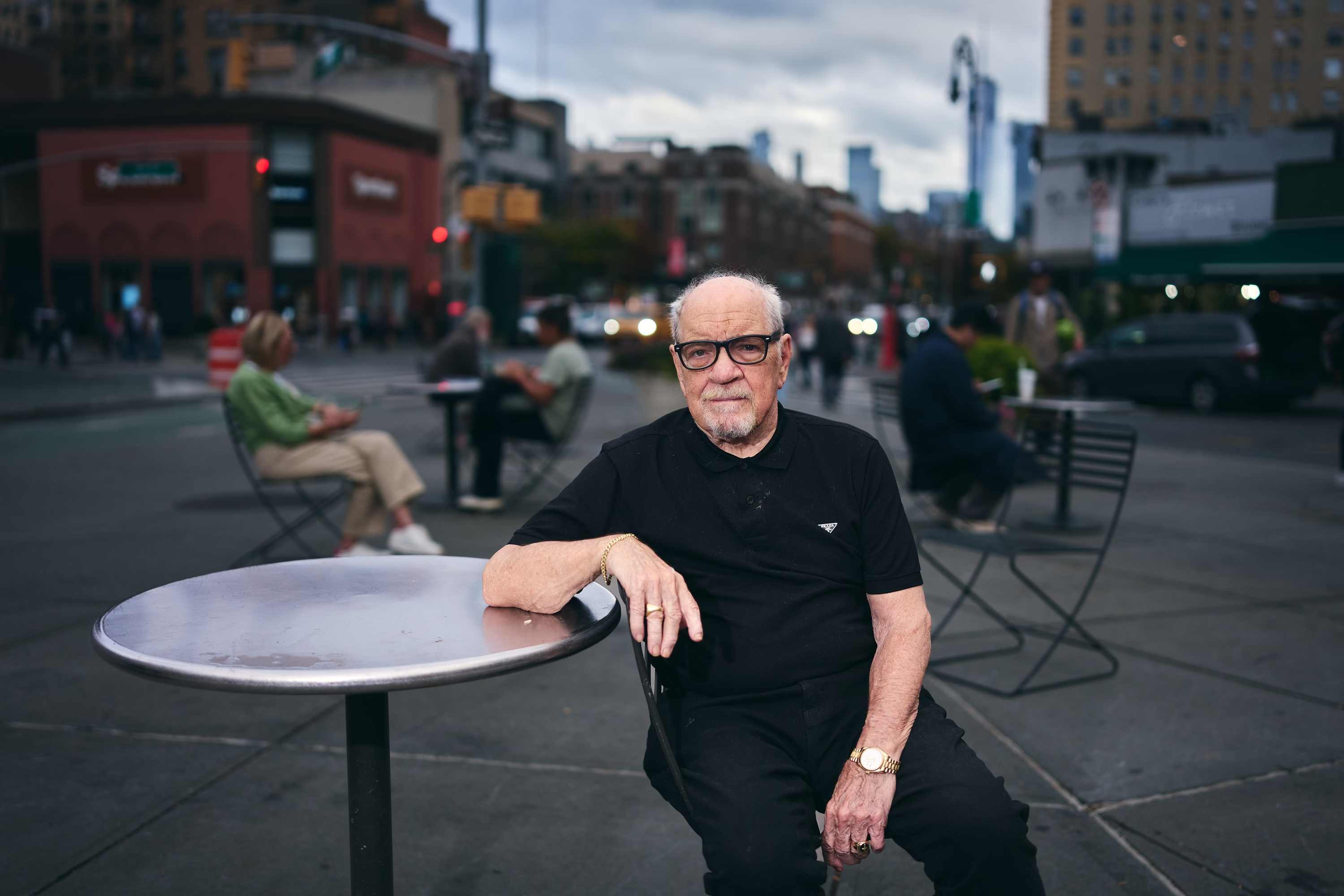
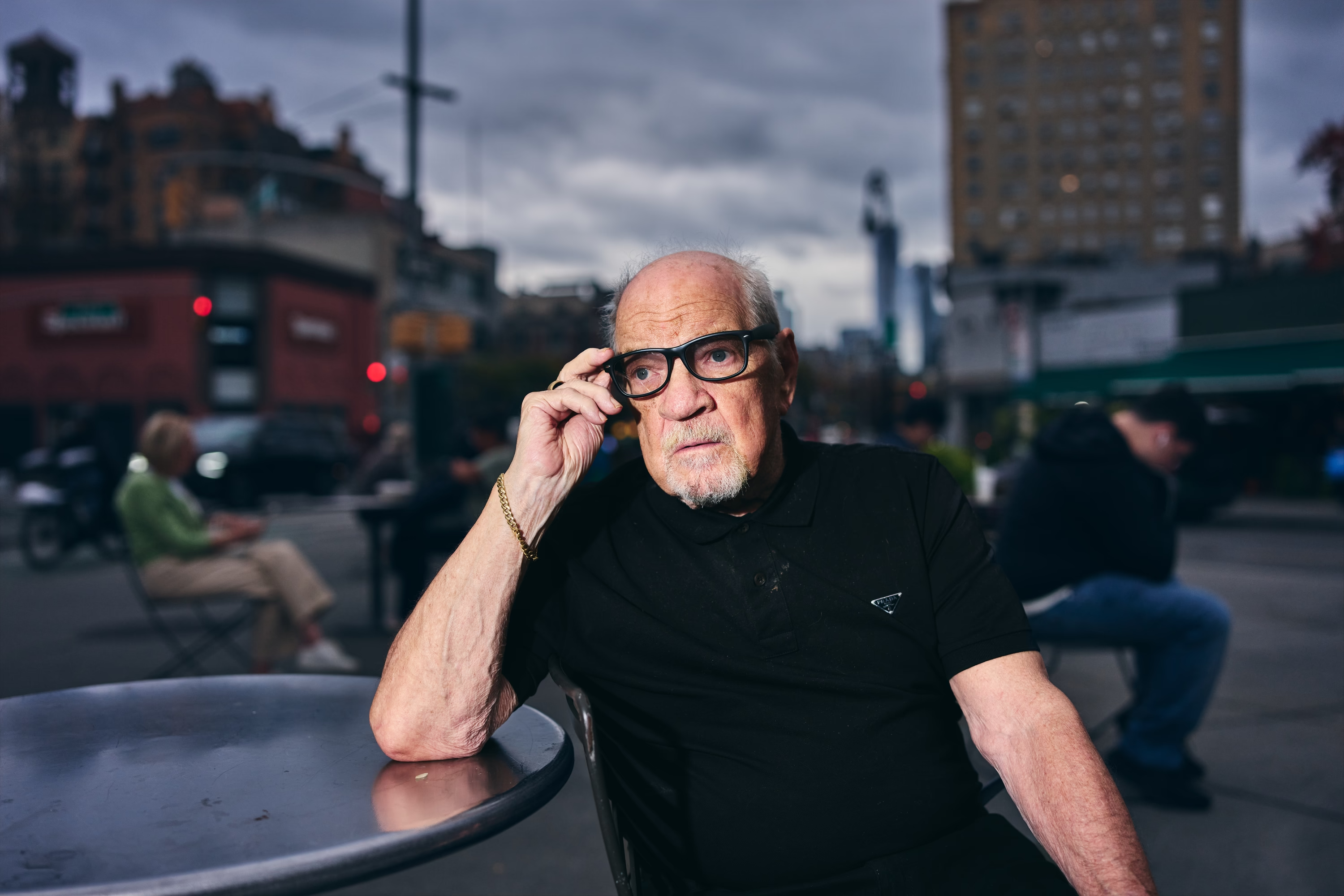
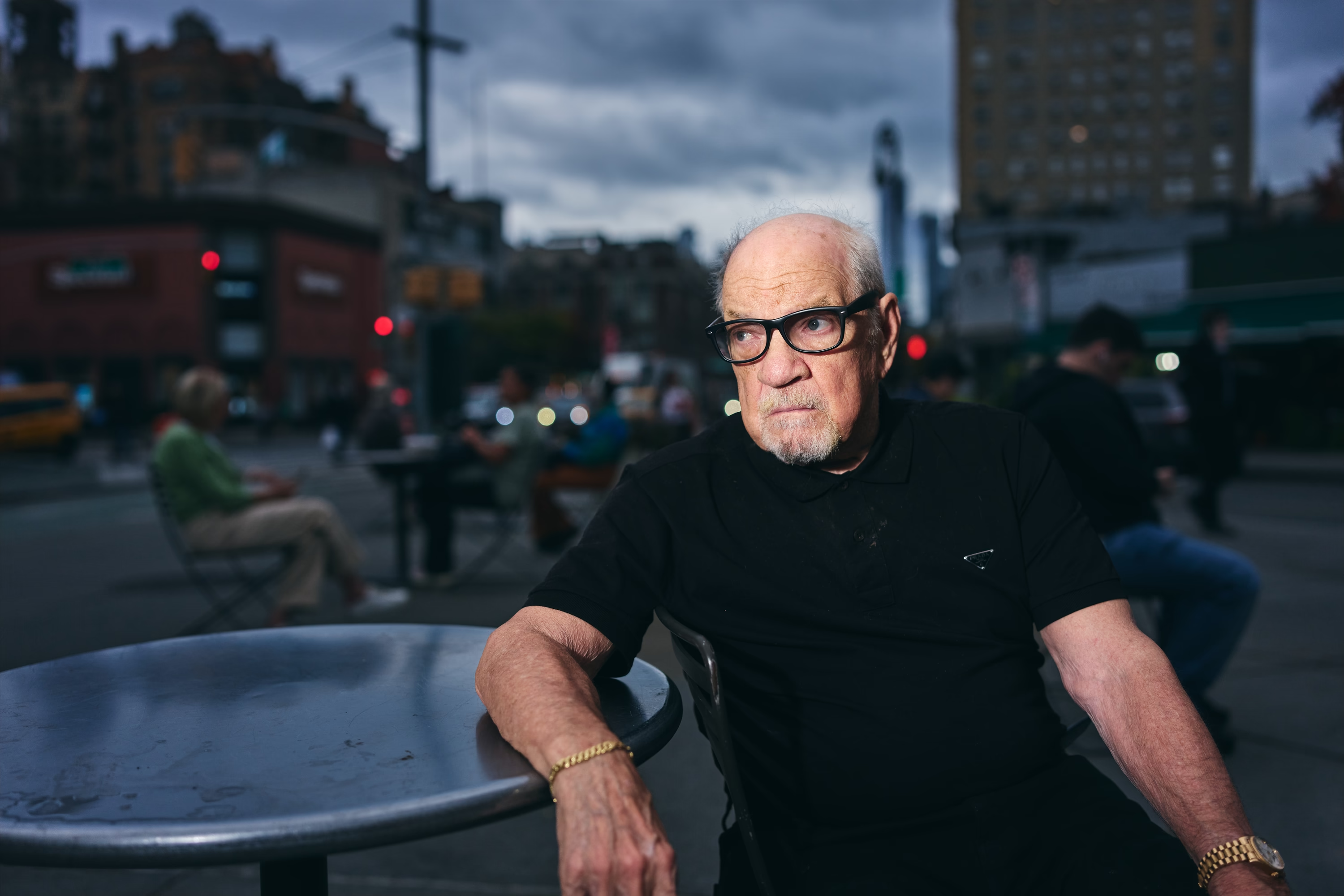
Portrait of Paul Schrader
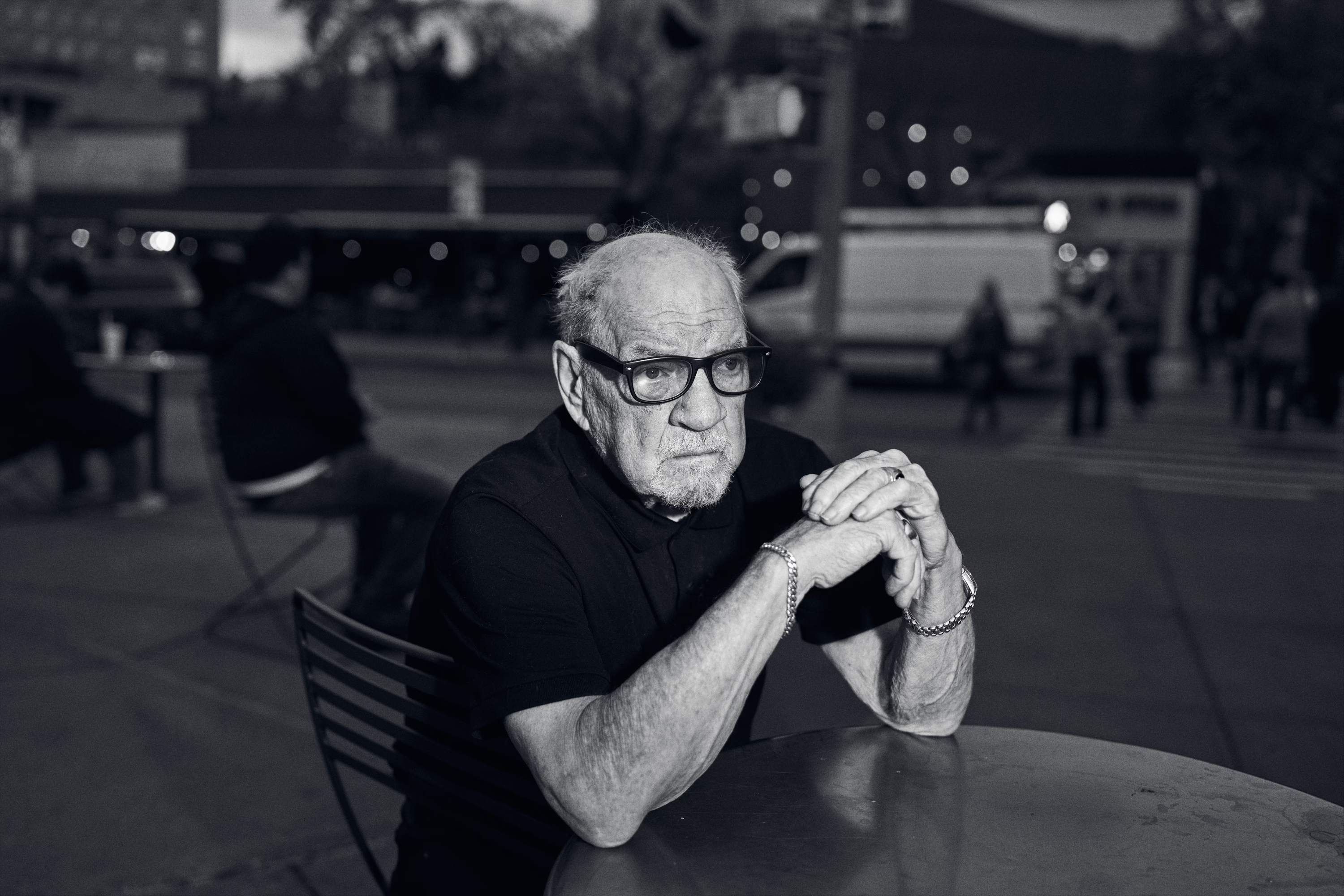
Portrait of Paul Schrader
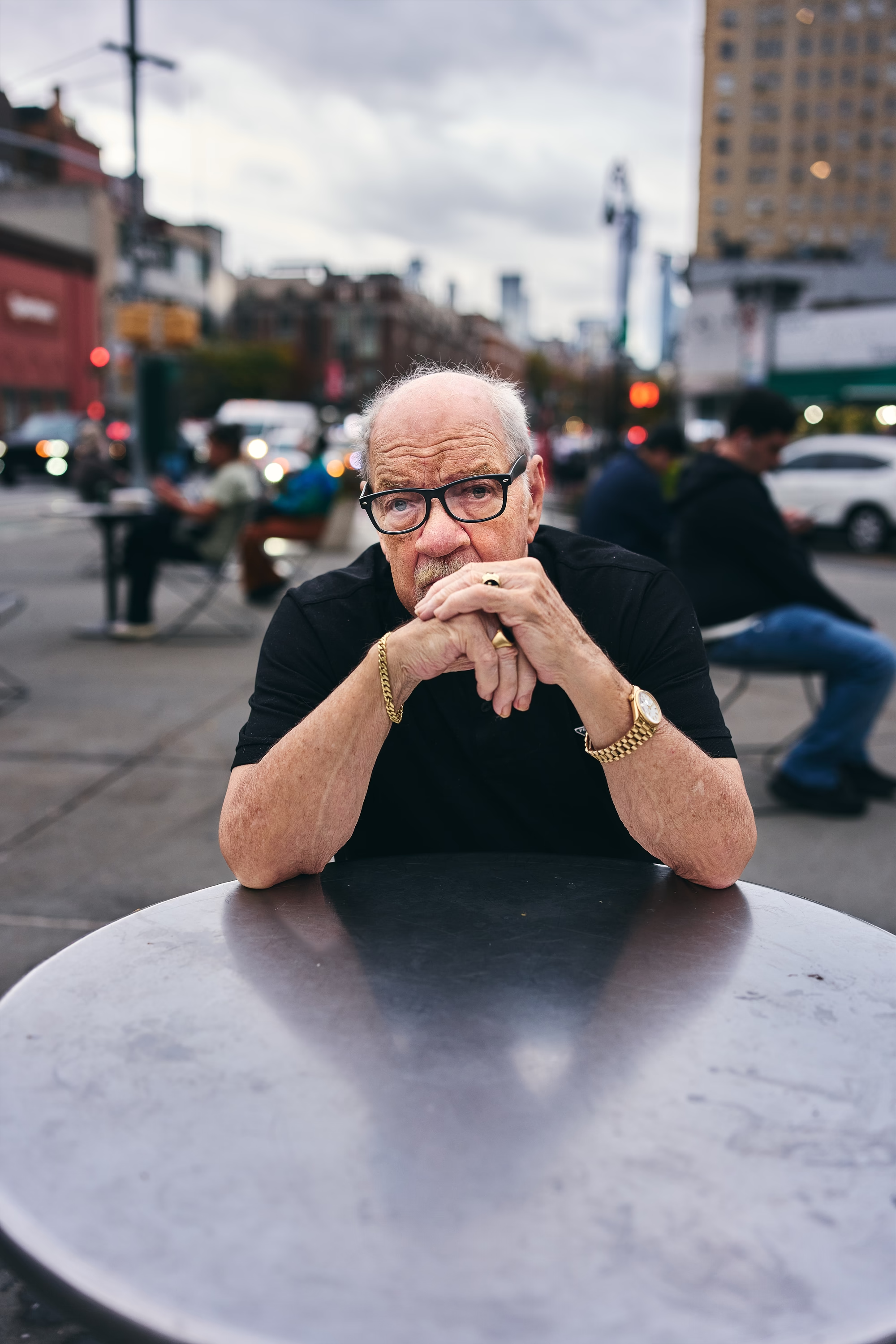
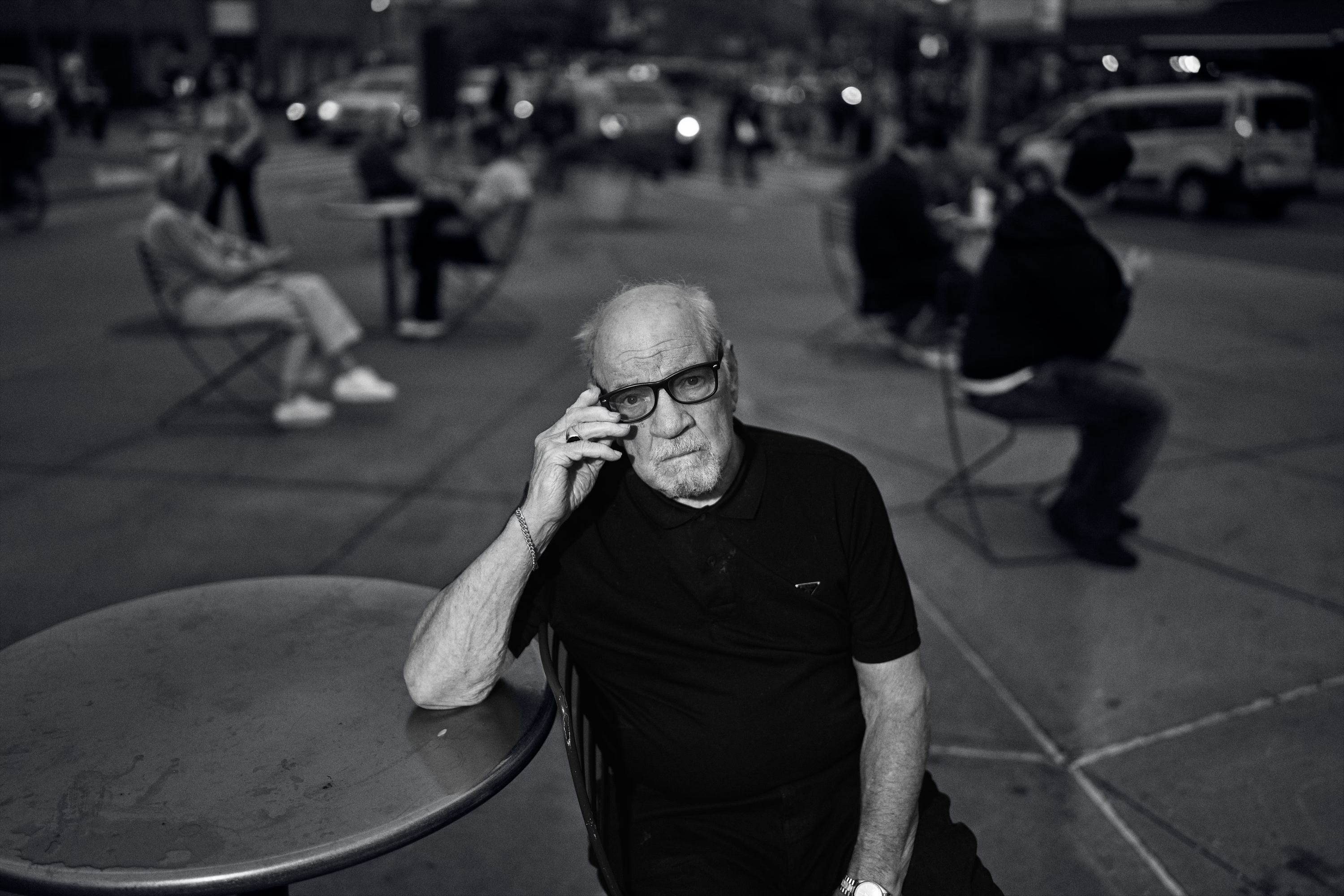
On November 5, 2026, I photographed Paul Schrader in New York for a Guardian assignment about artificial intelligence. The portraits were made before his interview with Robert Booth, the paper’s UK technology editor.
We had about ten minutes. He was tired after a podcast interview, and we had planned to walk into a garden next door. The garden was closed, so we stayed in a small triangle of concrete space and worked at his table instead. The improvised setting felt right for a filmmaker I associate so strongly with New York. Then he went on to speak with Booth.
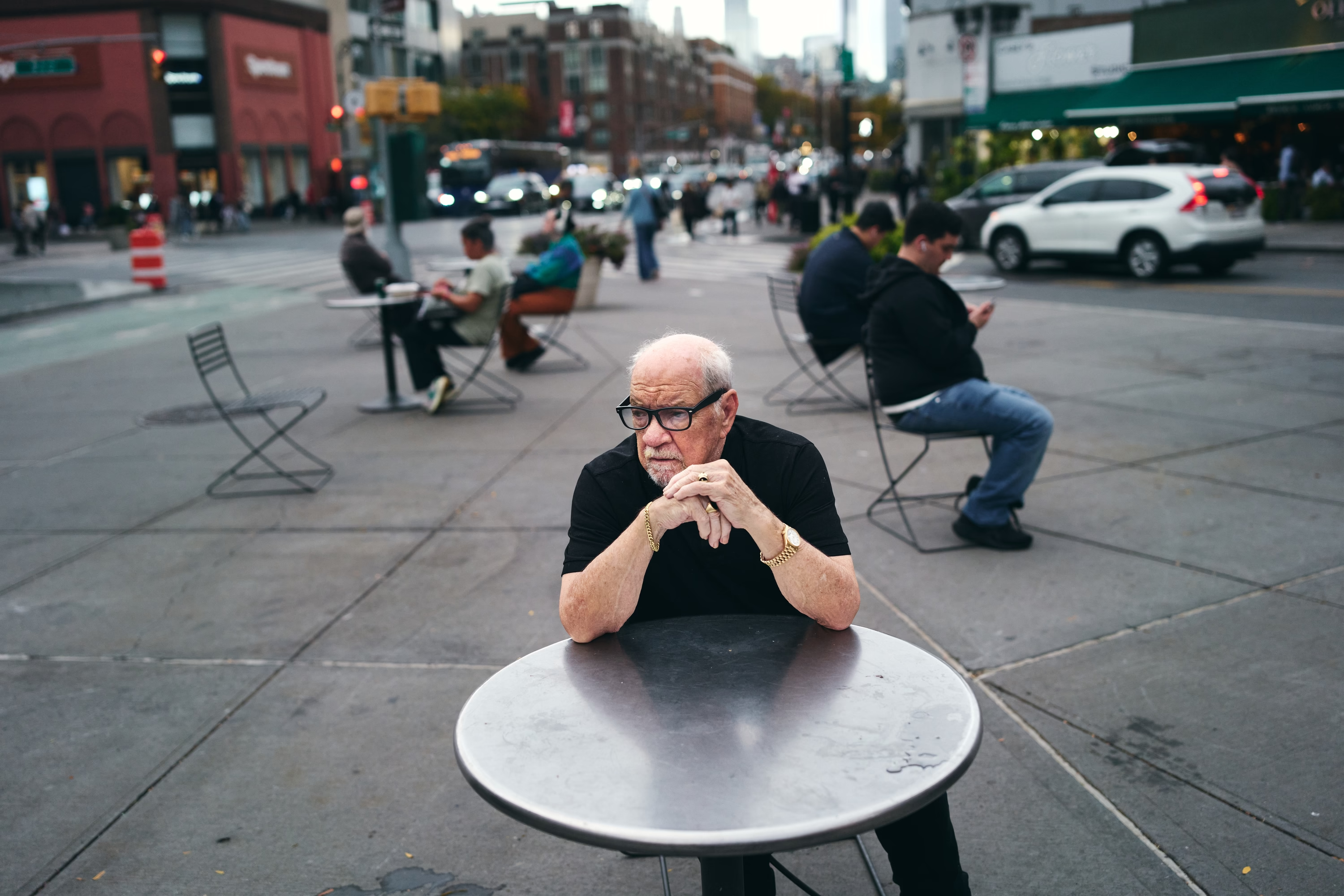
Schrader’s screenwriting and directing career stretches across five decades of American cinema. He wrote Taxi Driver and co-wrote Raging Bull for Martin Scorsese, later working with him on The Last Temptation of Christ and Bringing Out the Dead. As a director, his films include American Gigolo, Mishima, Affliction and First Reformed.
That connection with New York goes beyond the city’s appearance in Taxi Driver. In a 1976 conversation with Studs Terkel, Schrader described the film as a study of a personality coming apart. The taxi was his central metaphor: a man surrounded by people, carrying strangers through the city, yet increasingly cut off from everyone around him. He traced that idea to a period of isolation in his own life, before the screenplay gave it a form.
Before those screenplays, Schrader was a film critic. His Transcendental Style in Film: Ozu, Bresson, Dreyer, first published in 1972, examined how three directors from different cultures used cinematic restraint to express spiritual experience. The book looks at what spare camerawork, controlled performances and restrained editing can do. In 2018, he returned to it with a new introduction that considered the development of slow cinema.
First Reformed brought those early interests together with the troubled, solitary protagonists of his screenplays. Ethan Hawke plays a minister whose crisis of faith becomes entangled with environmental despair. In a 2018 BFI interview, Schrader said he could see the concerns of his first book and Taxi Driver beginning to converge. The film’s still compositions and narrow Academy frame were deliberate choices. He had initially wanted to shoot in black and white, but a delivery requirement prevented it.
He also described a practical change behind that film: newer technology let him complete the shoot in 20 days, rather than the 42 he thought it would have needed earlier in his career. He said the shorter shoot made the film a more responsible investment. Questions about filmmaking tools were already part of his thinking well before this Guardian commission.
His public comments about AI have extended that interest into more contentious territory. In an October 2025 interview with Vanity Fair, he said he would consider making a film with AI. He compared shaping a digitally generated face and its expression with the choices an author makes when describing a character’s response.