Julianna Rae · Burlington, Massachusetts · February 27, 2025

Where the tariffs land
For The New York Times

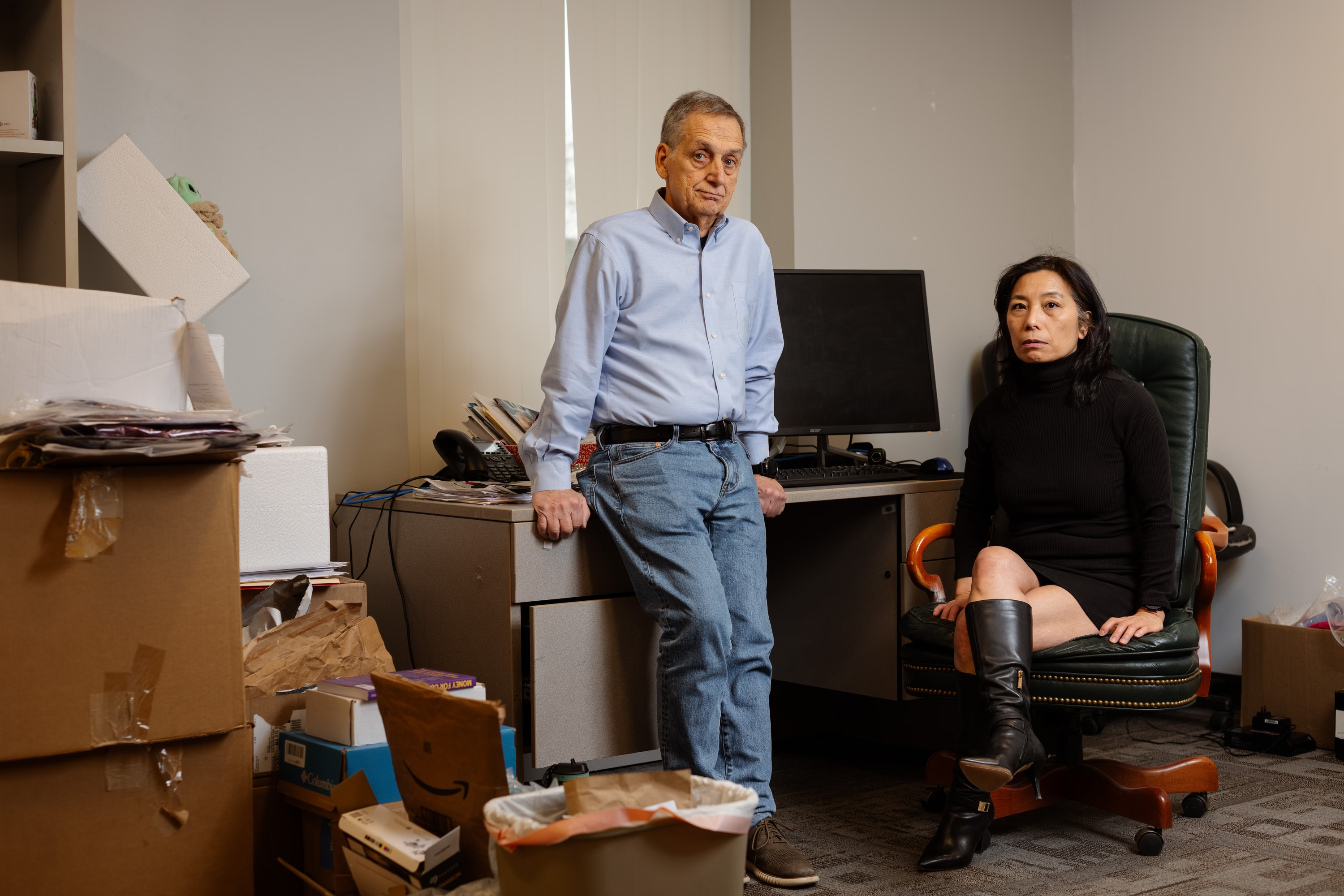
Bill Keefe and Juli Lee pose beside an office desk surrounded by papers and open cartons.
Keefe and Lee pose beside an office desk surrounded by paperwork, packaged garments and cartons at Julianna Rae. The New York Times reported on March 1, 2025, that they were weighing how to manage the new costs of importing their products from China.

At Julianna Rae in Burlington, Massachusetts, Bill Keefe and Juli Lee design silk robes, pajamas and nightgowns that are manufactured in China. These photographs were made on February 27, 2025, for The New York Times. In the paper’s March 1 report, a new 10 percent tariff on Chinese imports had left the company weighing difficult choices about shipments, suppliers and prices.

The company had brought in a large amount of inventory before the tariffs took effect, in preparation for Christmas and Valentine’s Day demand. Lee was considering delaying later shipments in case the tariff policy changed. But waiting carried risks: customers could be left without products, while suppliers in China would have to hold inventory longer. Lee had worked with those suppliers for more than a decade. “The uncertainty is really hard on both sides,” she told The Times.
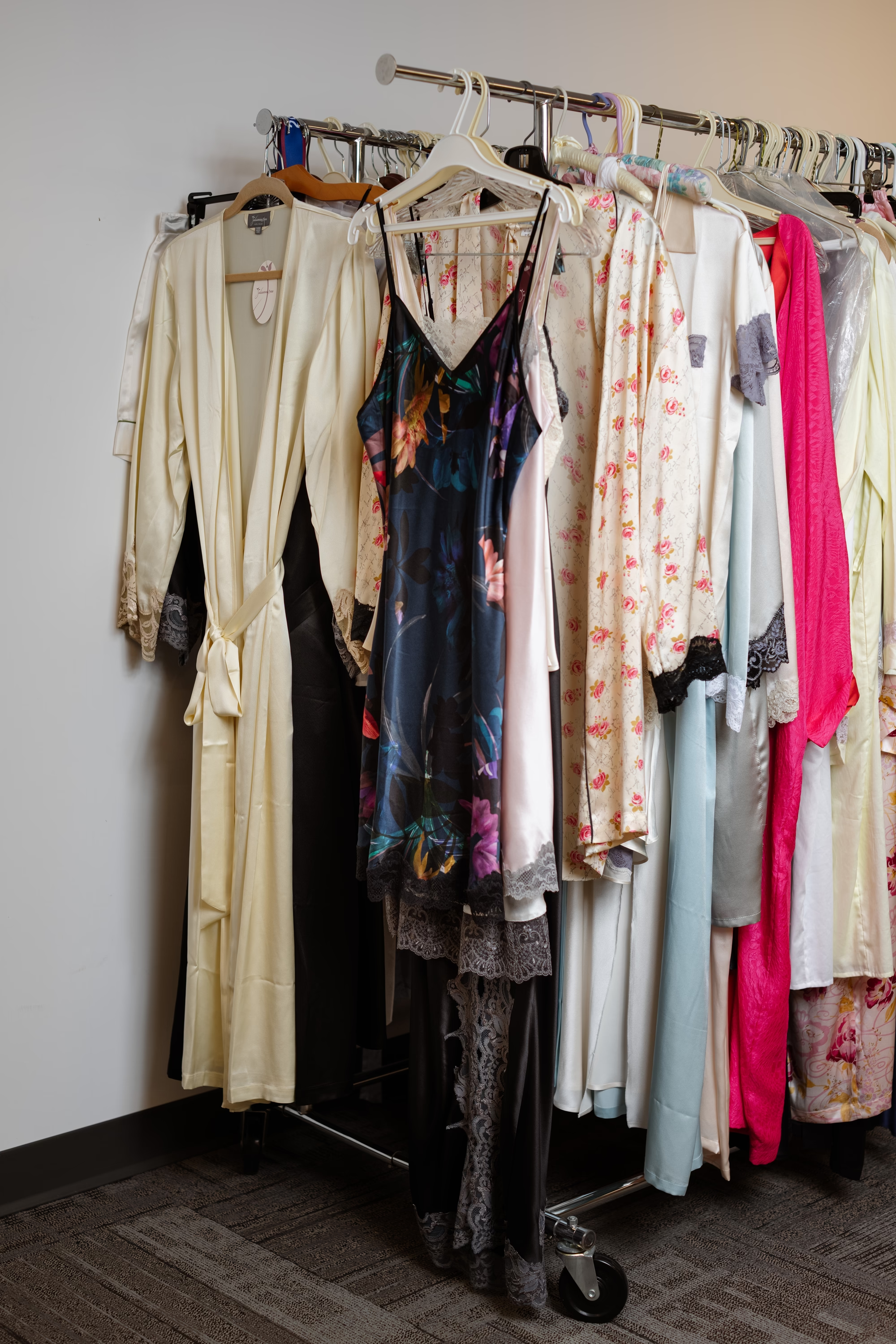
Robes and sleepwear in cream, floral, blue and pink fabrics hang on a rolling rack.
Robes and other sleepwear hang on a rolling rack at Julianna Rae, including floral prints, lace trim and bright pink fabric. The company designs high-end silk sleepwear for sale through its website and Amazon.

Higher prices were another possibility. Keefe told The Times that a popular silk pajama set priced at $300 might rise by $15. Moving production was no easy alternative. Although silk manufacturing facilities existed in other countries, Keefe said China offered the strongest combination of machinery, expertise, quality and price. The company’s dependence on China involved specialized manufacturing capabilities as well as the cost of making its garments.

Julianna Rae’s choices reflected a wider problem in the paper’s reporting from nearly 100 companies importing from China. American businesses were shouldering the tariff costs, and many expected to pass at least part of the expense on to customers. Domestic factories could be difficult to find, while rebuilding a supply chain elsewhere required time and money. For businesses considering a move, the possibility of tariffs on another country made that investment harder to plan.

Julianna Rae is one of those medium-sized businesses that has a niche and knows its customers.
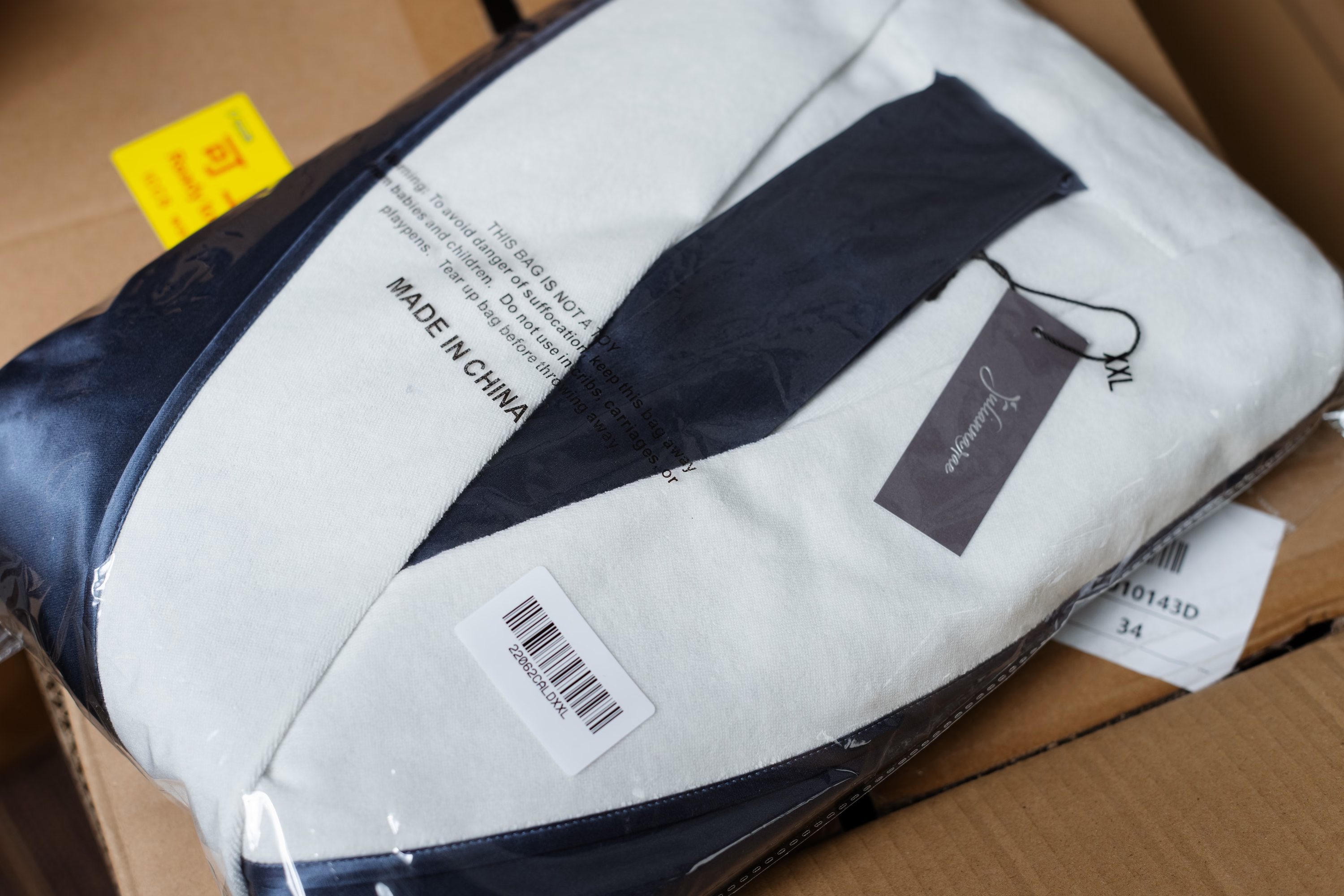
A garment package inside a carton bears the words Made in China.
A packaged Julianna Rae garment is marked “Made in China,” with the brand’s hangtag visible through the plastic. The country-of-origin label points to the manufacturing relationship at the center of the March 2025 tariff story.

“The best machinery, the best expertise, the ability to produce quality goods at a good price is located in China.”

Bill Keefe, Julianna Rae
The New York Times · March 1, 2025
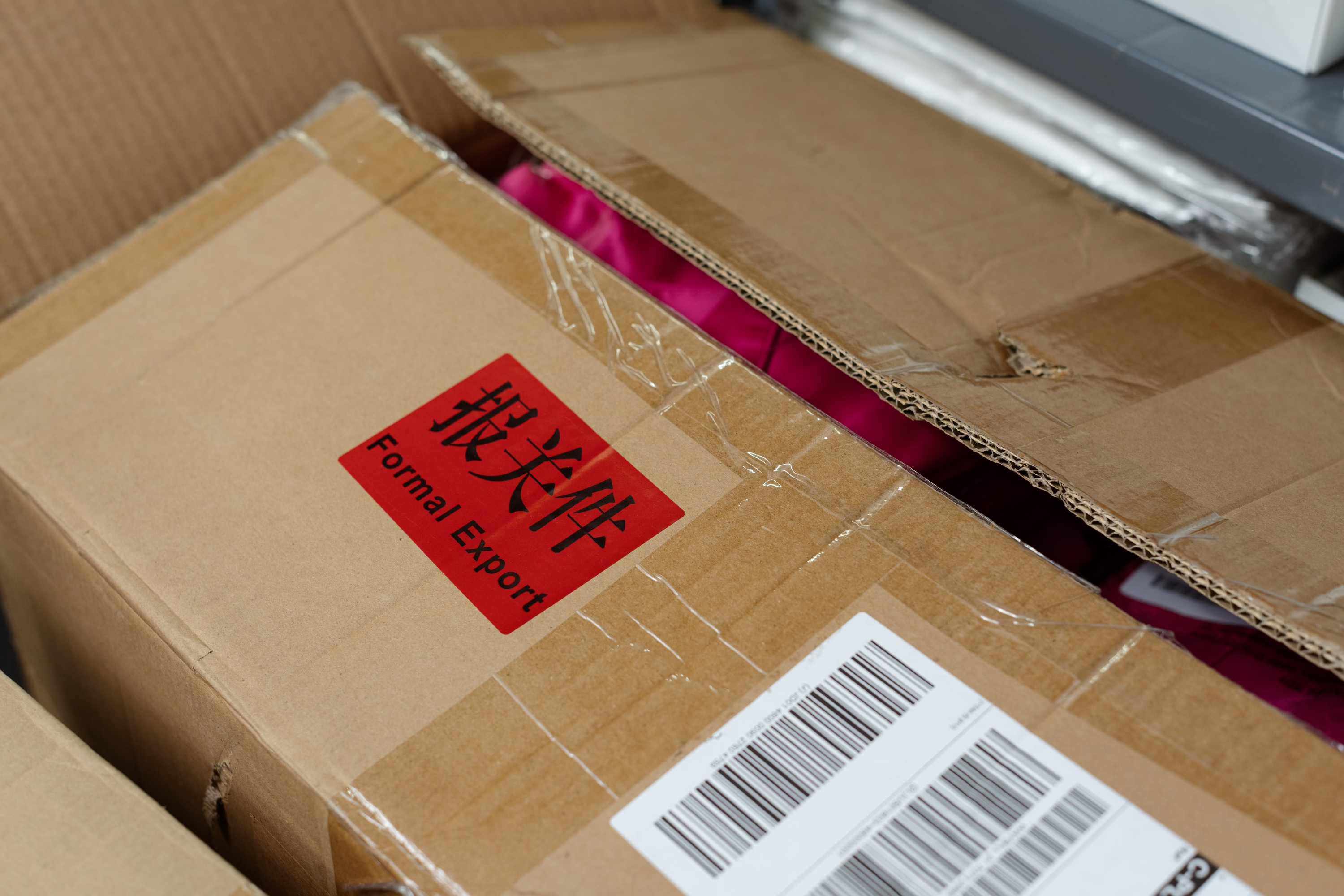
A red Formal Export label is attached to an open carton containing pink fabric.
A red “Formal Export” label is attached to a carton with pink fabric visible beneath its open flaps. The box was photographed at Julianna Rae’s Burlington premises during the February 27, 2025, assignment.
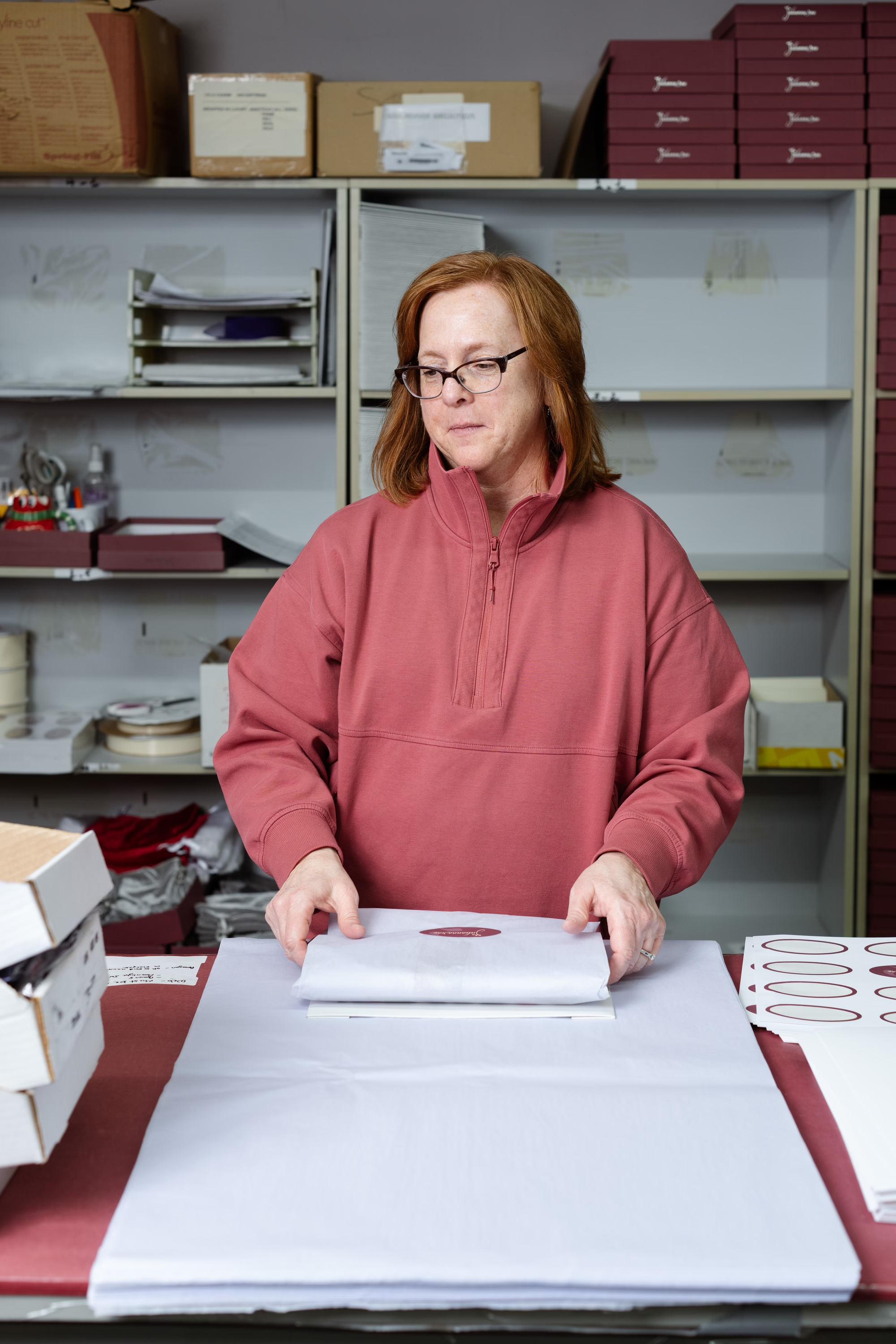
A worker in a pink pullover folds white tissue around a garment at a packing table.
A worker wraps a garment in tissue at a packing table, with burgundy Julianna Rae boxes stacked behind the table. The photograph shows packaging work at the company’s Burlington premises on February 27, 2025.
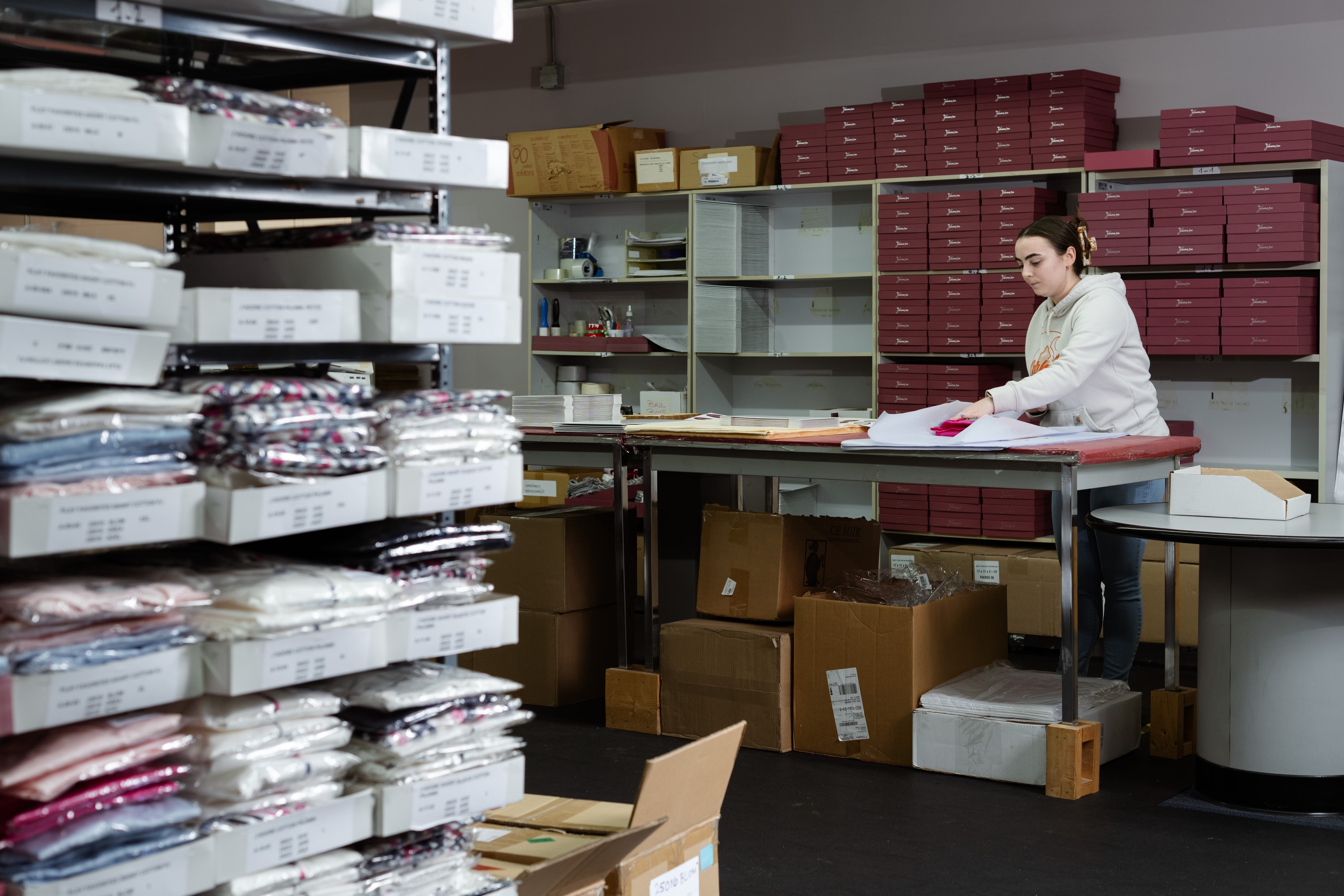
A worker folds tissue around bright pink sleepwear beside stocked shelves and stacks of burgundy boxes.
A worker wraps bright pink sleepwear in tissue beside shelves of packaged inventory and stacks of branded boxes. Julianna Rae imports its finished garments from China and sells them to customers in the United States.
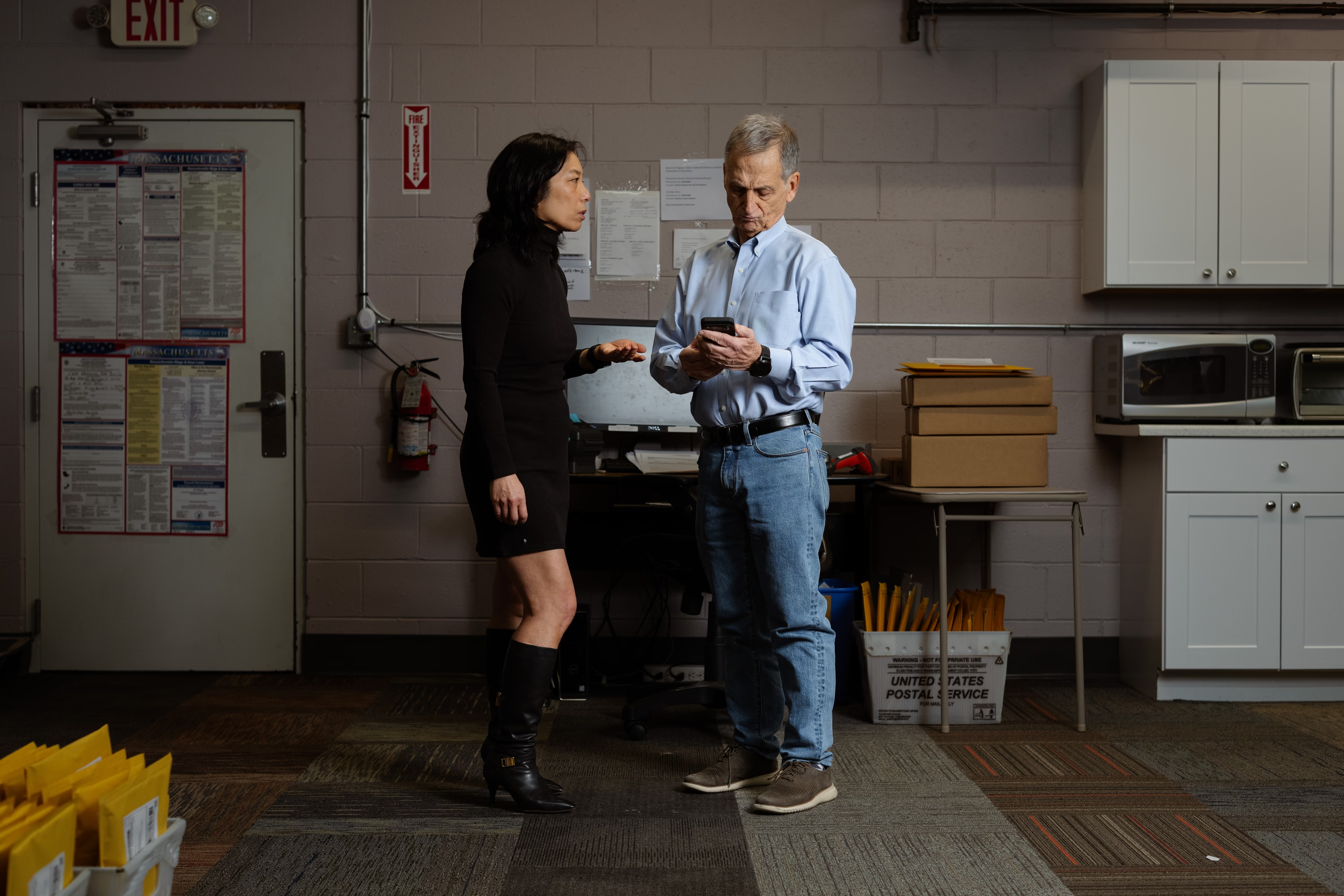
Juli Lee gestures beside Bill Keefe as he looks at a phone in the back workspace.
Juli Lee gestures beside Bill Keefe as he looks at a phone in the back workspace at Julianna Rae. The candid moment was photographed in Burlington, Massachusetts, on February 27, 2025, for The New York Times.

Related NYT assignment: What keeps the boats afloat.