A Night at Niblo’s Garden · Brooklyn · July 16–17, 2026
Photographing the Bindlestiff Circus at Green-Wood
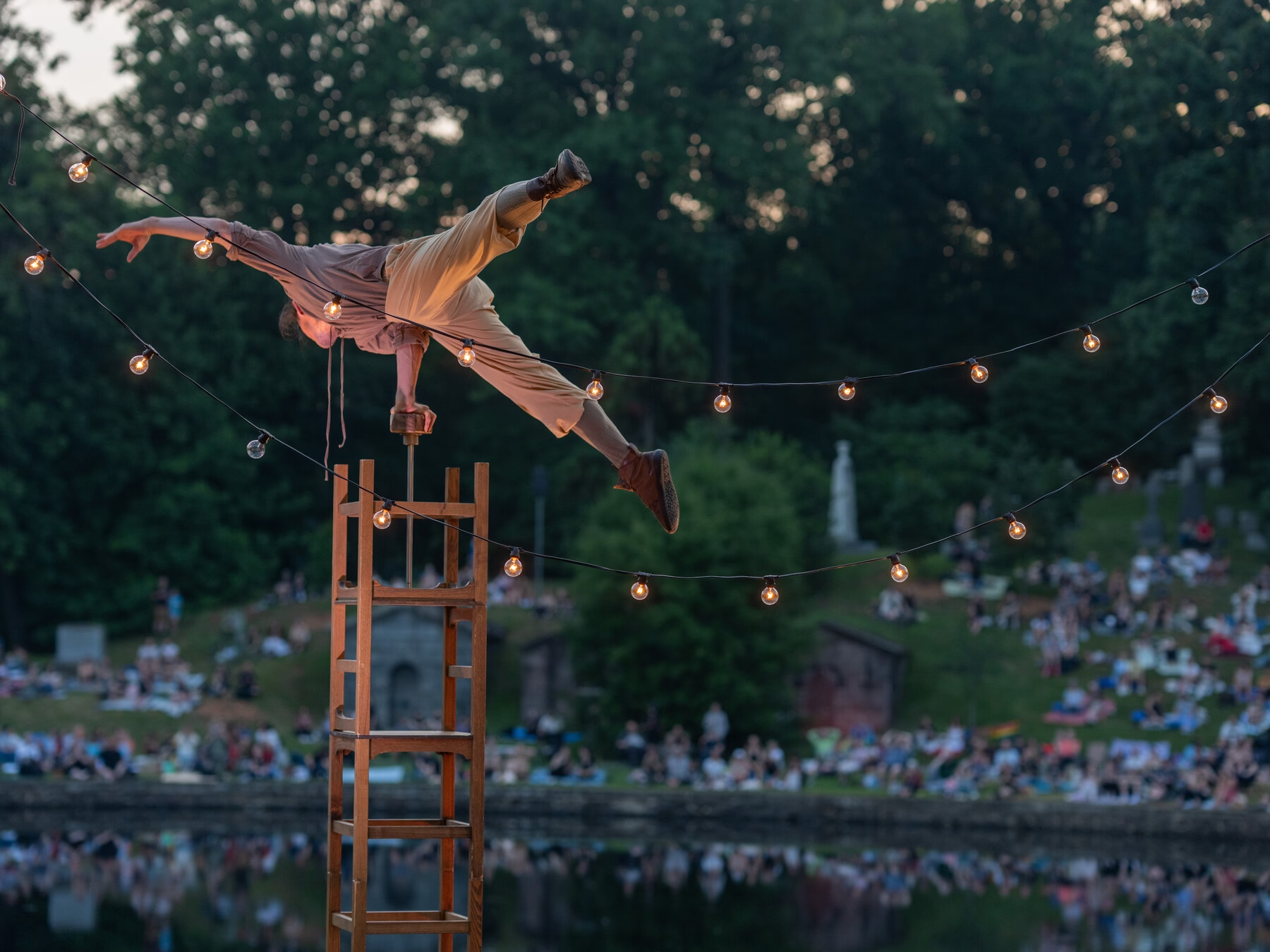
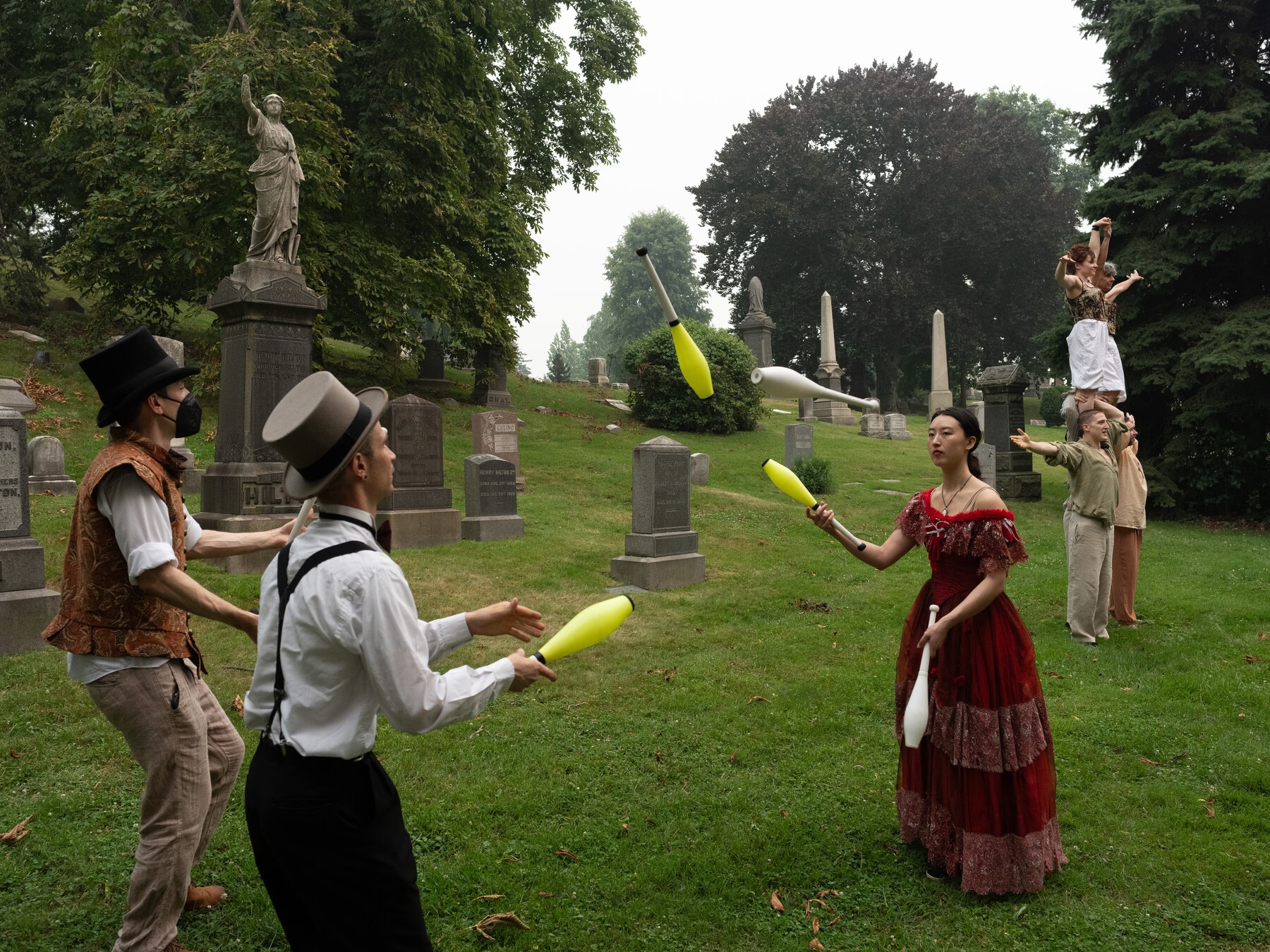
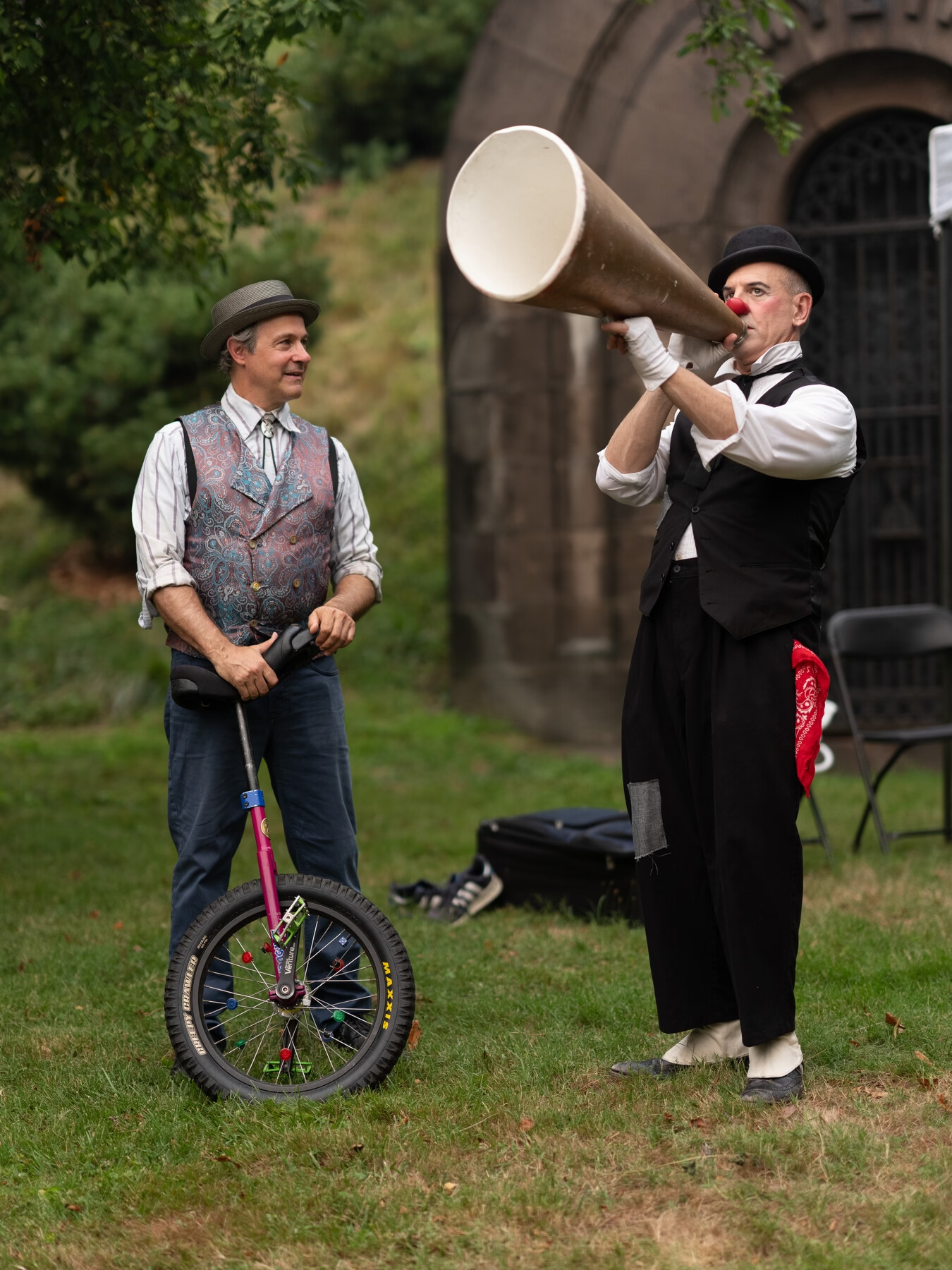
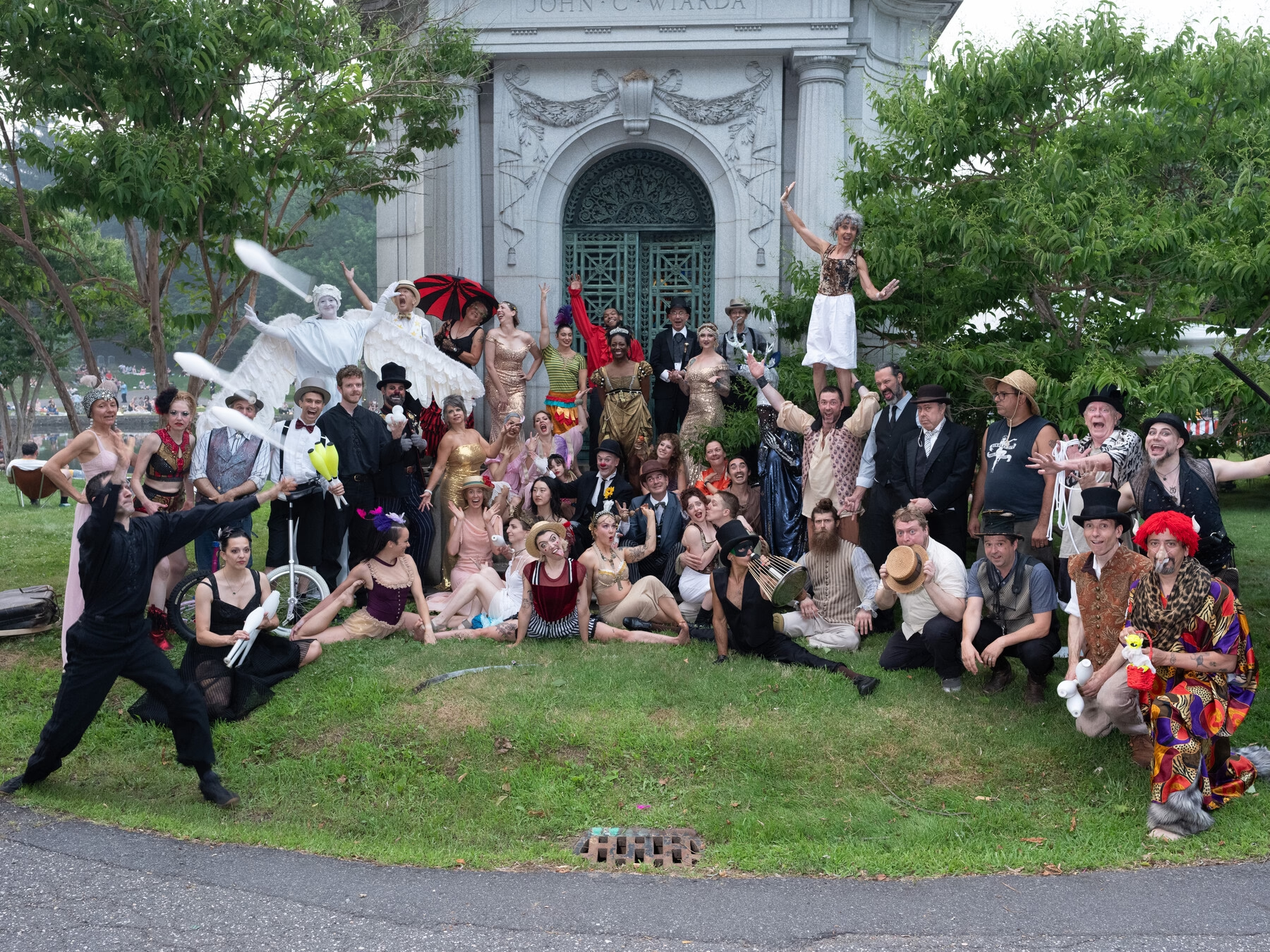
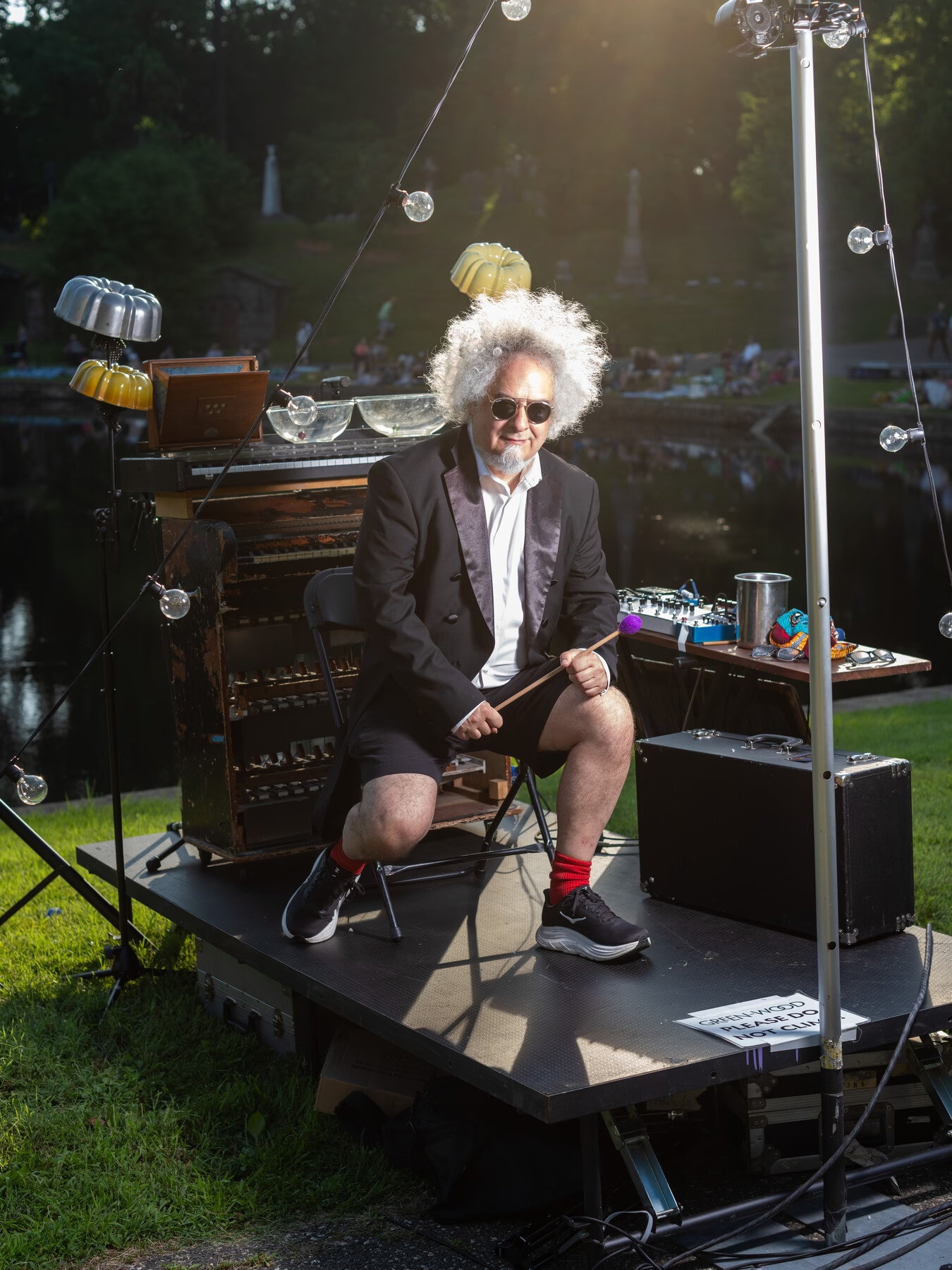
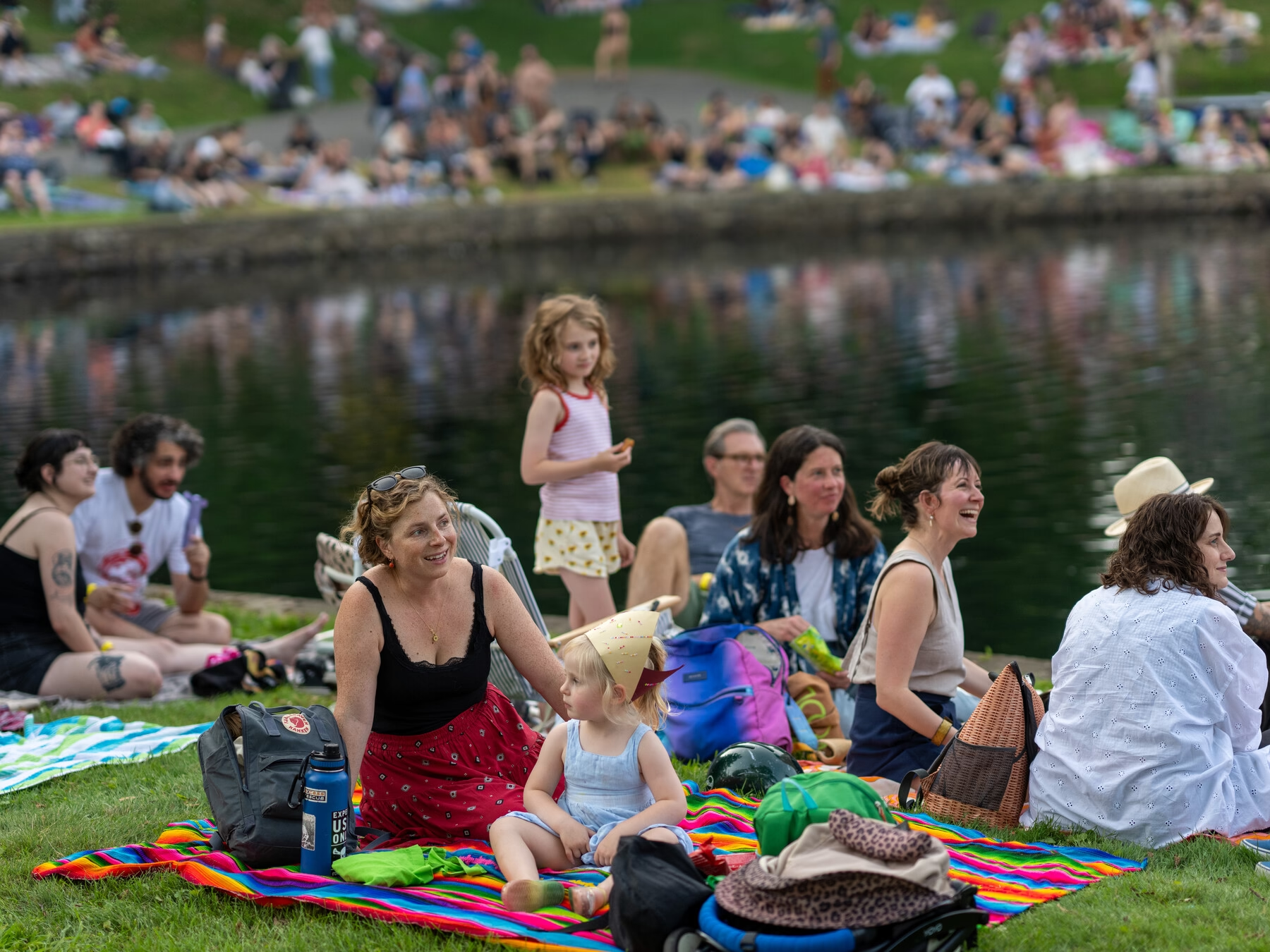
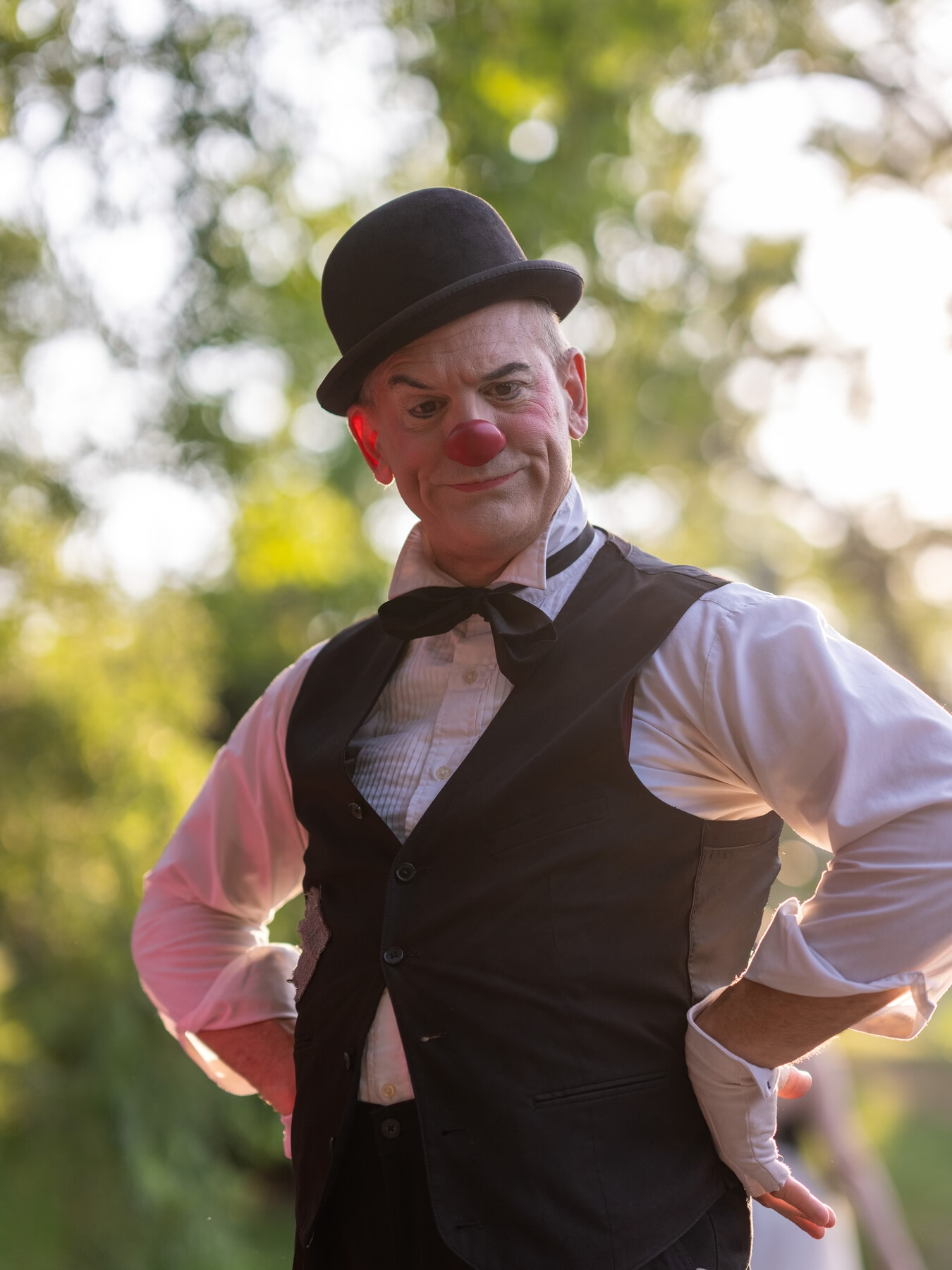
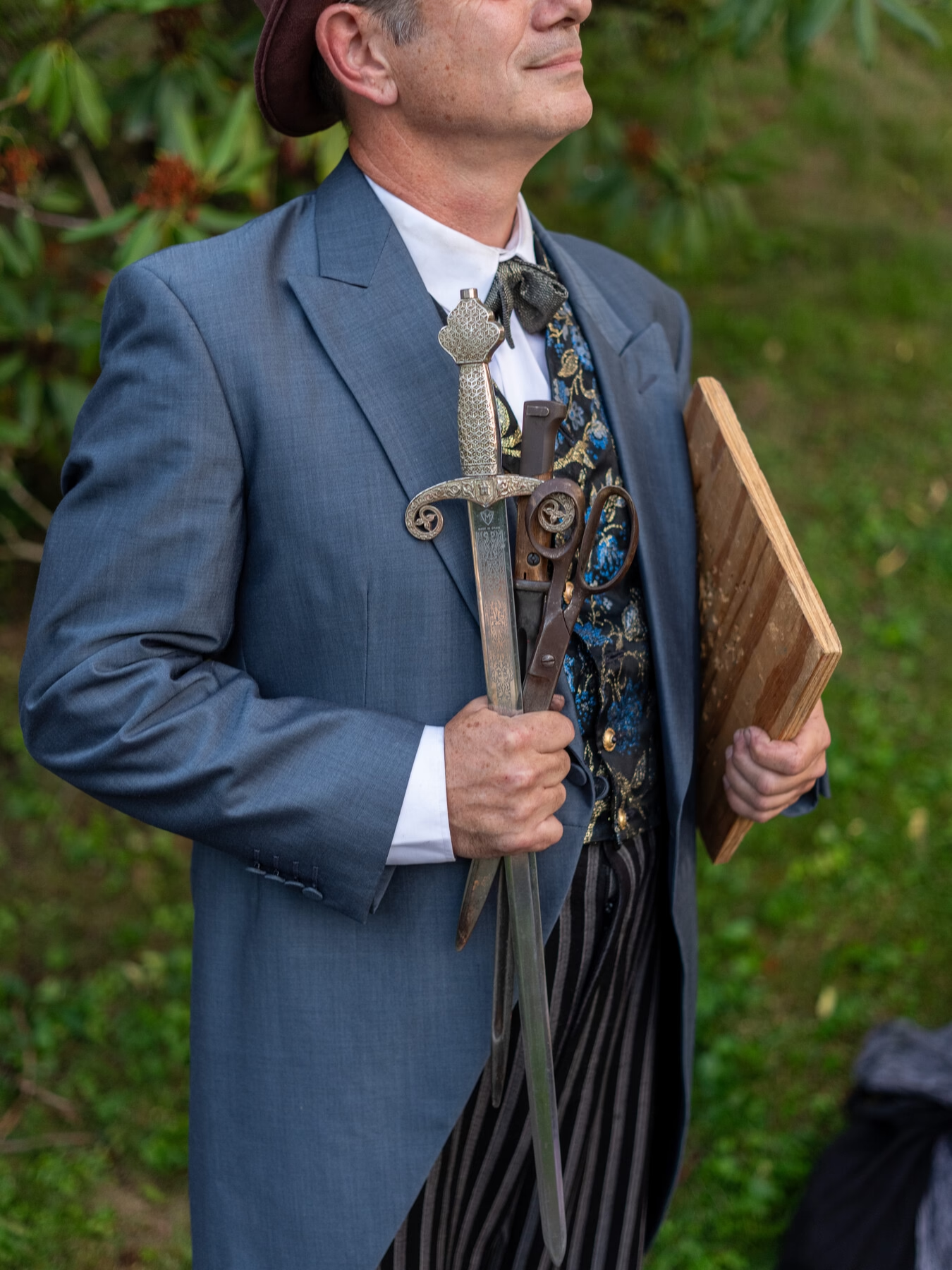
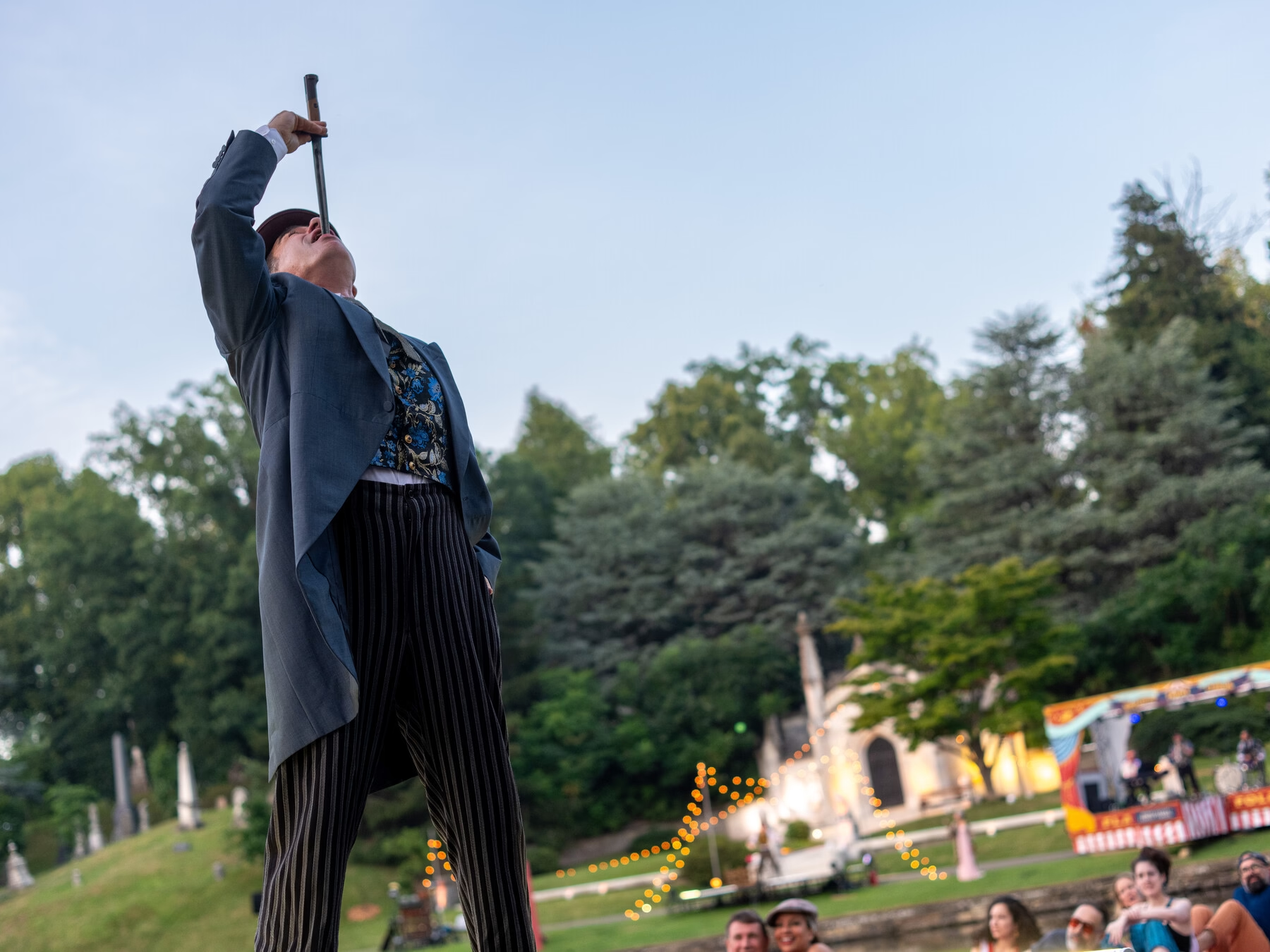
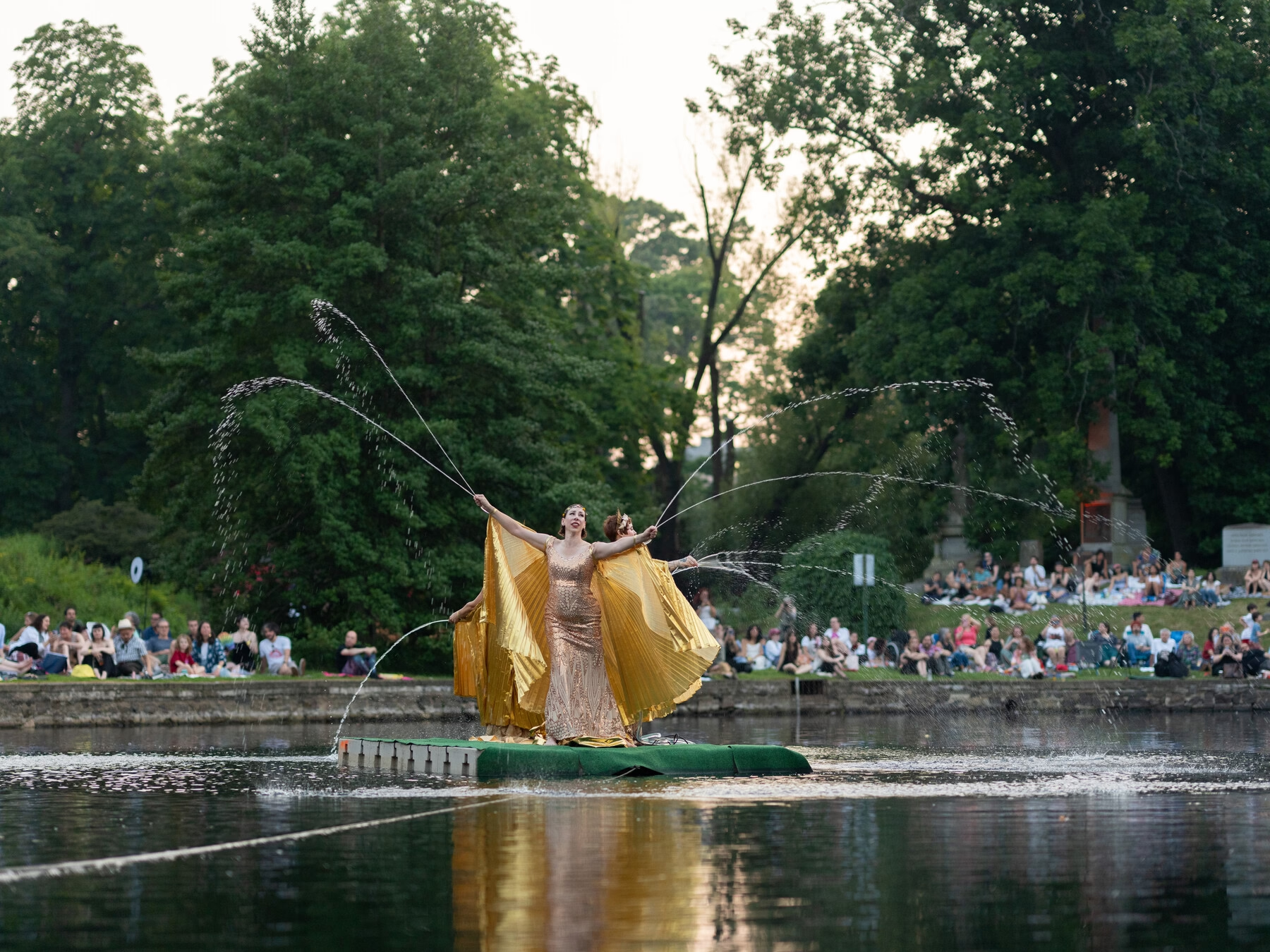
For two evenings in July, I photographed Bindlestiff Family Cirkus at Green-Wood’s A Night at Niblo’s Garden. Founded by Keith Nelson and Stephanie Monseu in 1995, Bindlestiff brings together circus, sideshow, and vaudeville. I got to watch these performers work the crowd, swallow swords, and create majestic scenes—while trying to keep photographing through my own awe.
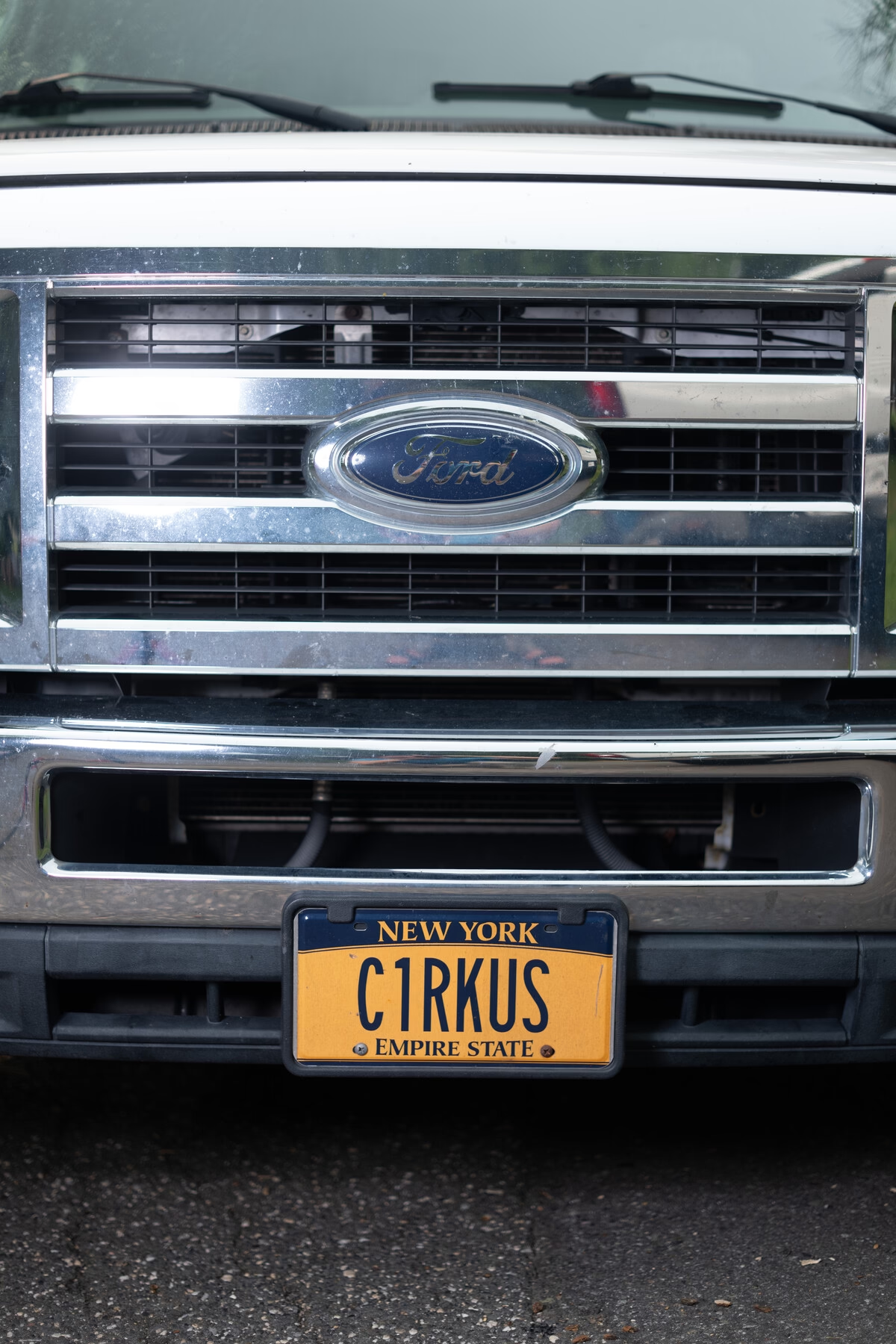
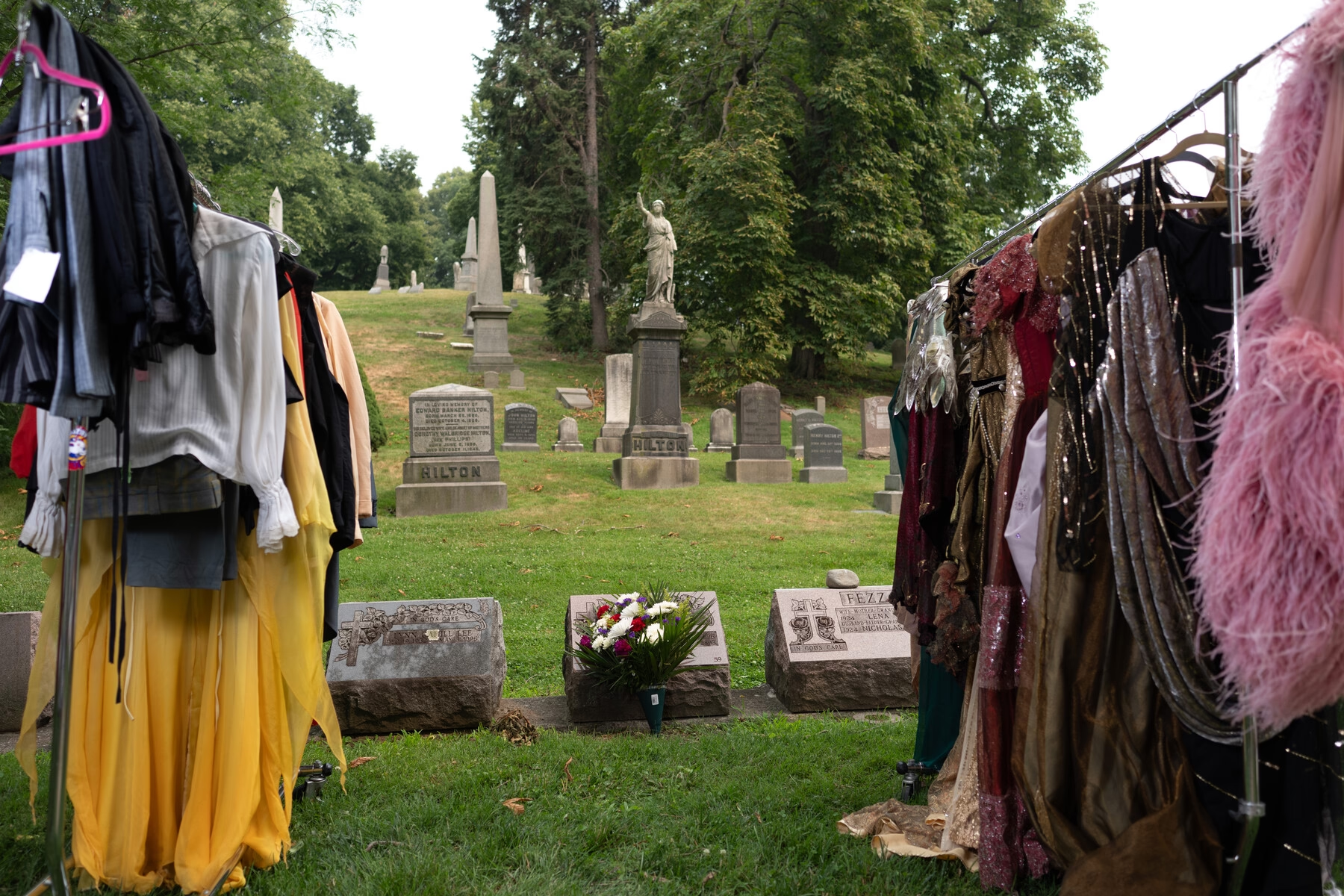
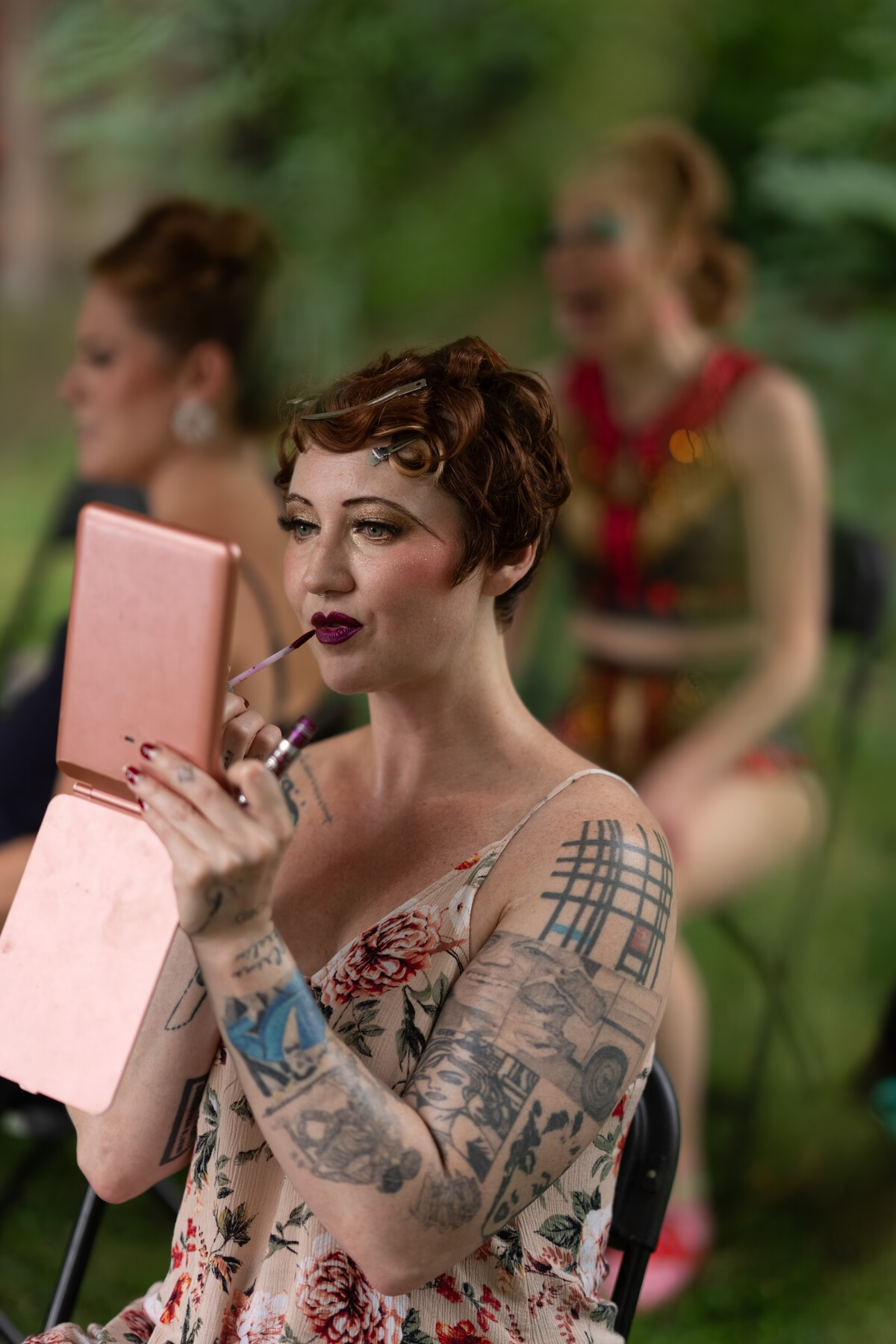
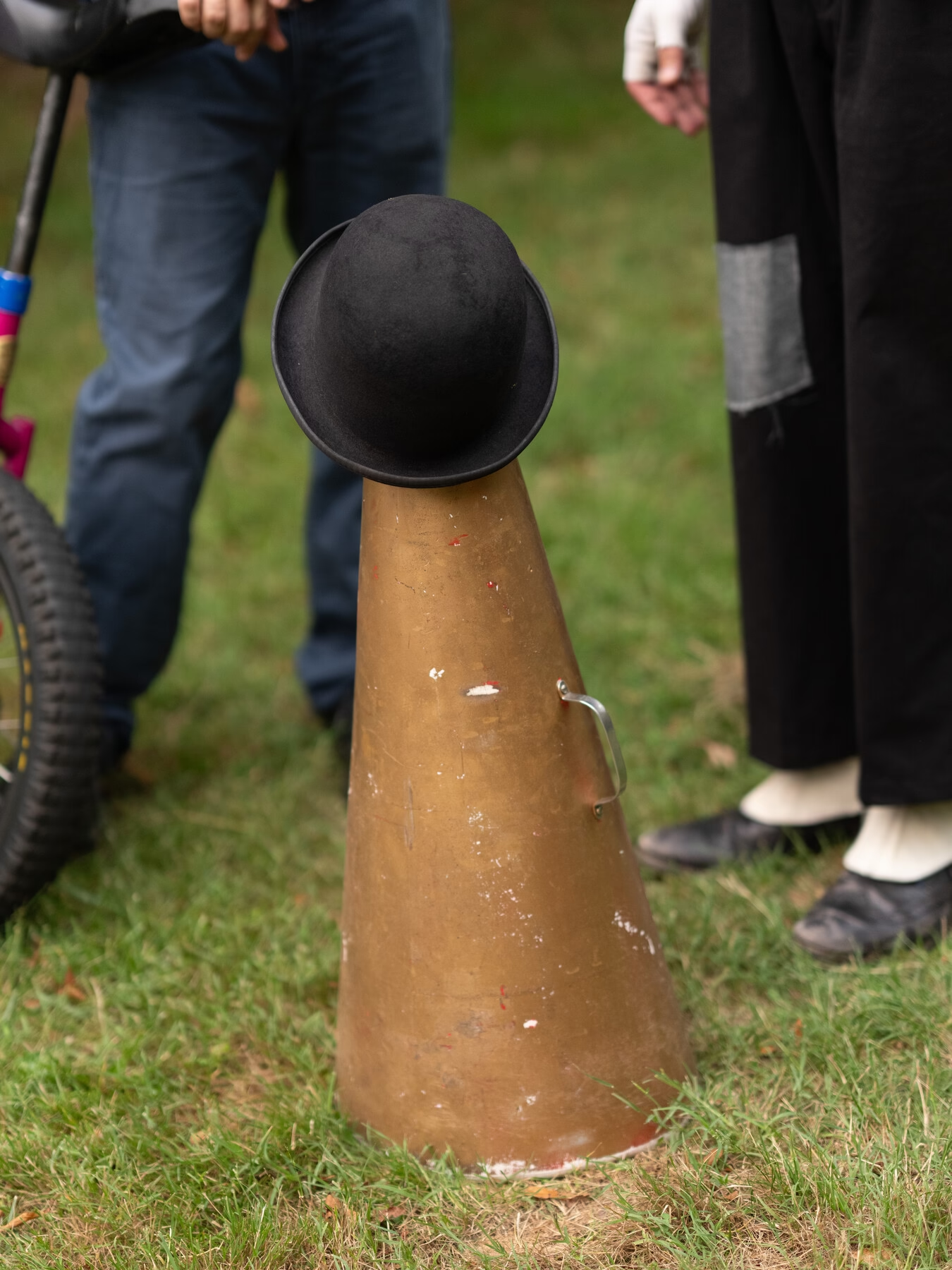
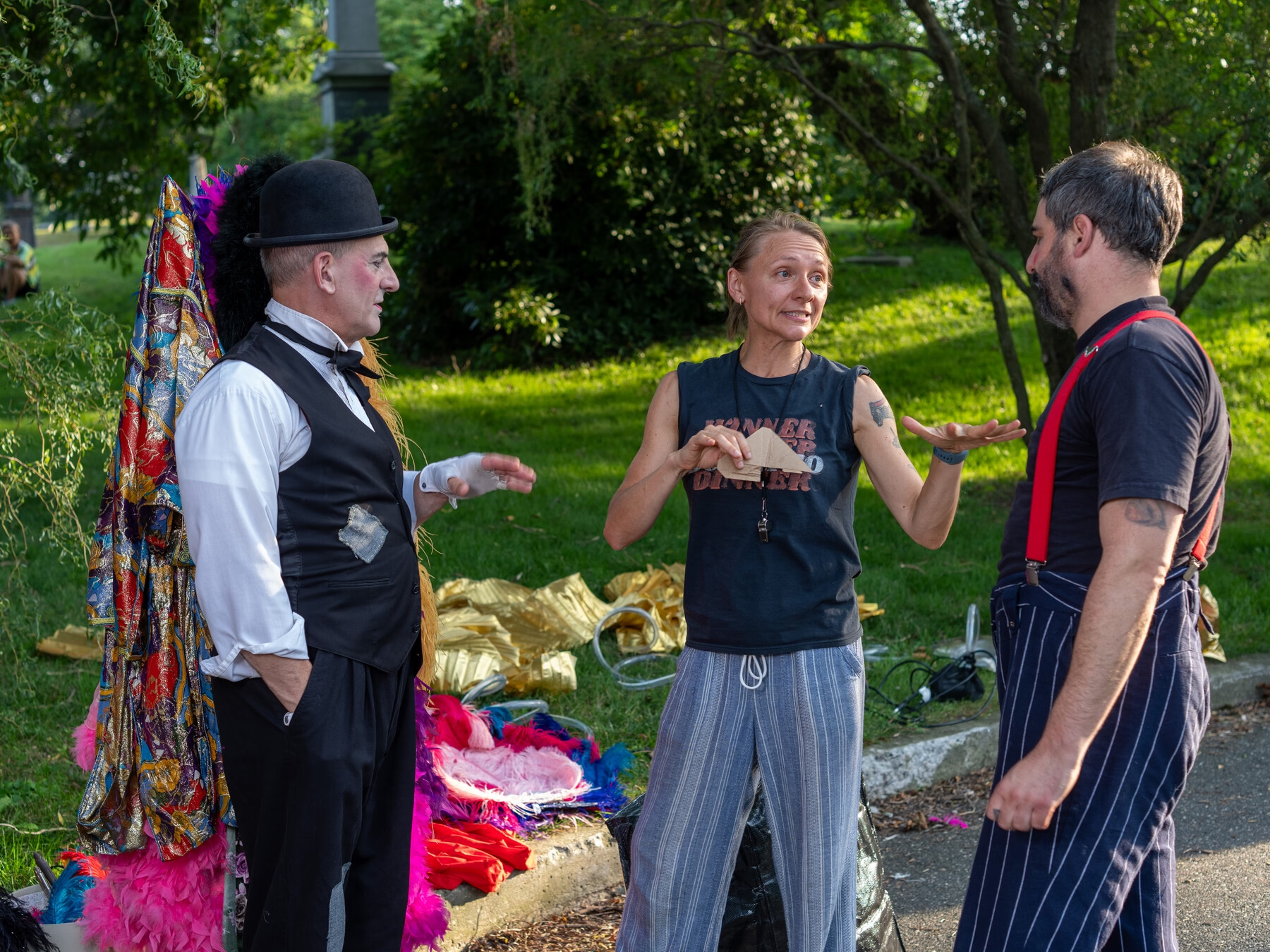
Thanks to Amanda Mustard for passing this assignment my way. It was a lot of work and one of the most fun assignments I’ve done. Before the performances, I photographed the show taking shape in small pieces: costume racks between the gravestones, makeup in a hand mirror, and a feathered wing being prepared beside a path. Those moments matter to me in event photography as much as the spectacle itself.
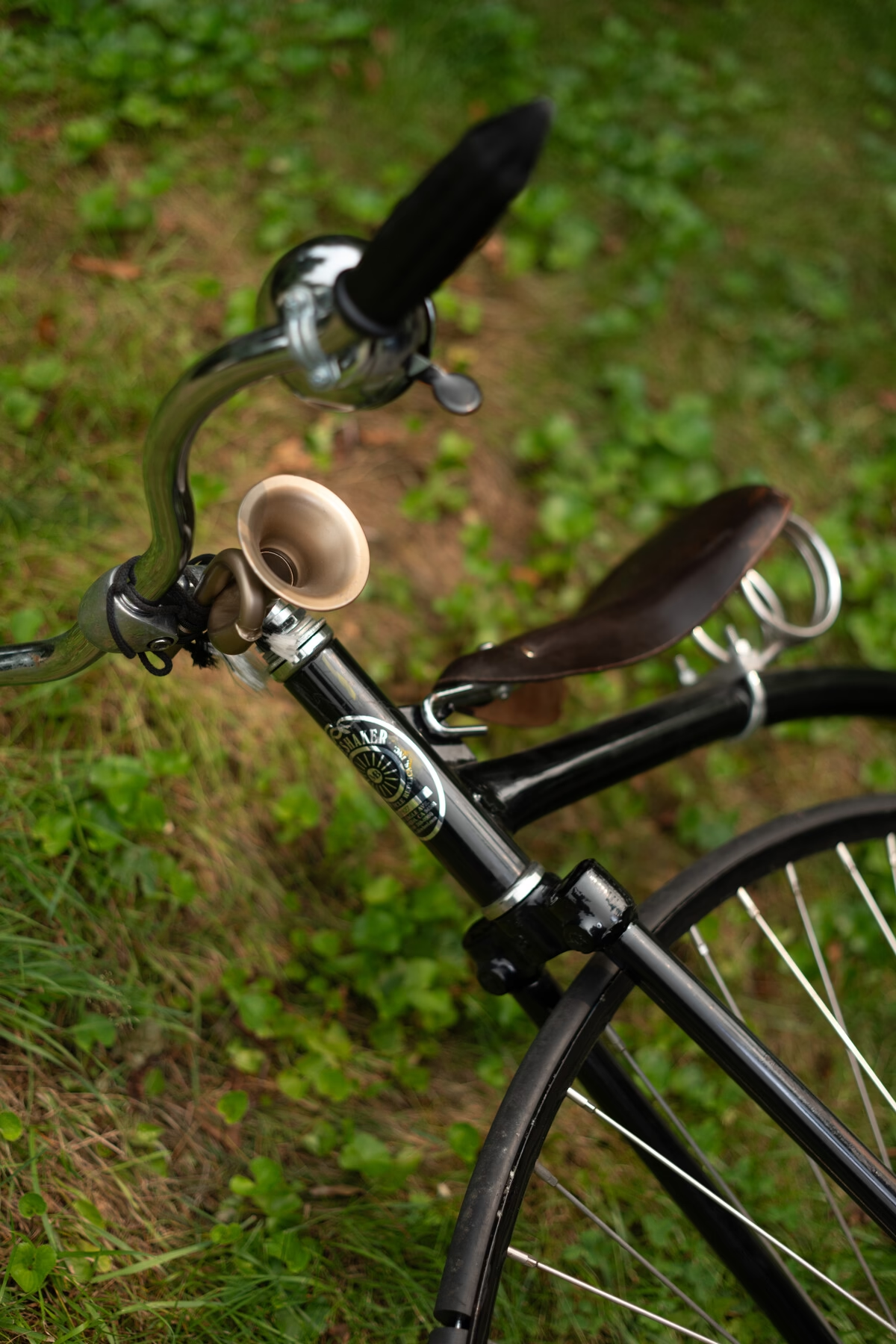
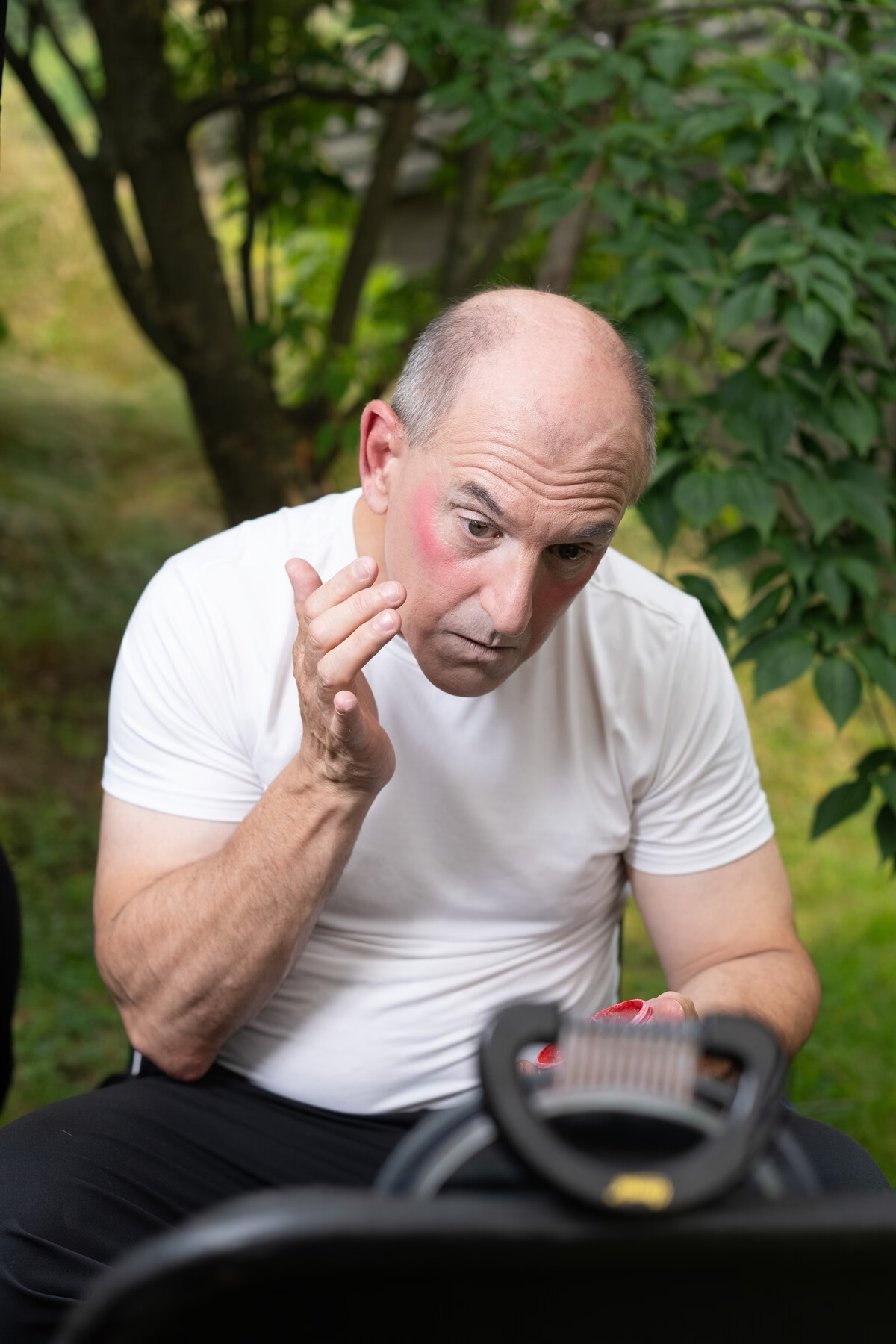
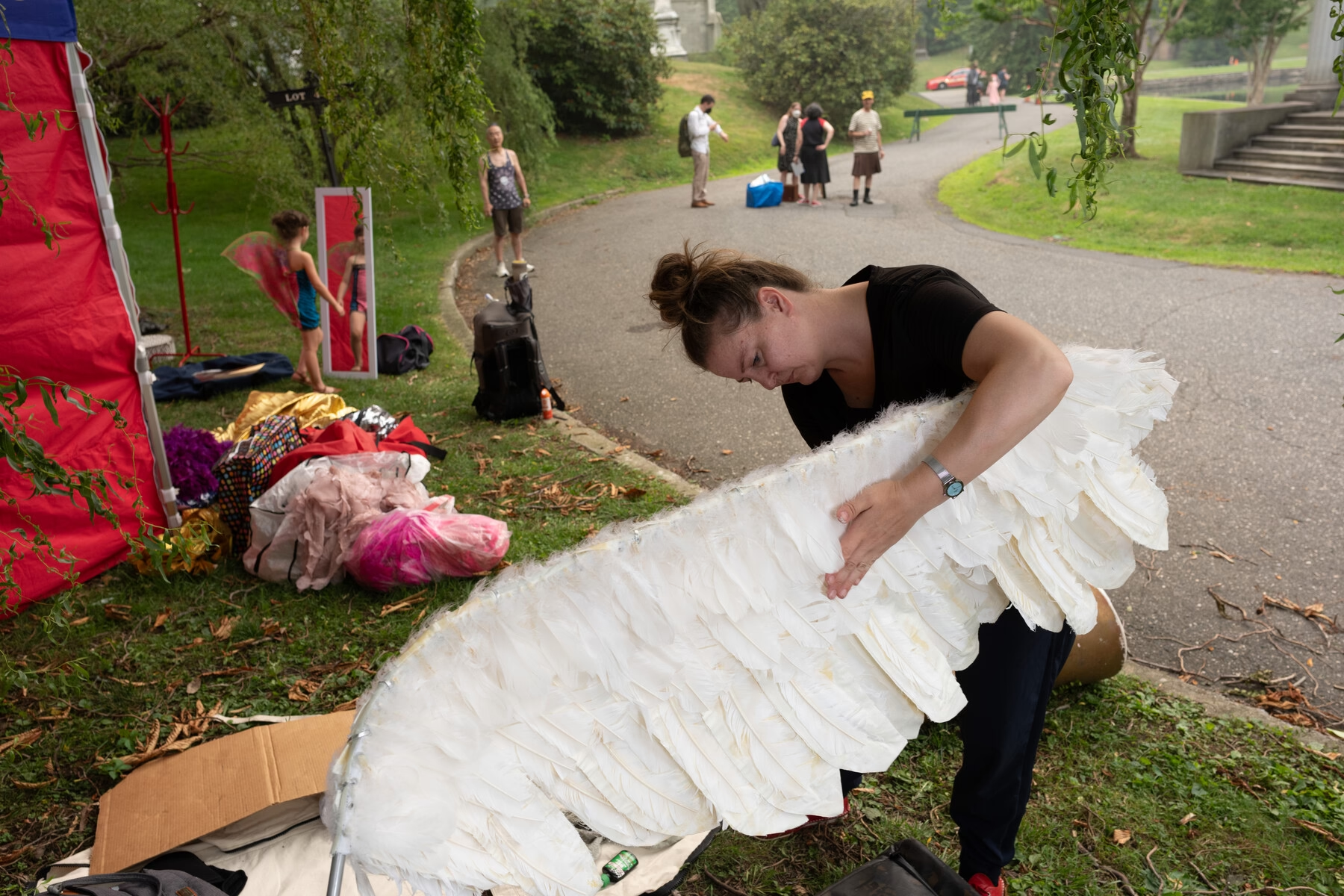
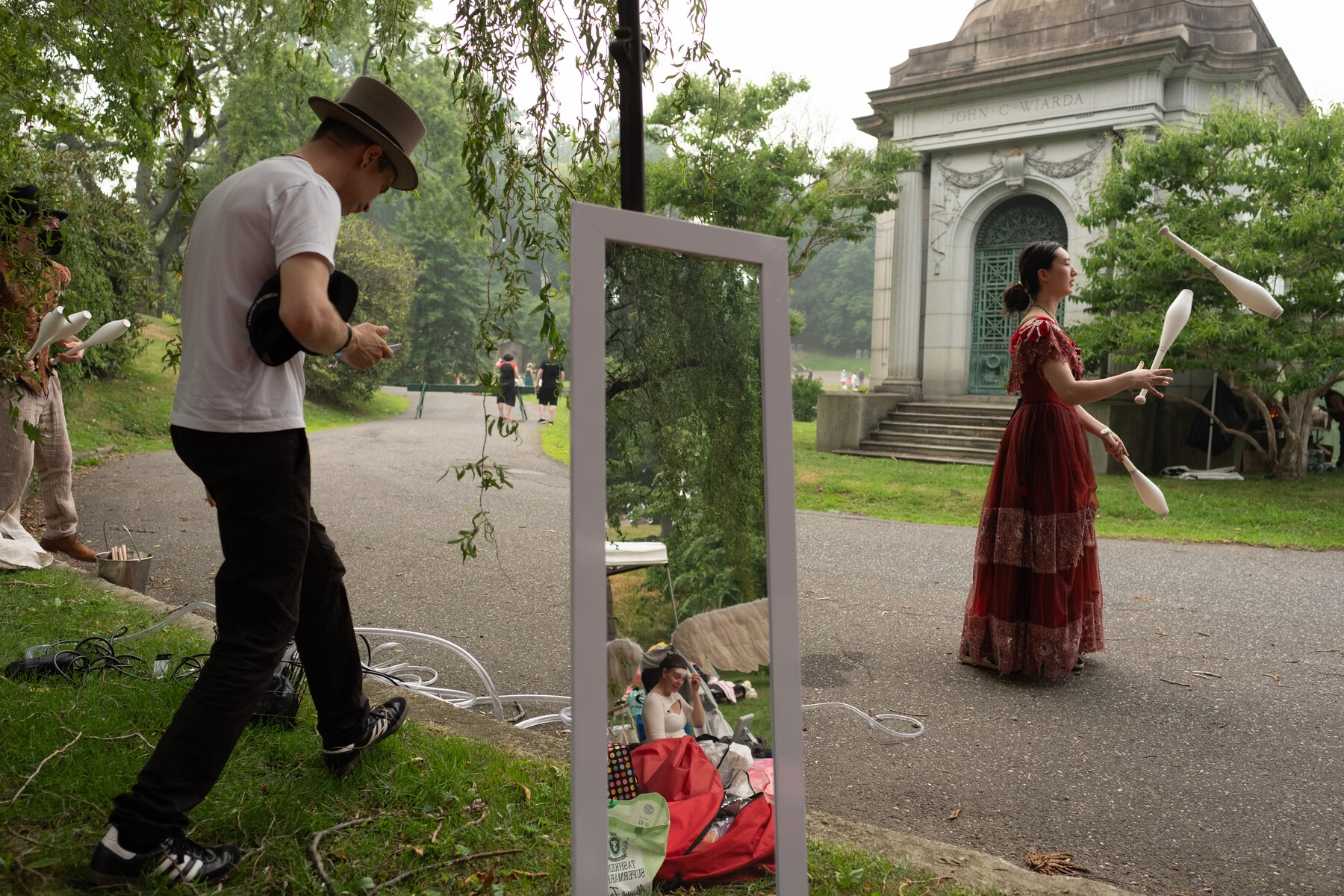
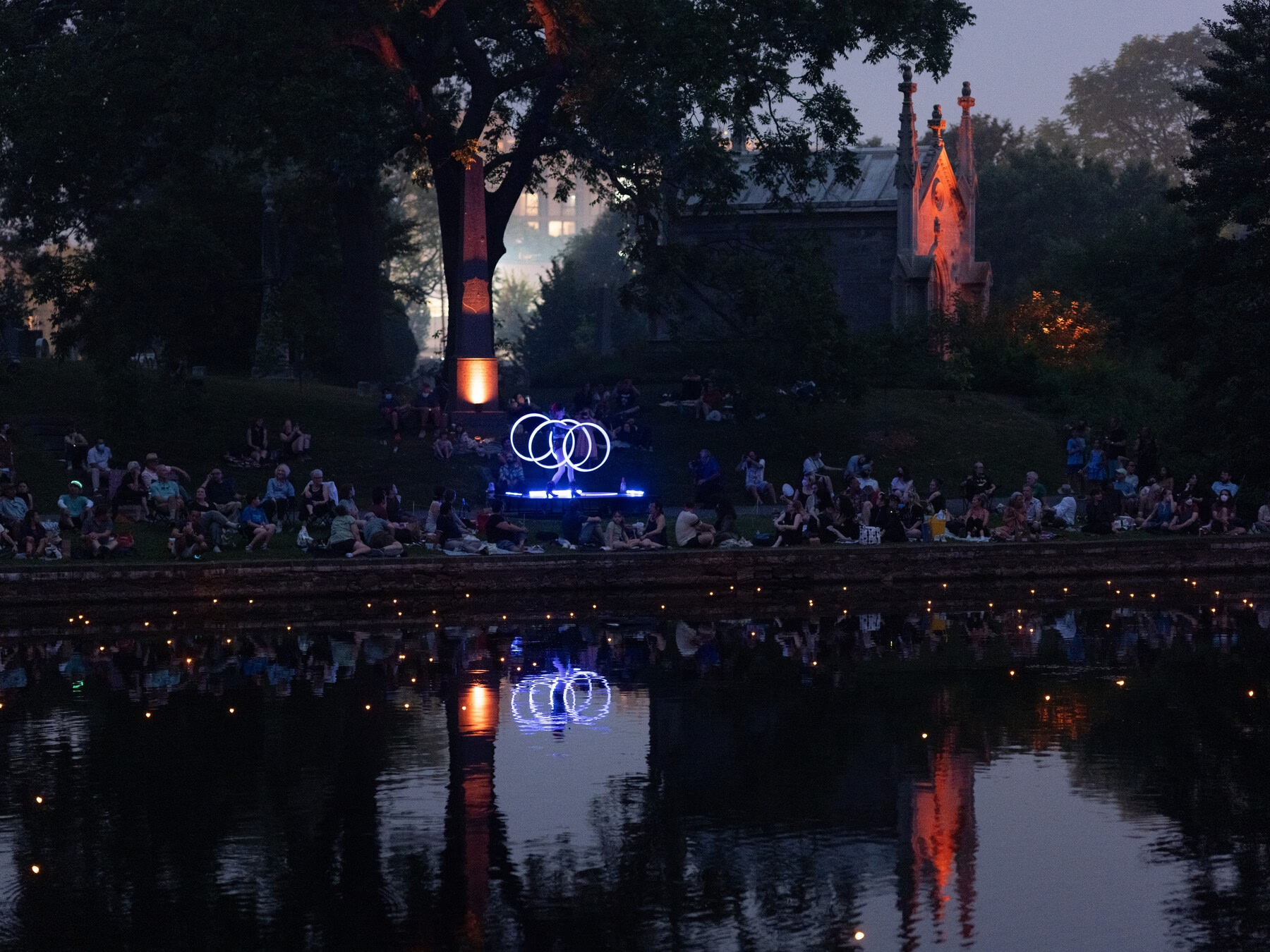
Niblo’s stage, from Broadway to Green-Wood
The setting has a theatrical history of its own. William Niblo, an Irish immigrant and impresario, created a Manhattan pleasure garden that grew into Niblo’s Garden theater on Broadway. Its 1866 production of The Black Crook is often cited as an early American musical. Niblo and his wife Martha rest here beside Crescent Water, where Green-Wood now brings the garden’s spirit back for an annual night of performance. Green-Wood credits researcher and author Benjamin Feldman with bringing Niblo’s story to the event.
Green-Wood’s account of Niblo describes him welcoming friends to his lakeside mausoleum for picnics and entertainment. He made this part of the cemetery a gathering place in his own time. With Bindlestiff’s music, movement, and visitors circling Crescent Water, I could see why the site’s history still gives the performance its shape.
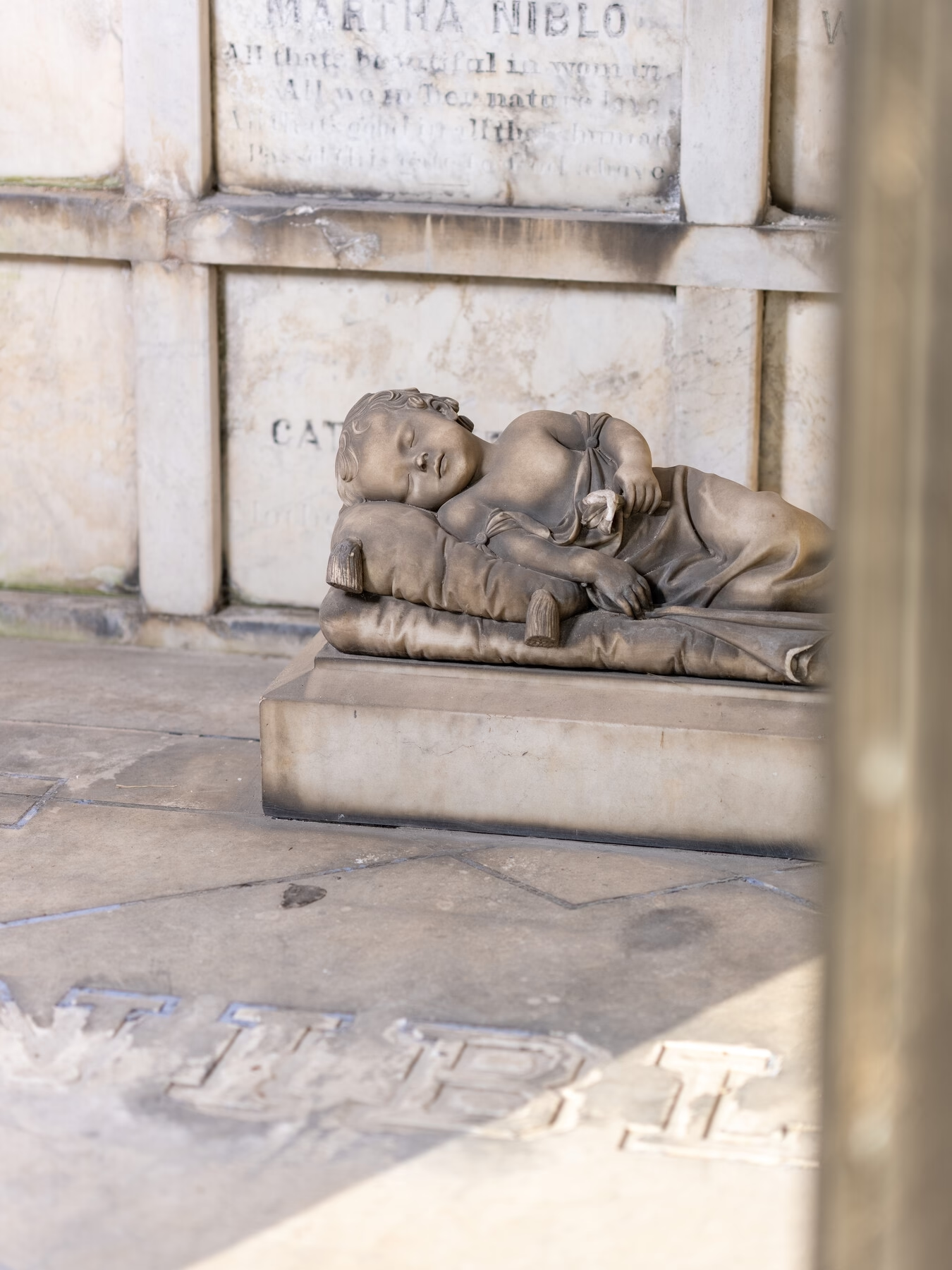
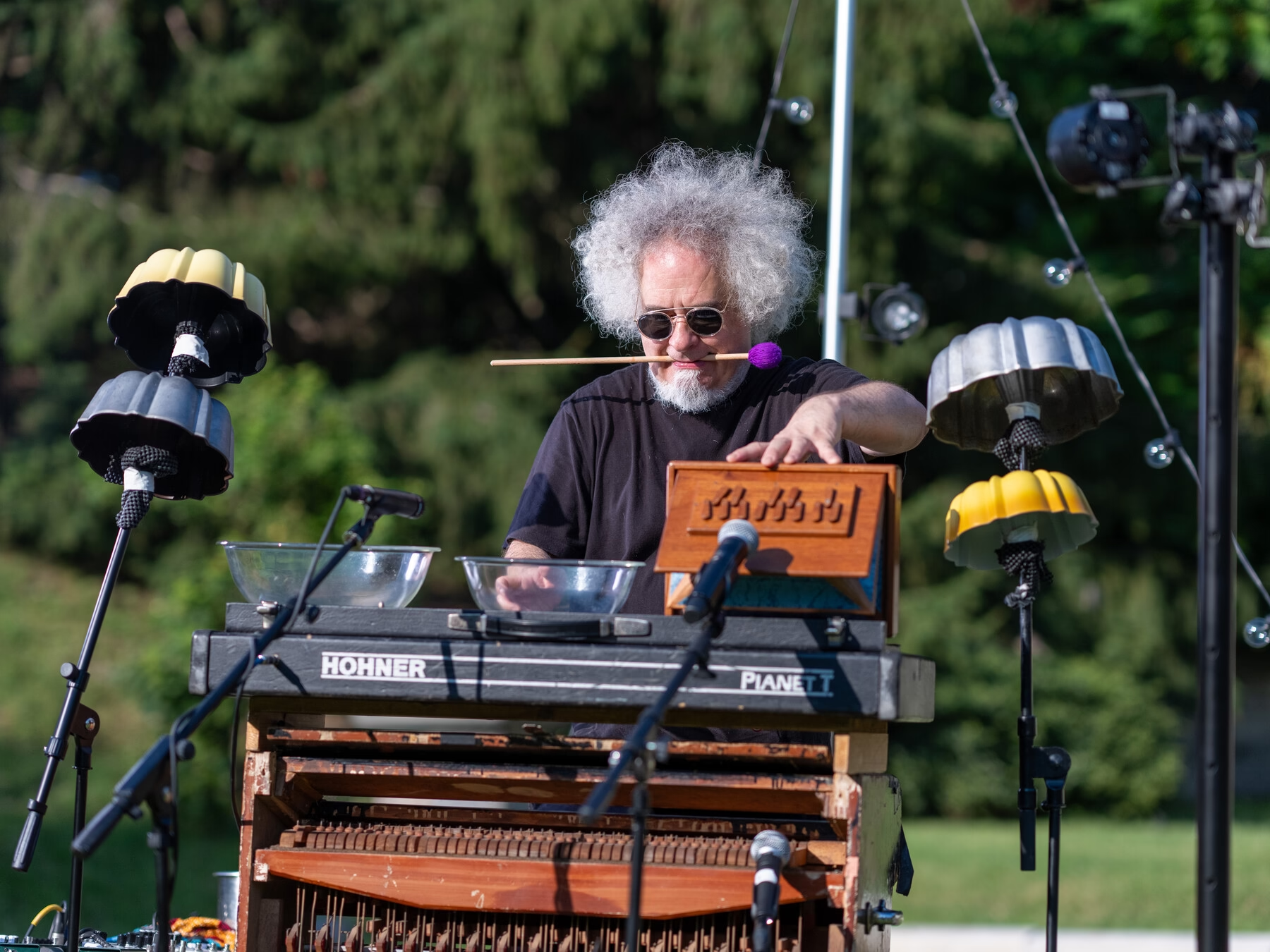
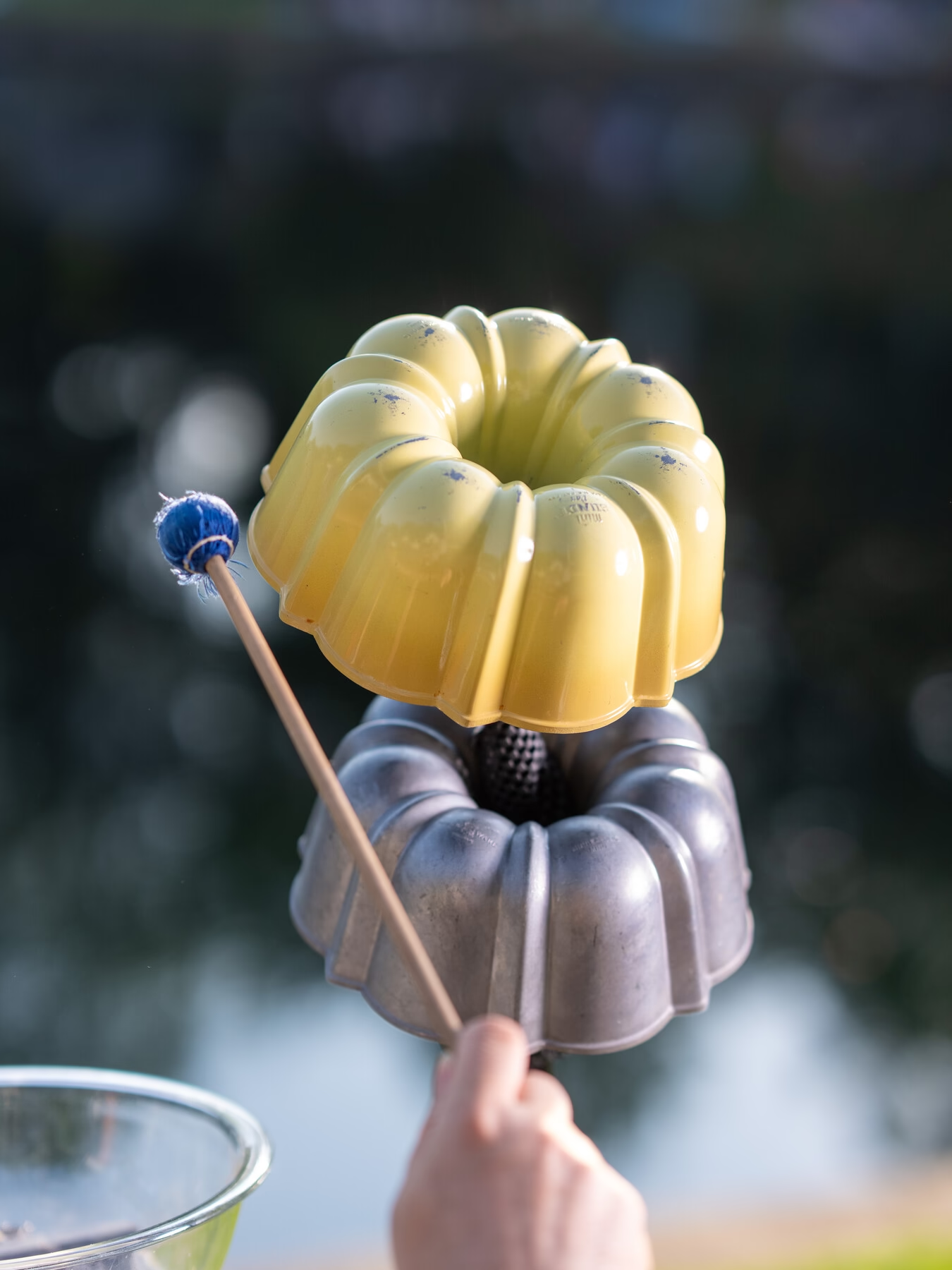
Following the acts around Crescent Water
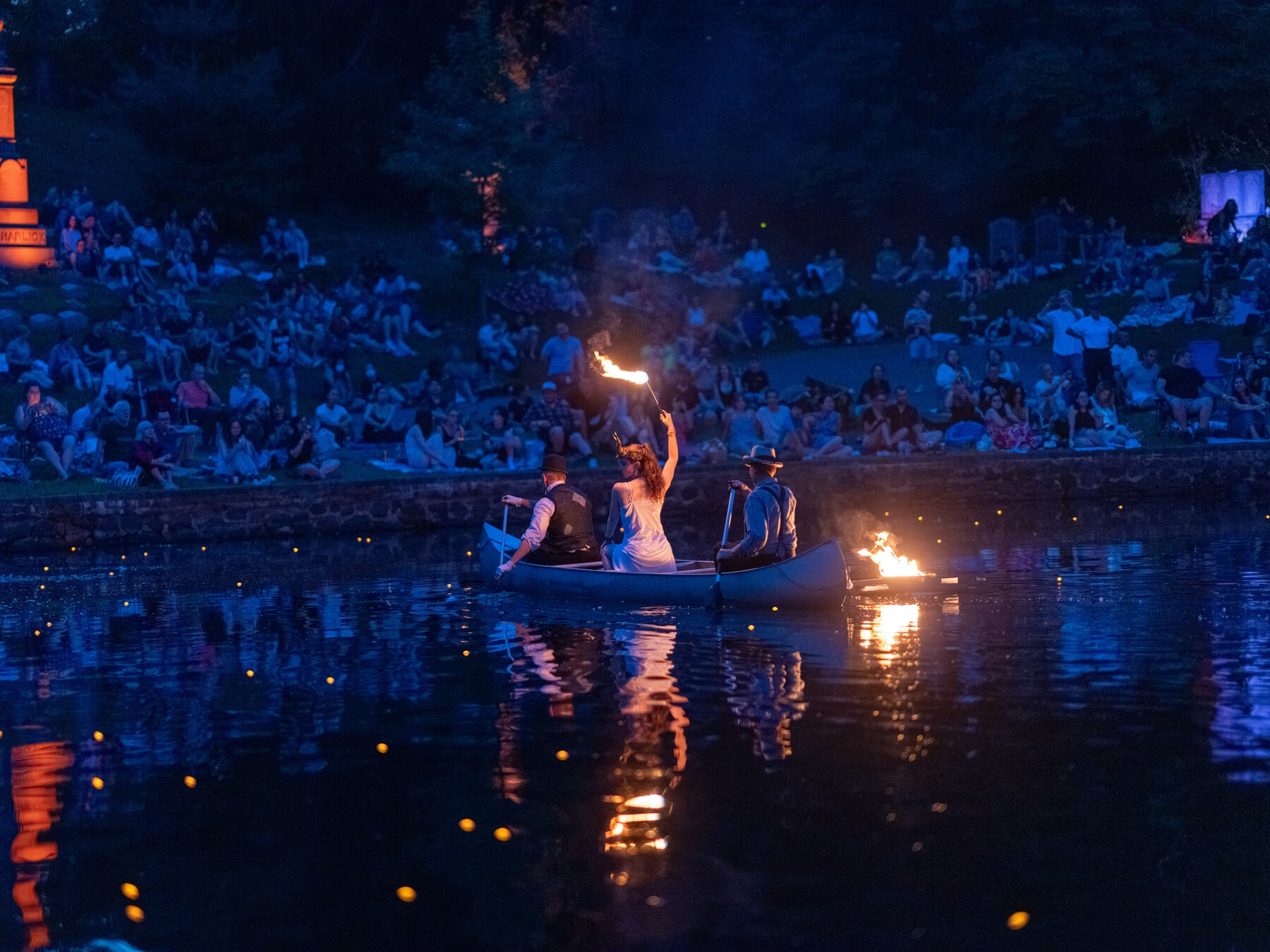
Smoke from fires in Canada made the first day of photography unusually difficult; the air cleared for the second. The acts were spread around the lake, so I had to choose and predict where to be for each photograph. Even then, there was a lot of running.
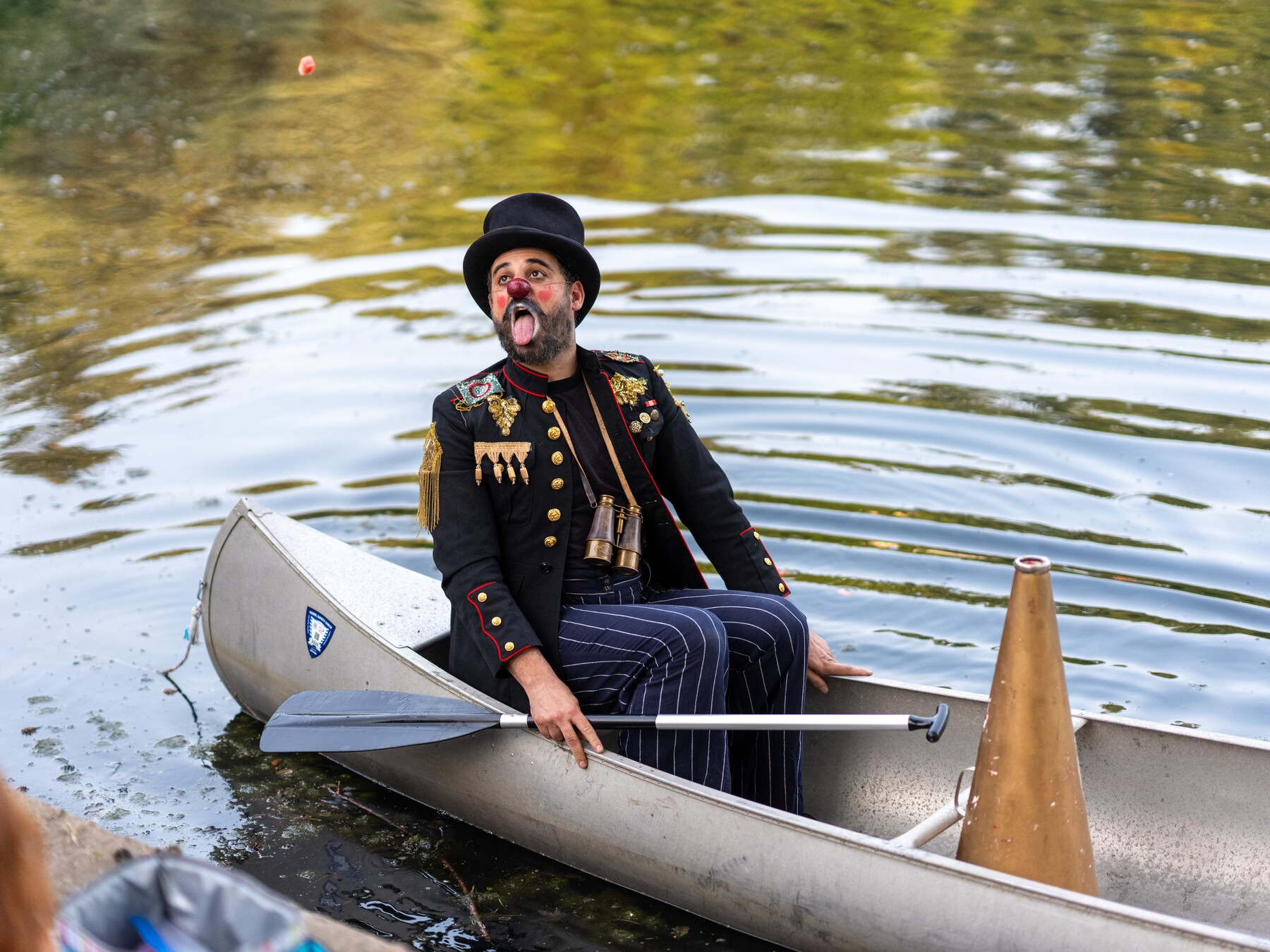
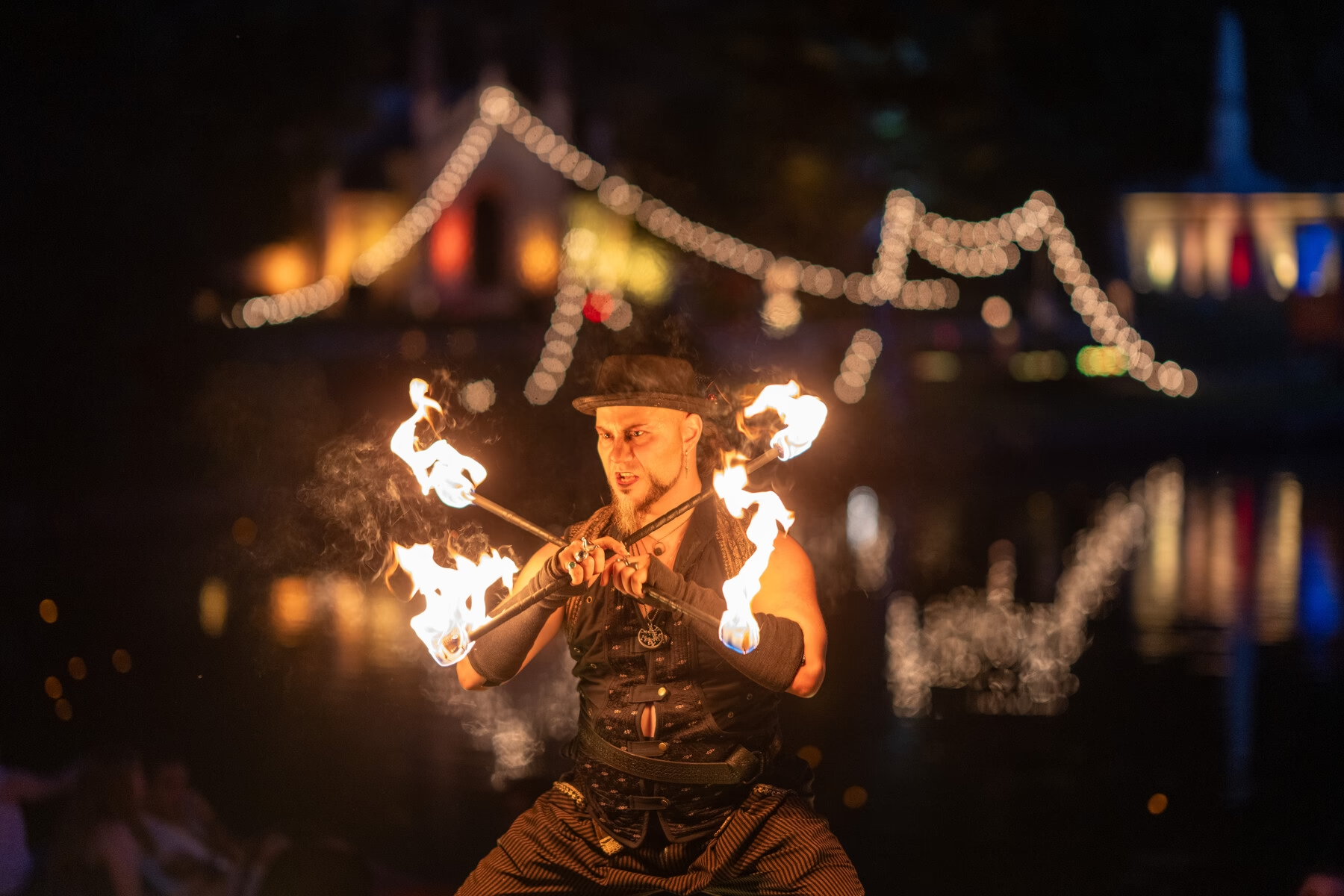
As a photographer working in New York, I was looking for both the scale of the show and the moments happening close to me: a clown in a canoe, a sword raised among the spectators, fire crossing the lake after dark. That is the photojournalistic photography I bring to an event—following what actually happens, including the moments between the planned acts.
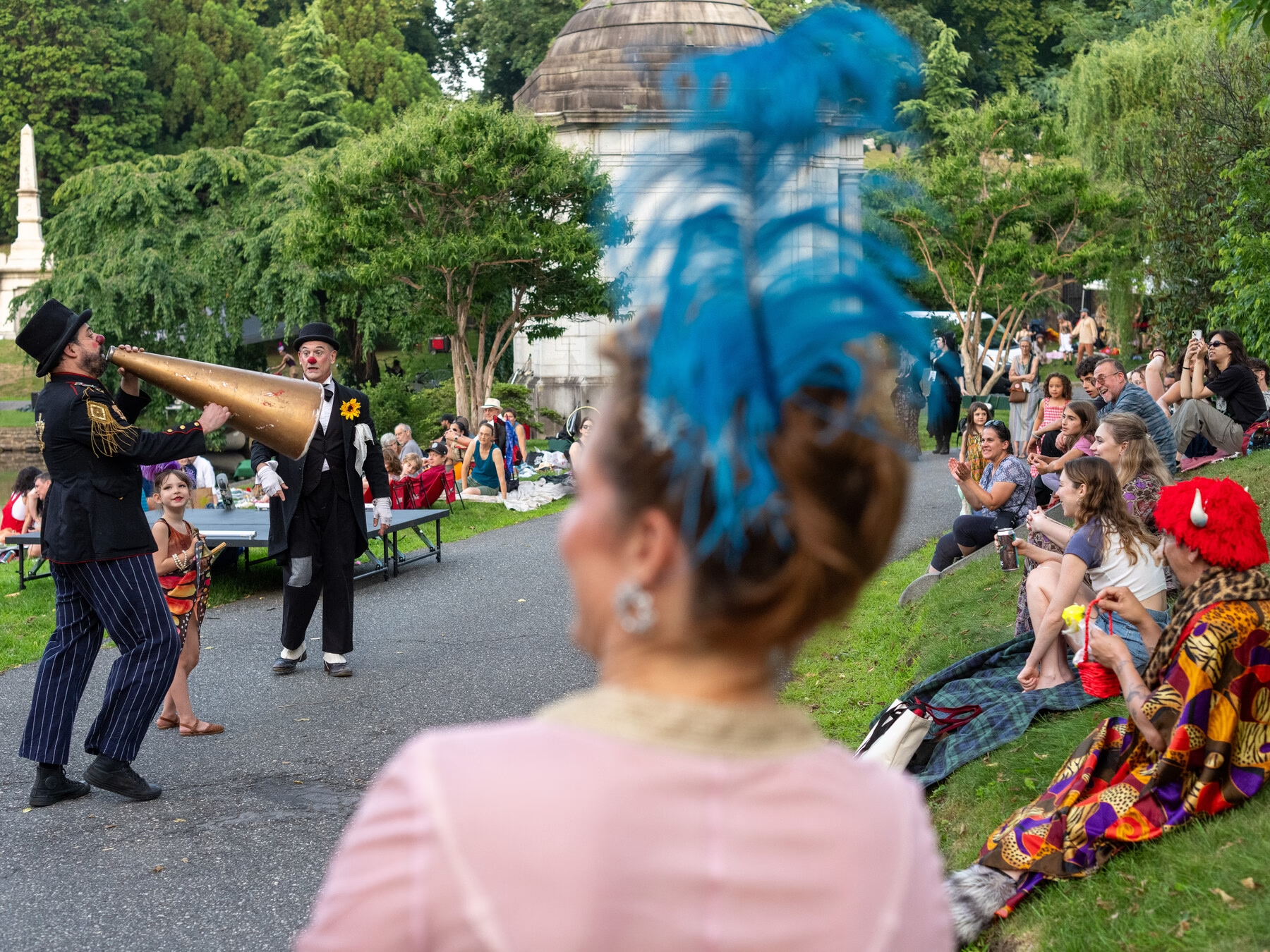
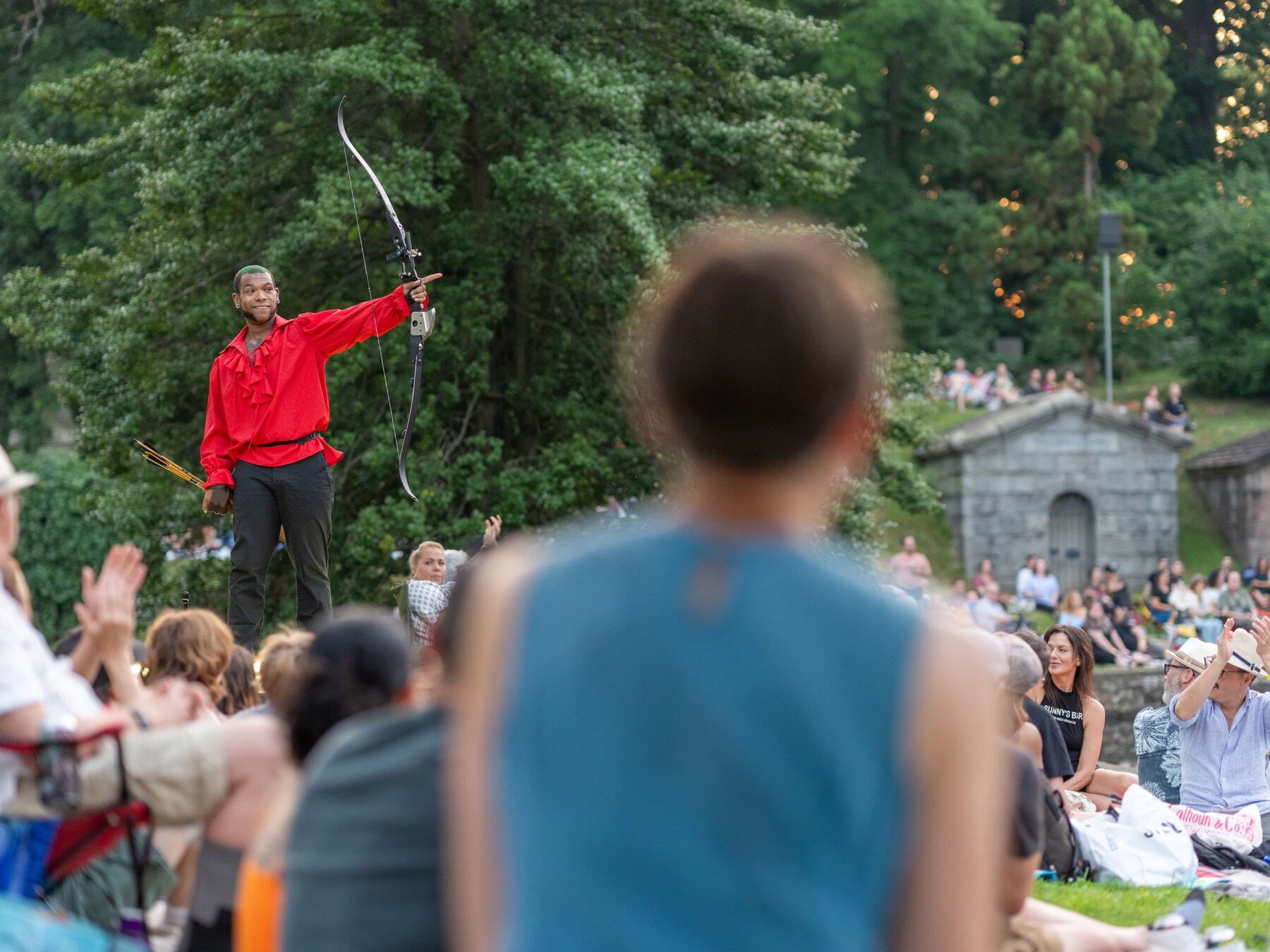
What stayed with me was the change in the place itself. A cemetery that usually feels somber became, for a few hours, a place of real happiness: an invitation to step out of everyday life and into something fanciful.