Eastern Libya · 2011

Libya as Libya
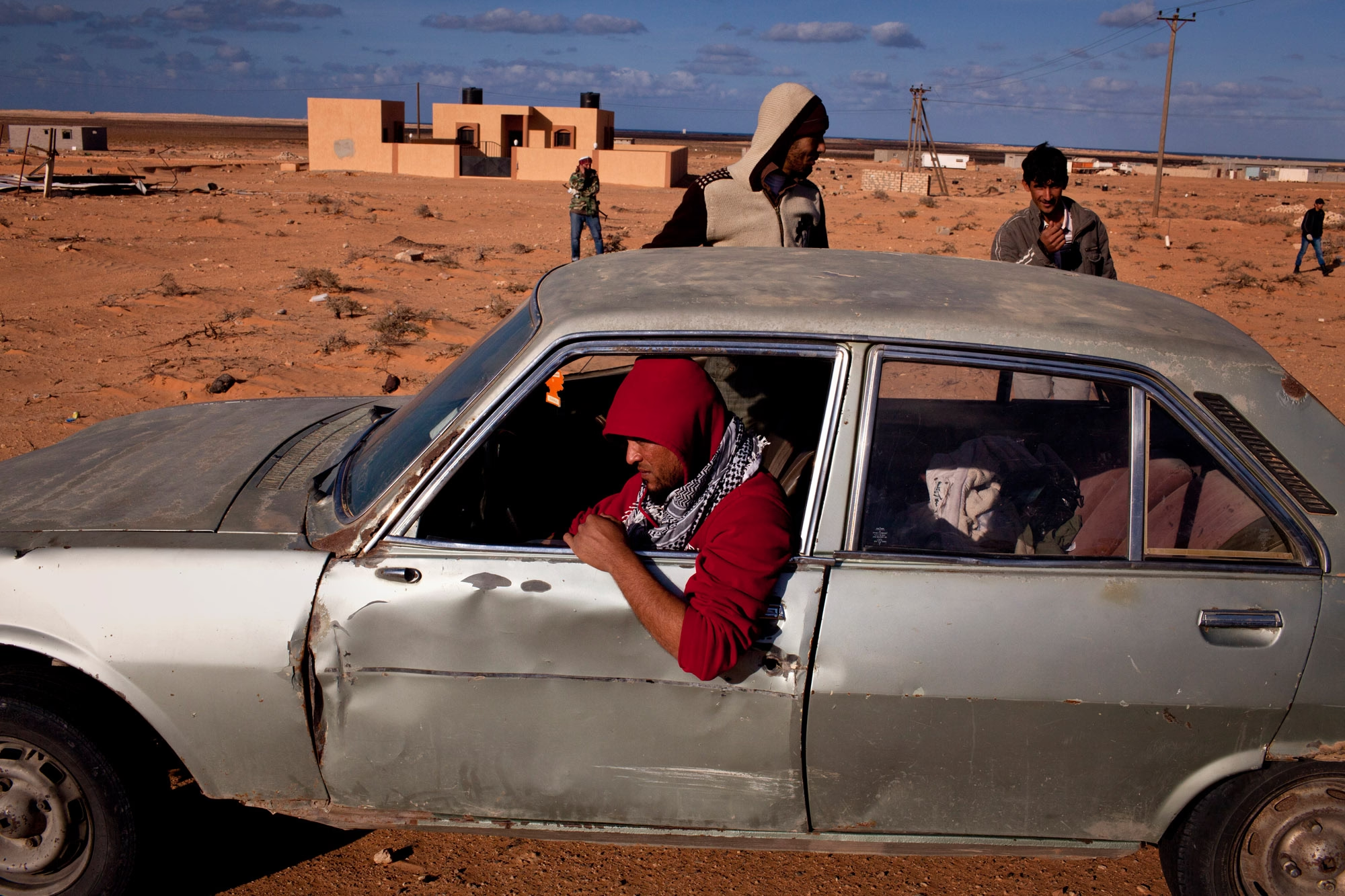
On my second trip to Libya in 2011, I traveled with a backpack and a camera, visiting small towns across the east. I could stop for tea, talk with people, see ruins and wander without a minder. There were few guidebooks for this kind of trip. Much of the time I was simply seeing where I could go.
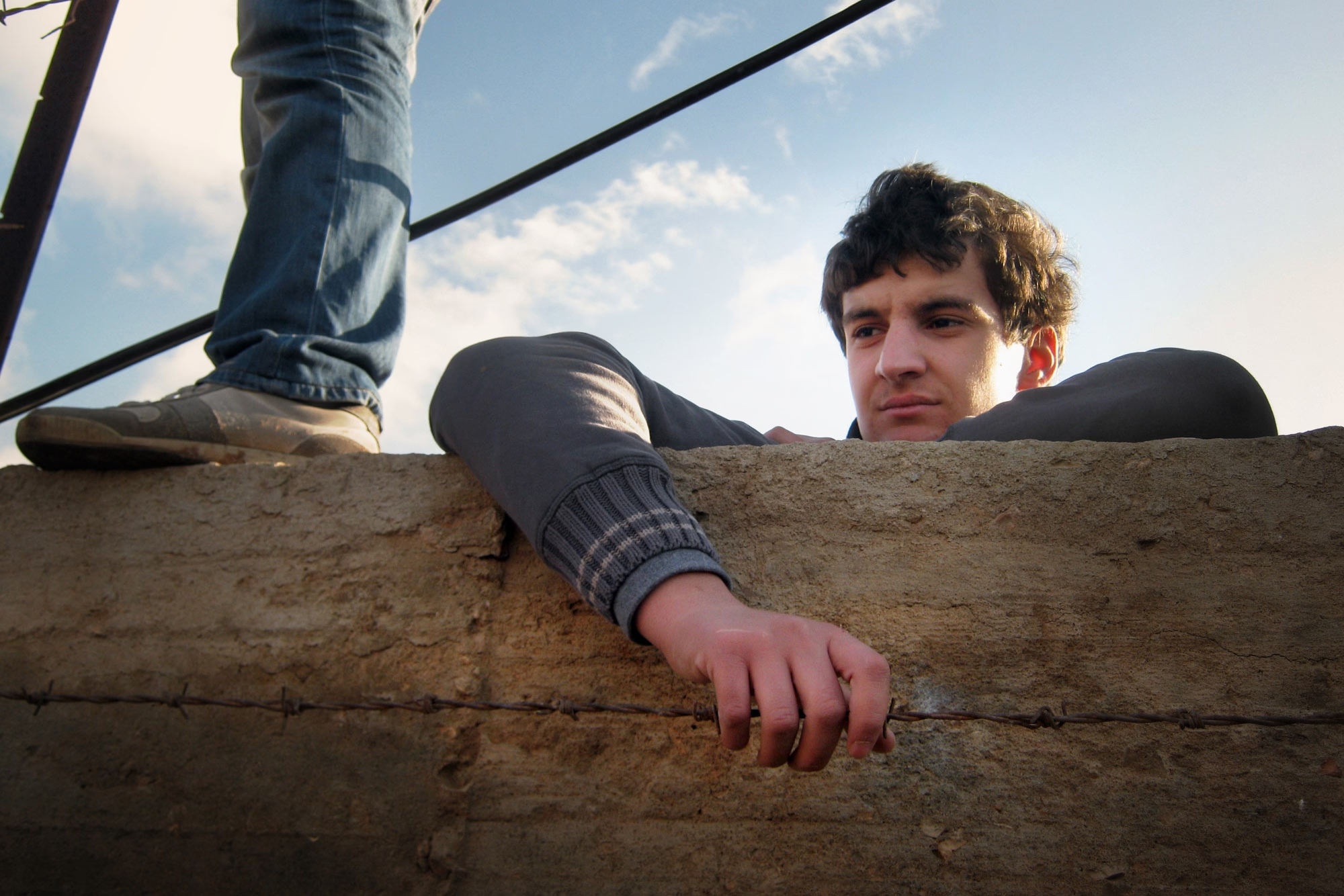
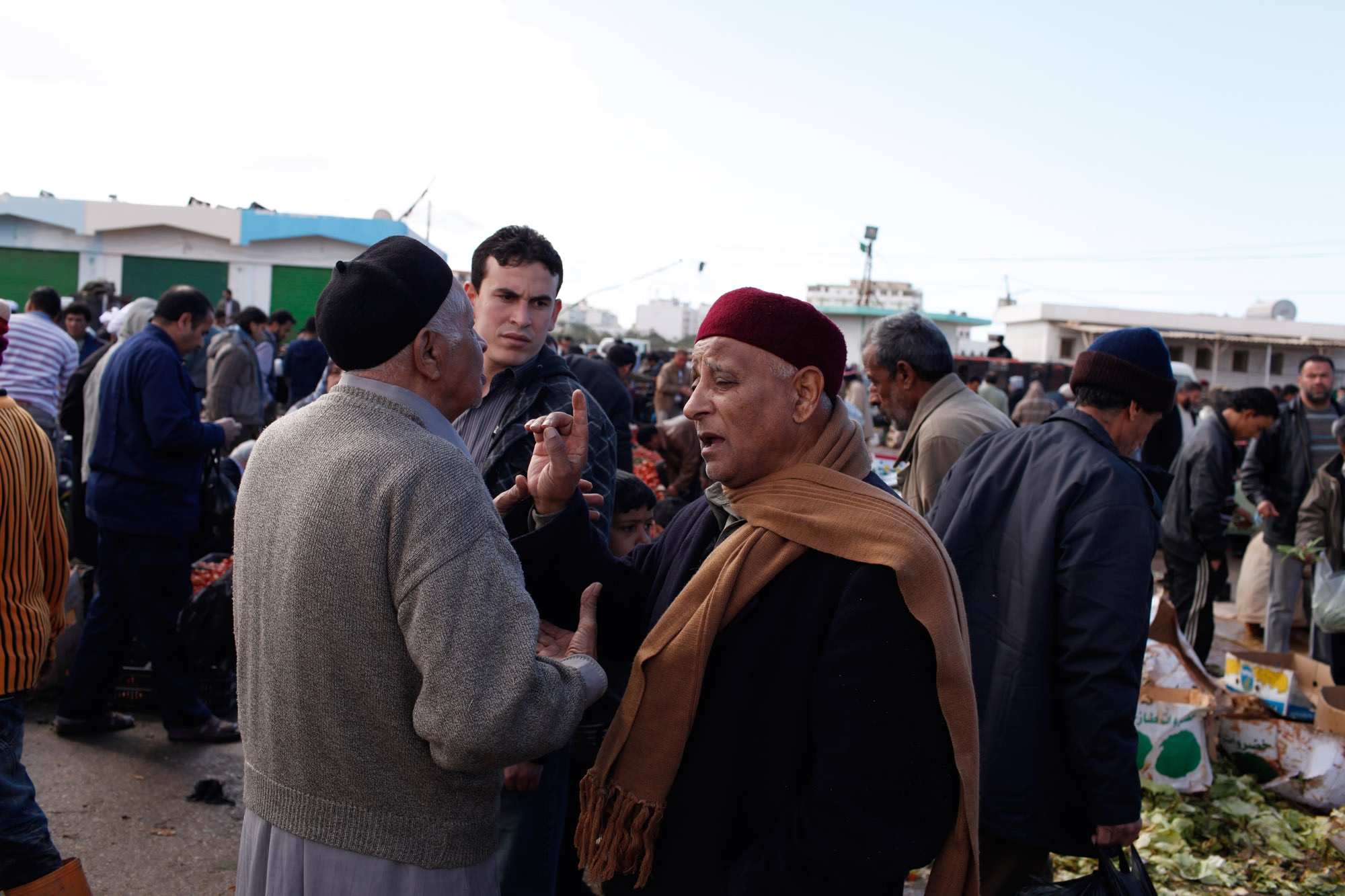
I wanted to photograph Libya as Libya. The revolution was still being fought beyond Benghazi, but there were also markets, orchards, families at home and children swimming along the coast. I had come back to spend time with that part of the country.


Getting across
My first trip had begun very differently. I had been living in Egypt for more than a year when the Egyptian revolution broke out. After about a month covering it, I was watching events in Libya with the other journalists based in Cairo. We were waiting for a way into the east.
When word came that the border would open the next day, I withdrew as much cash as I could. I had few supplies. At the border I joined a Wall Street Journal writer I had been working with, his fixer and several other journalists. We were among the first groups across that morning. After some negotiation on the Libyan side, we headed toward Tobruk.
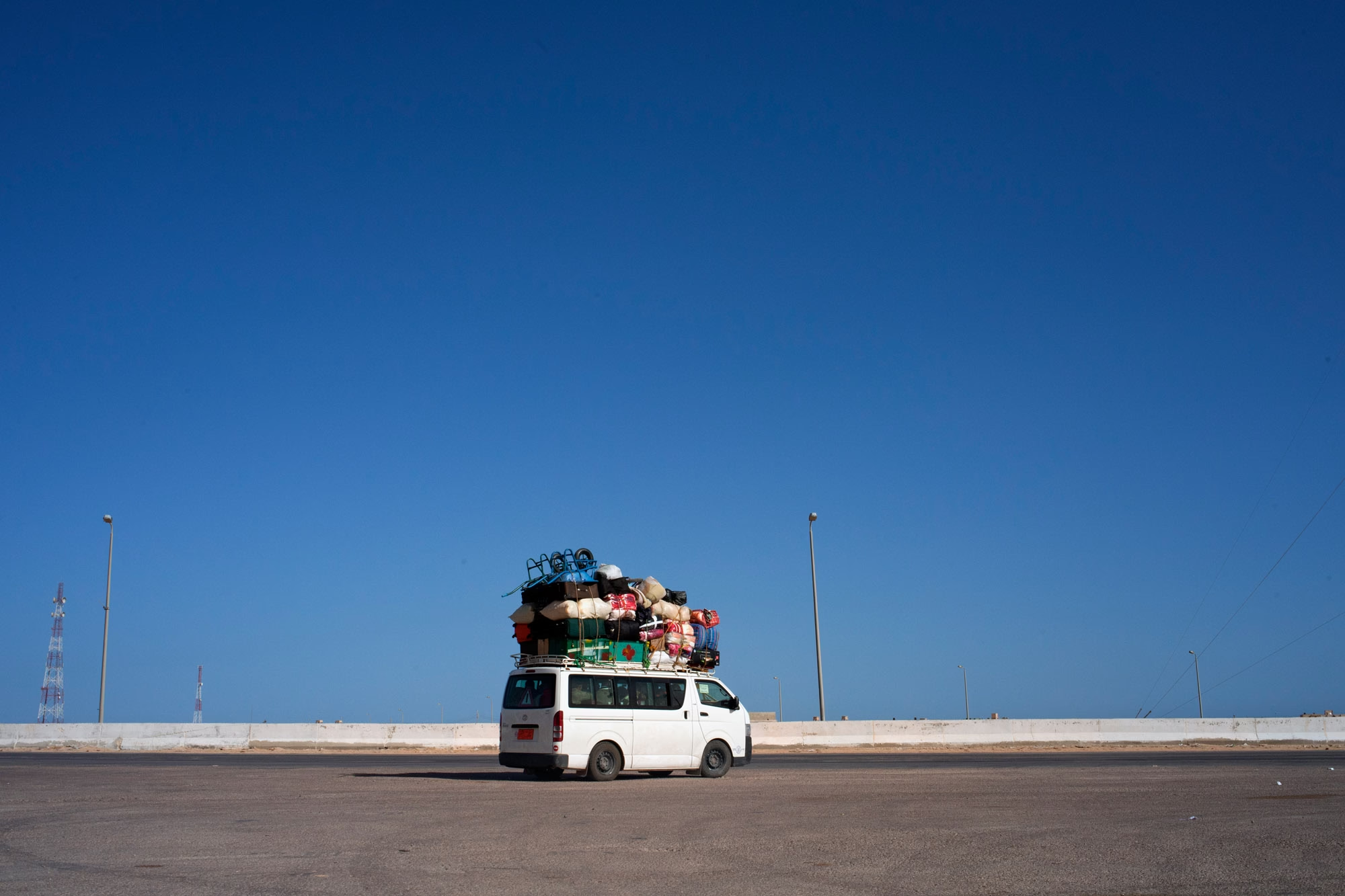
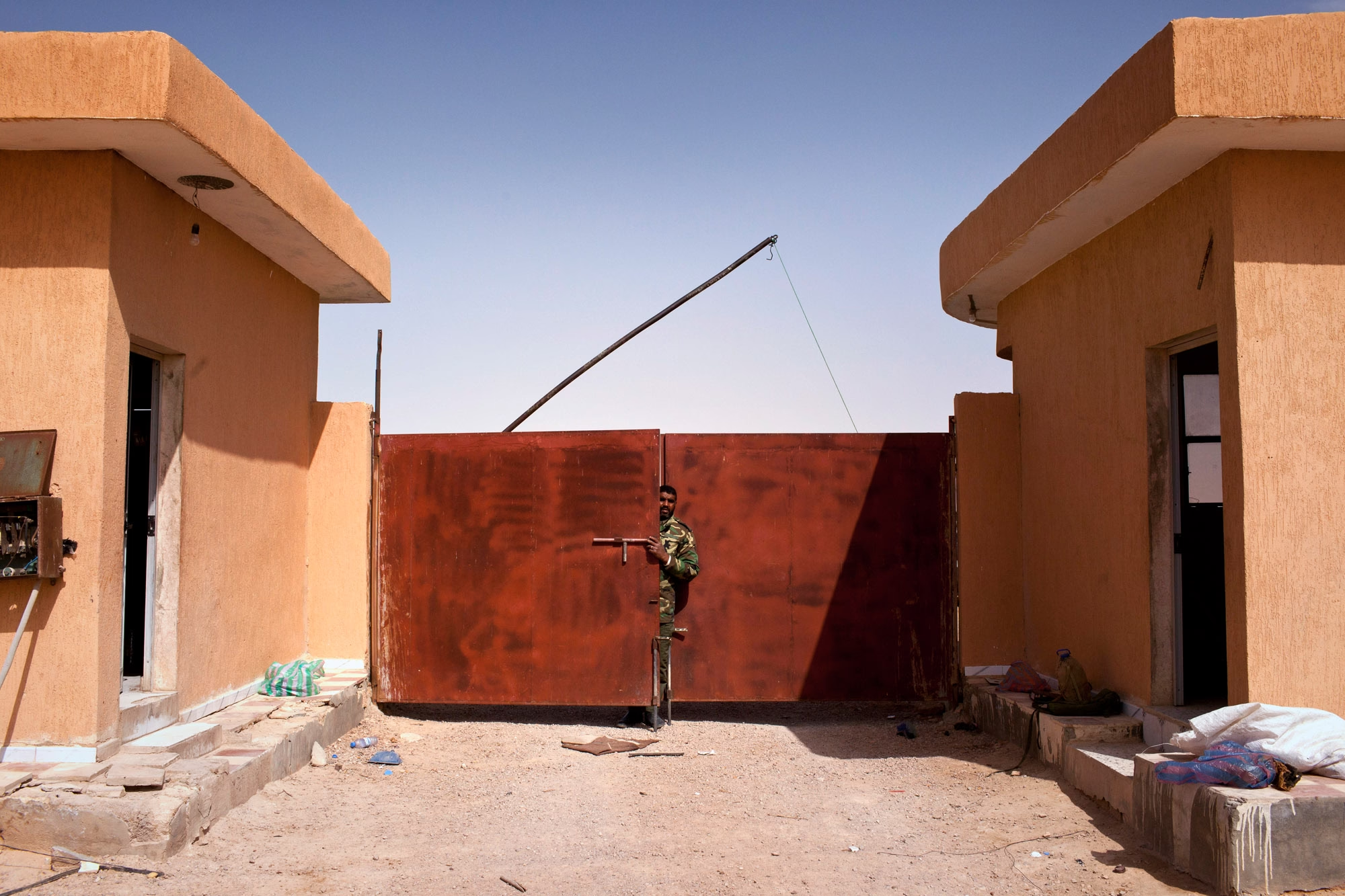
Along the way, we stopped at a military base to see whether the soldiers really had gone. The gate was open. A few people were looking around, but the base was deserted. We found helmets to use for protection. While the writer explored, I took photographs.
A shepherd grazing his flock inside the walls came over and demanded my camera. I thought I might have photographed him without realizing it. I offered to delete the pictures, then to give him the memory card. He refused both. The translator explained that he was threatening to kill me if I did not hand over the camera. I gave him my Canon 5D, and he smashed it on the ground in front of us.
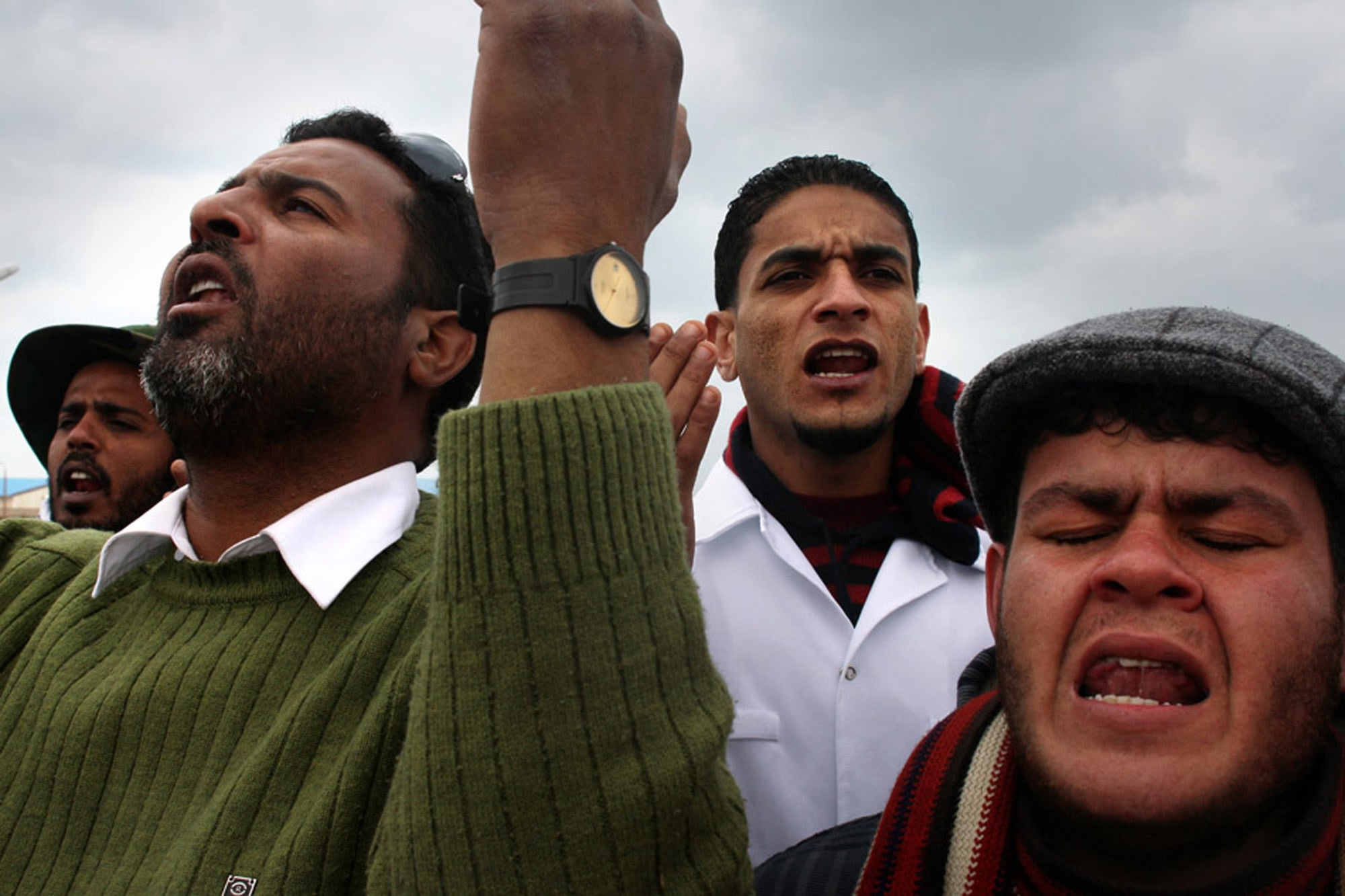
I had just made it into Libya, and my camera was broken. Then I remembered the small Canon point-and-shoot in my bag. It ran on AA batteries. I used it to keep photographing, including a small protest on the way to Tobruk. Some of those photographs appeared in The Wall Street Journal the next day.
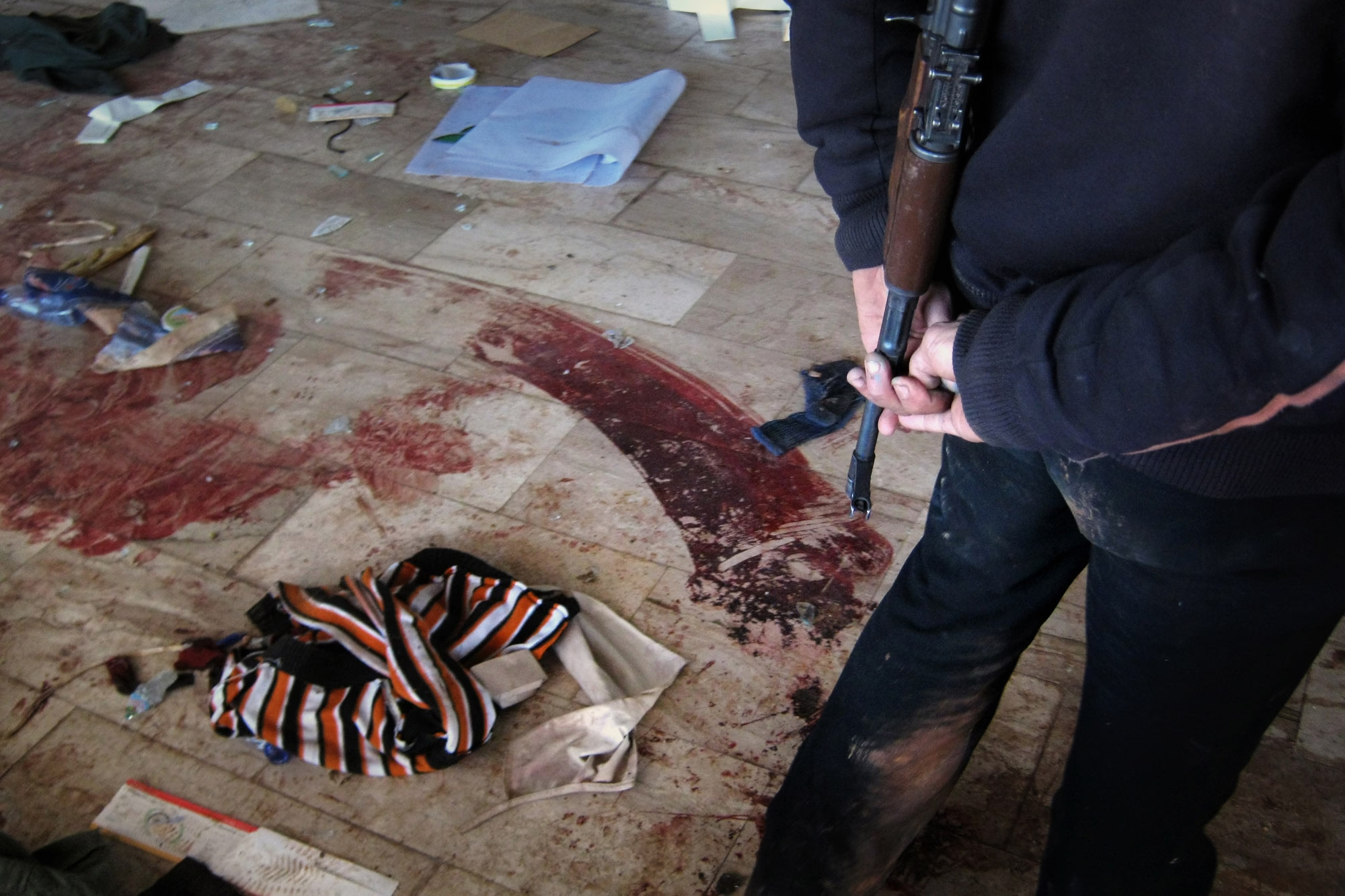
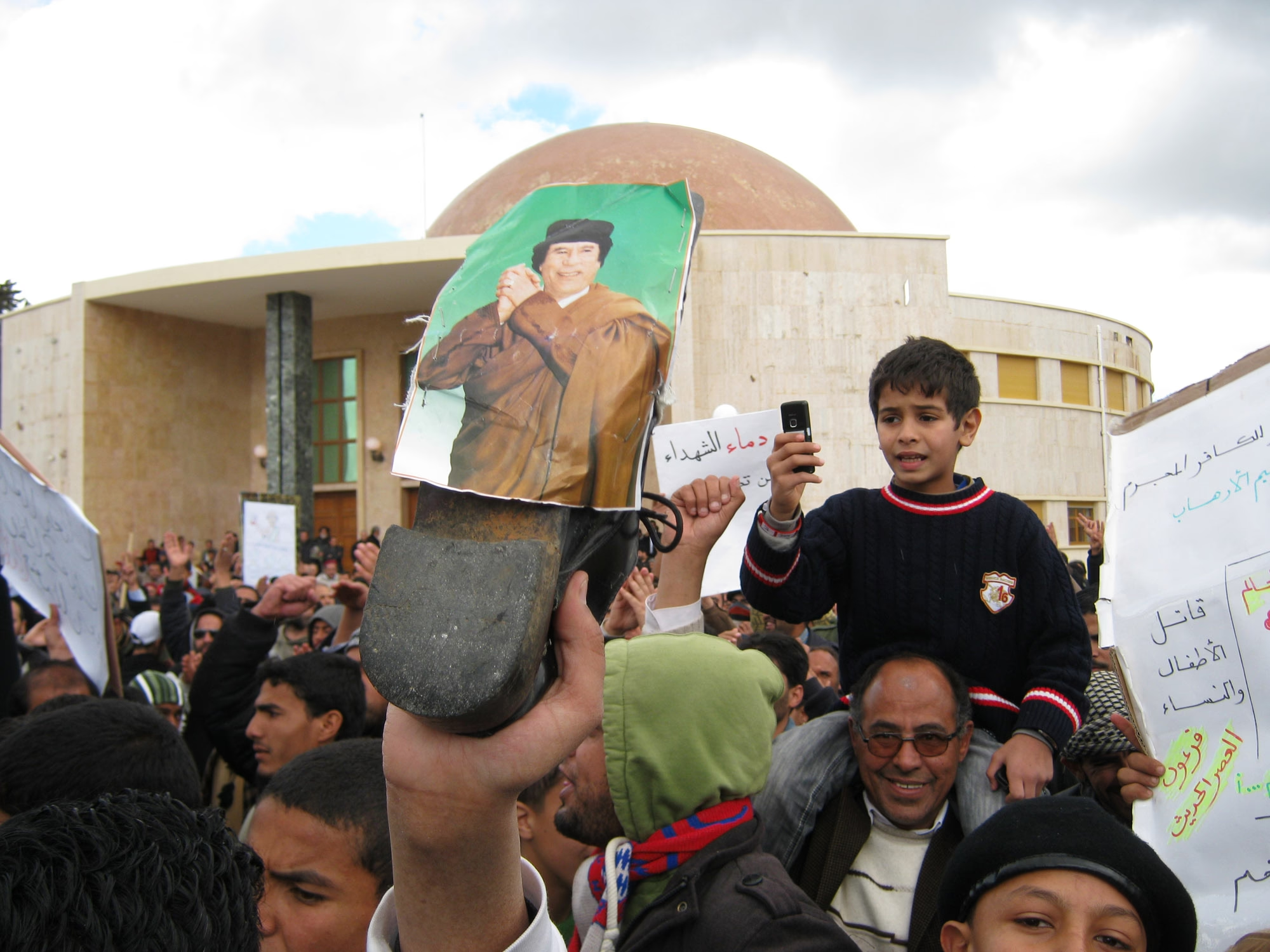
We spent the night in Tobruk and continued toward Benghazi the next morning. Once there, we settled into a small hotel and began reporting. Other photographers helped me get working equipment again: a Getty photographer lent me a Canon Rebel he had bought to cover the uprising in Bahrain, and Timothy Caldwell sold me a 5D at short notice.
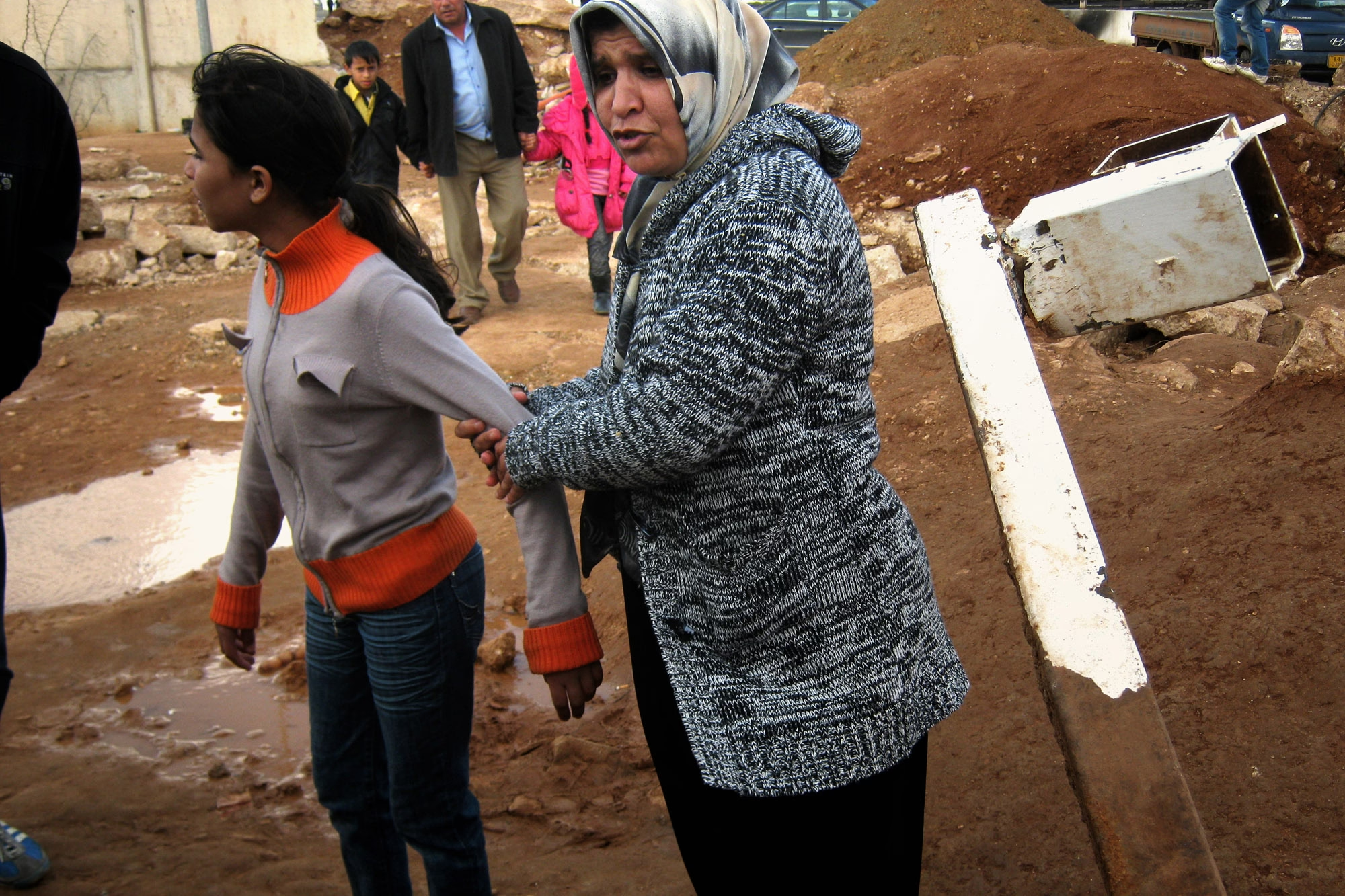
Behind the fighting
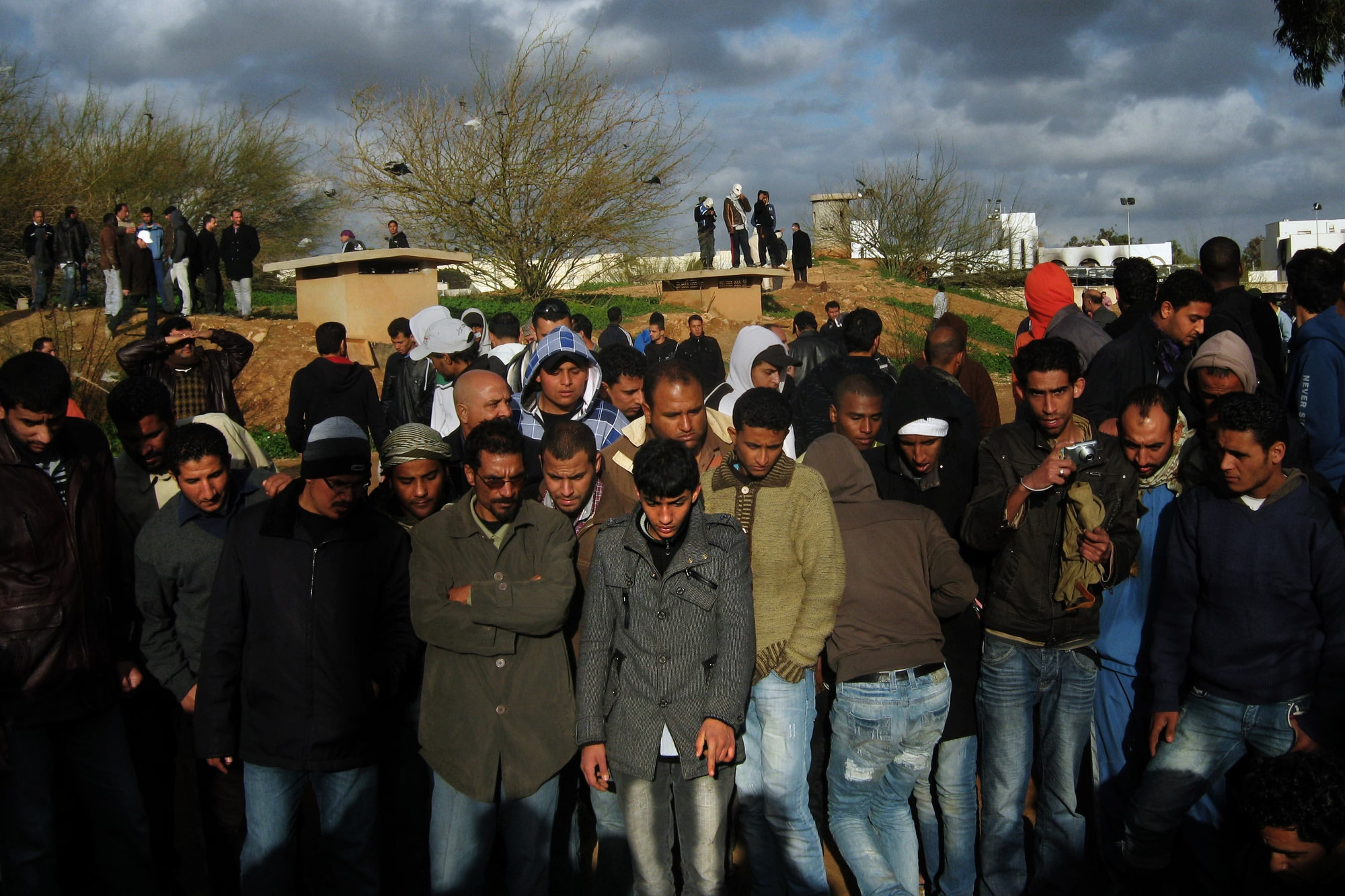
I stayed for about a month. Most days I worked with a writer or a small group of journalists, sometimes French, sometimes American, sometimes British. Whoever needed a photographer, I would go with them.
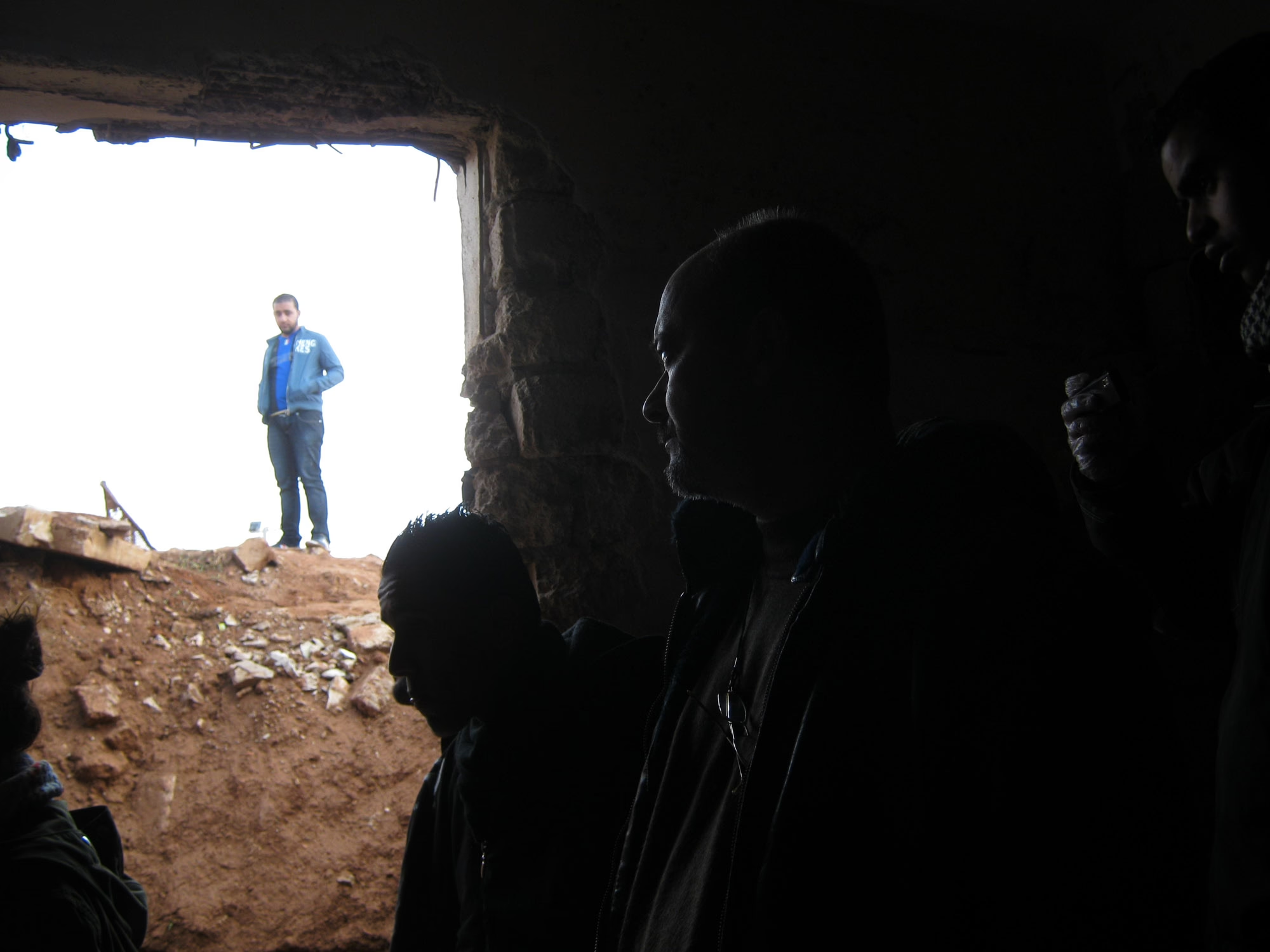
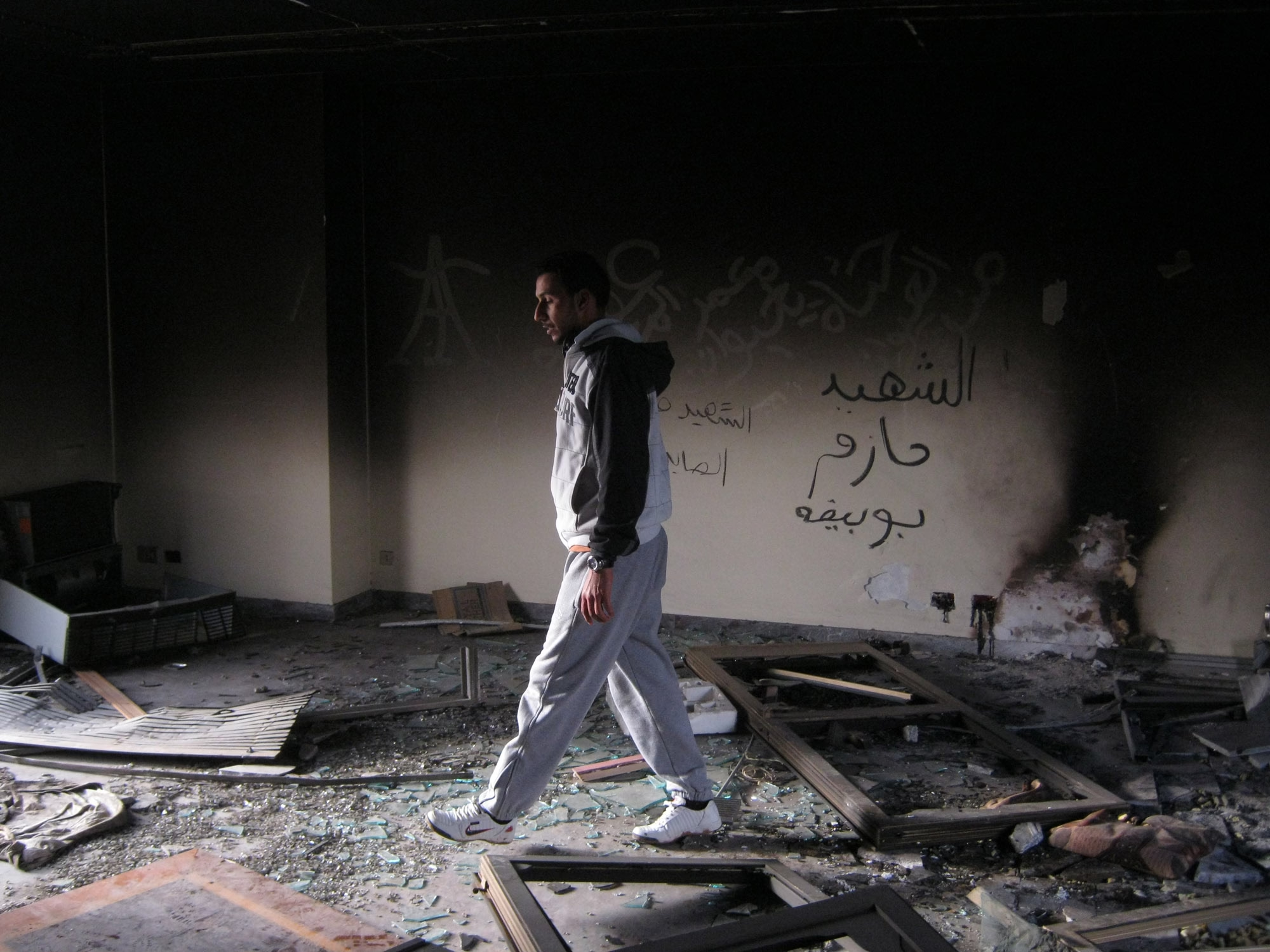
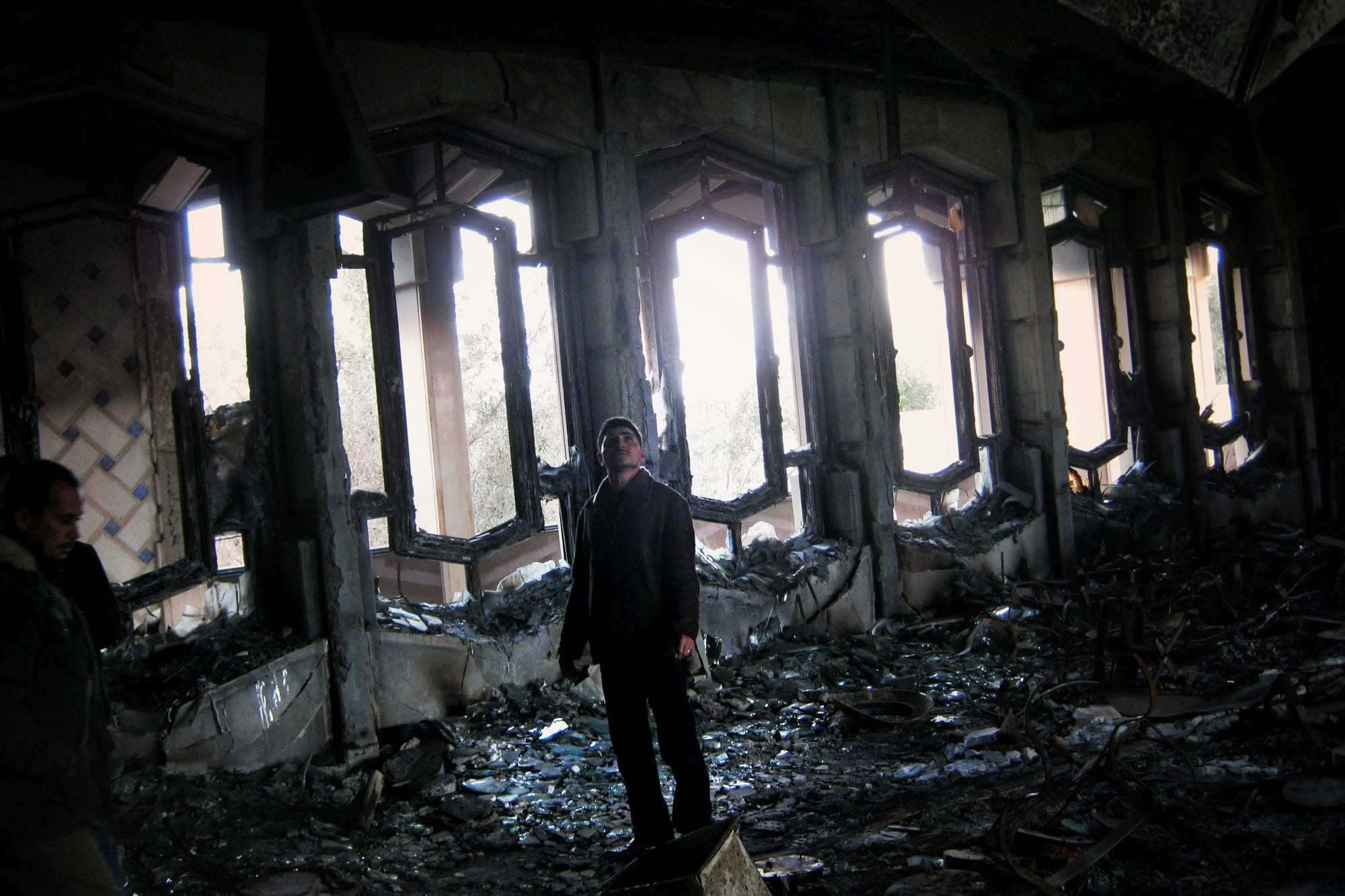
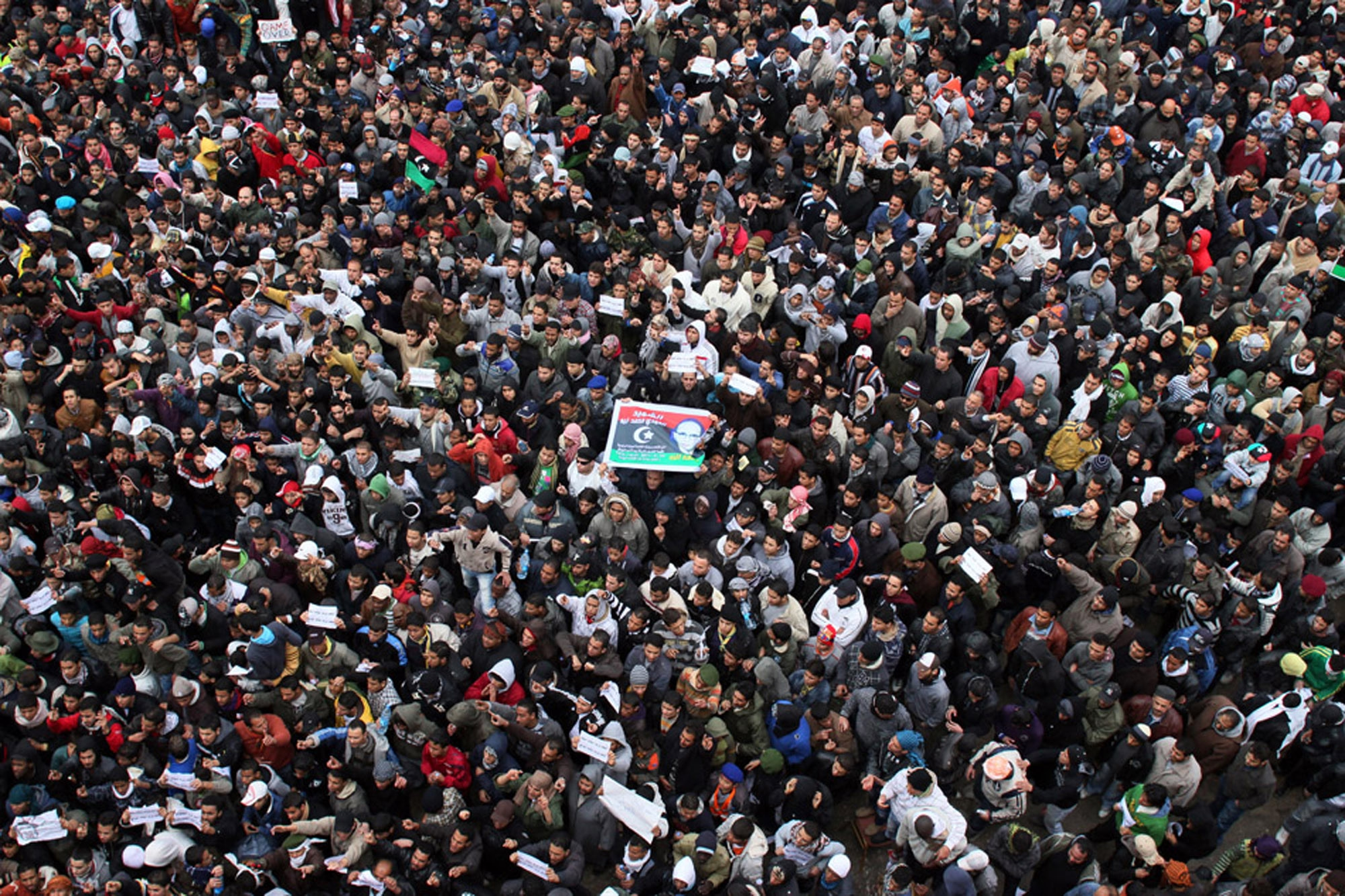
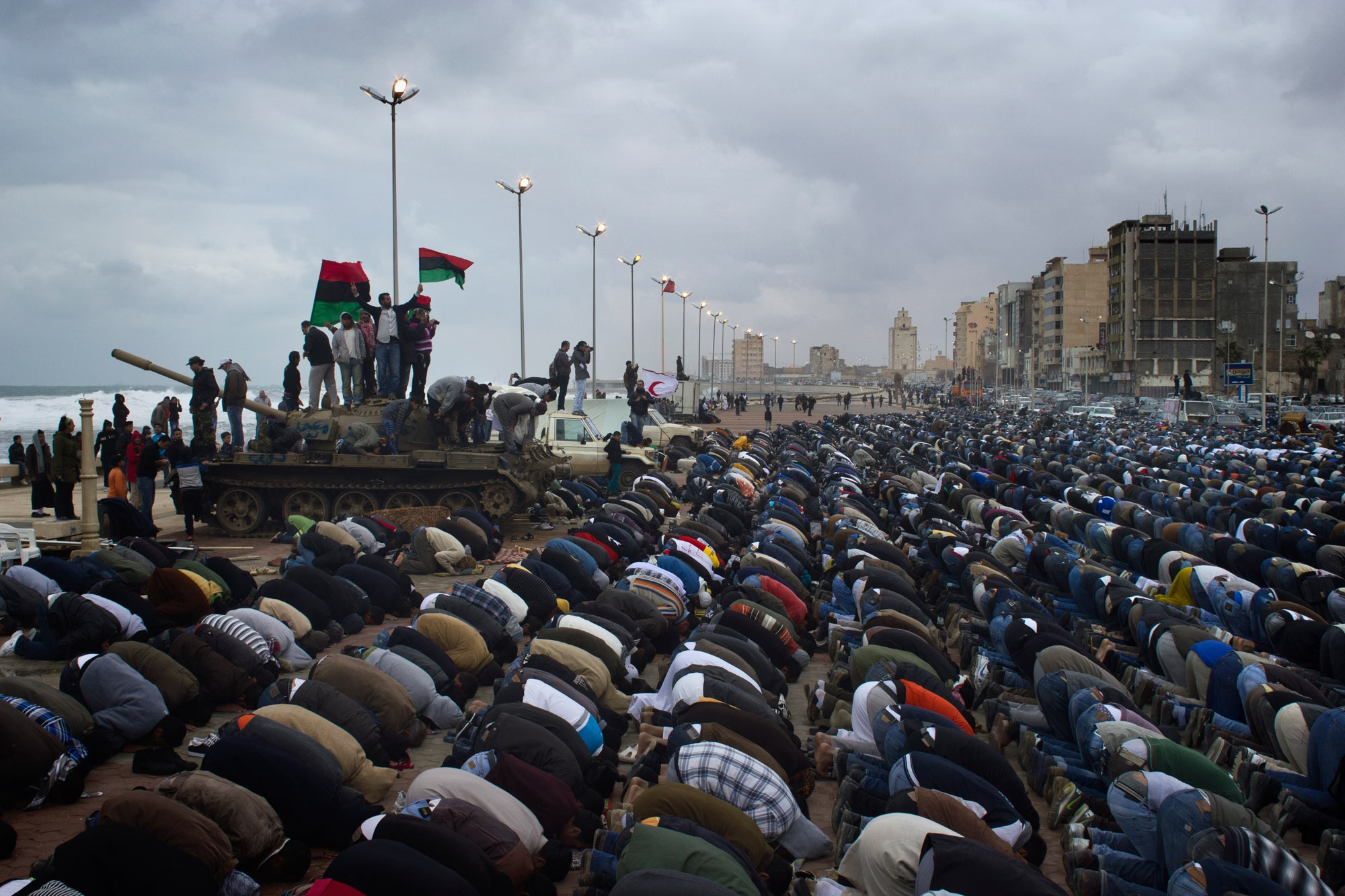
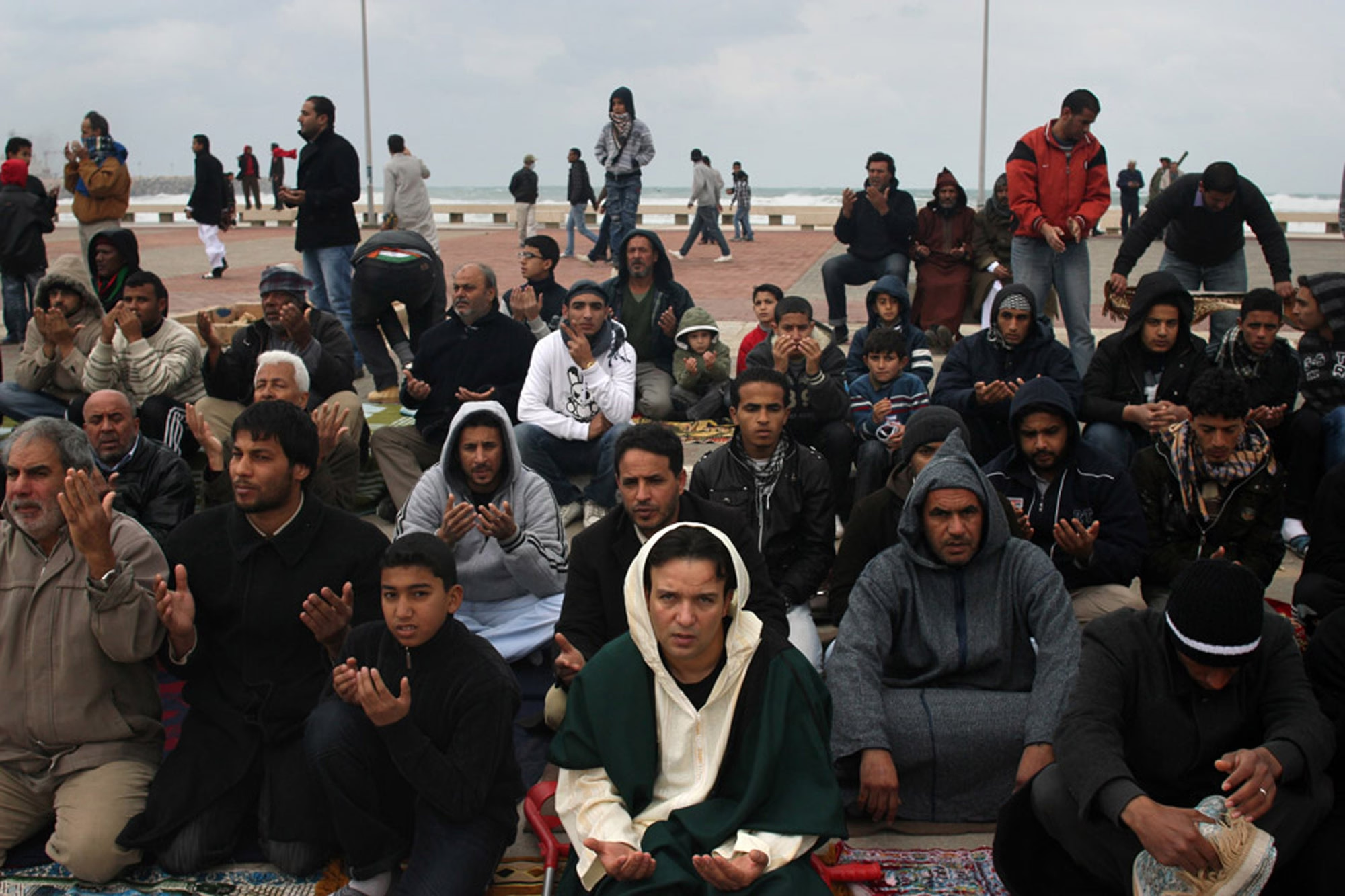
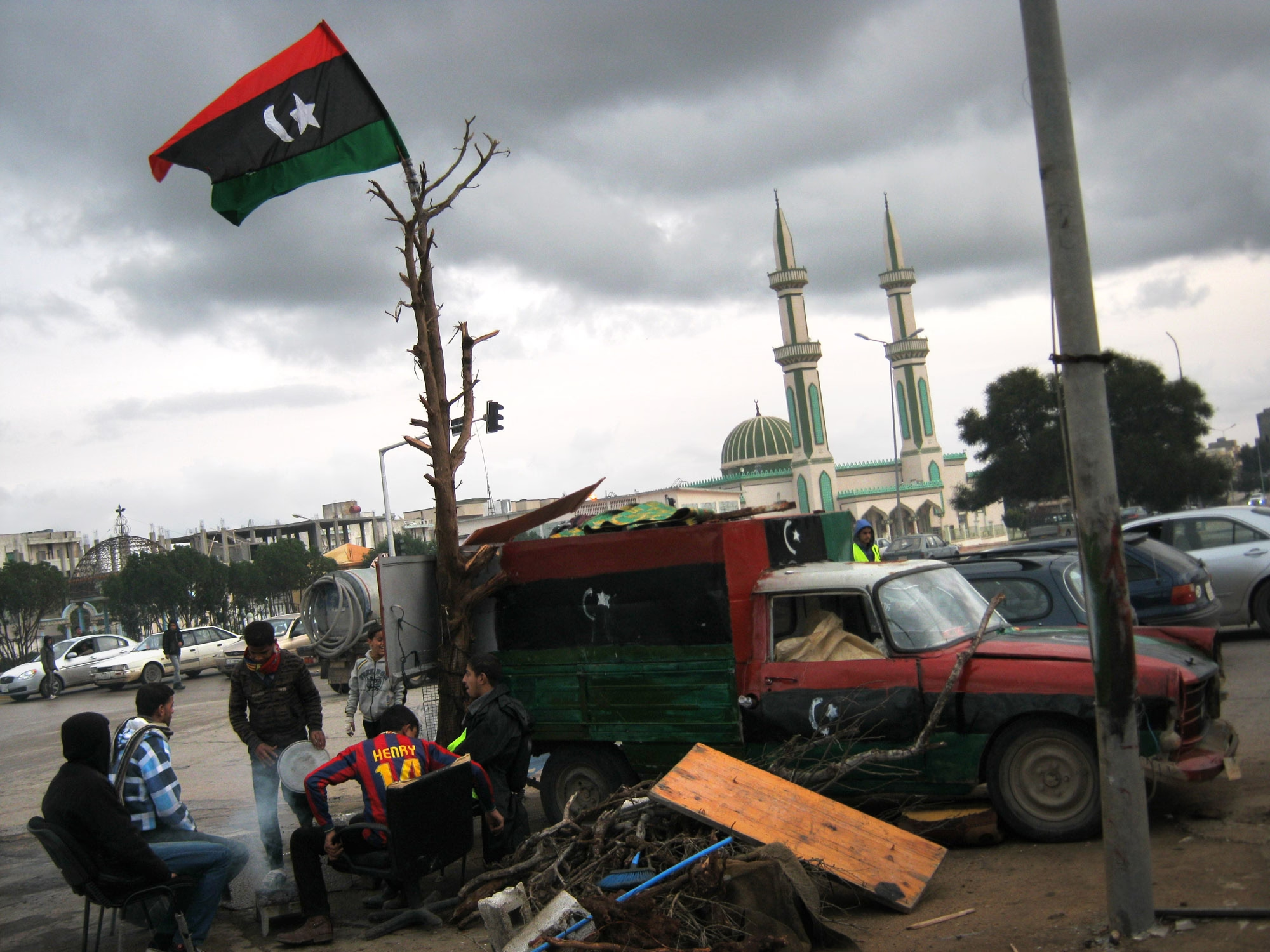
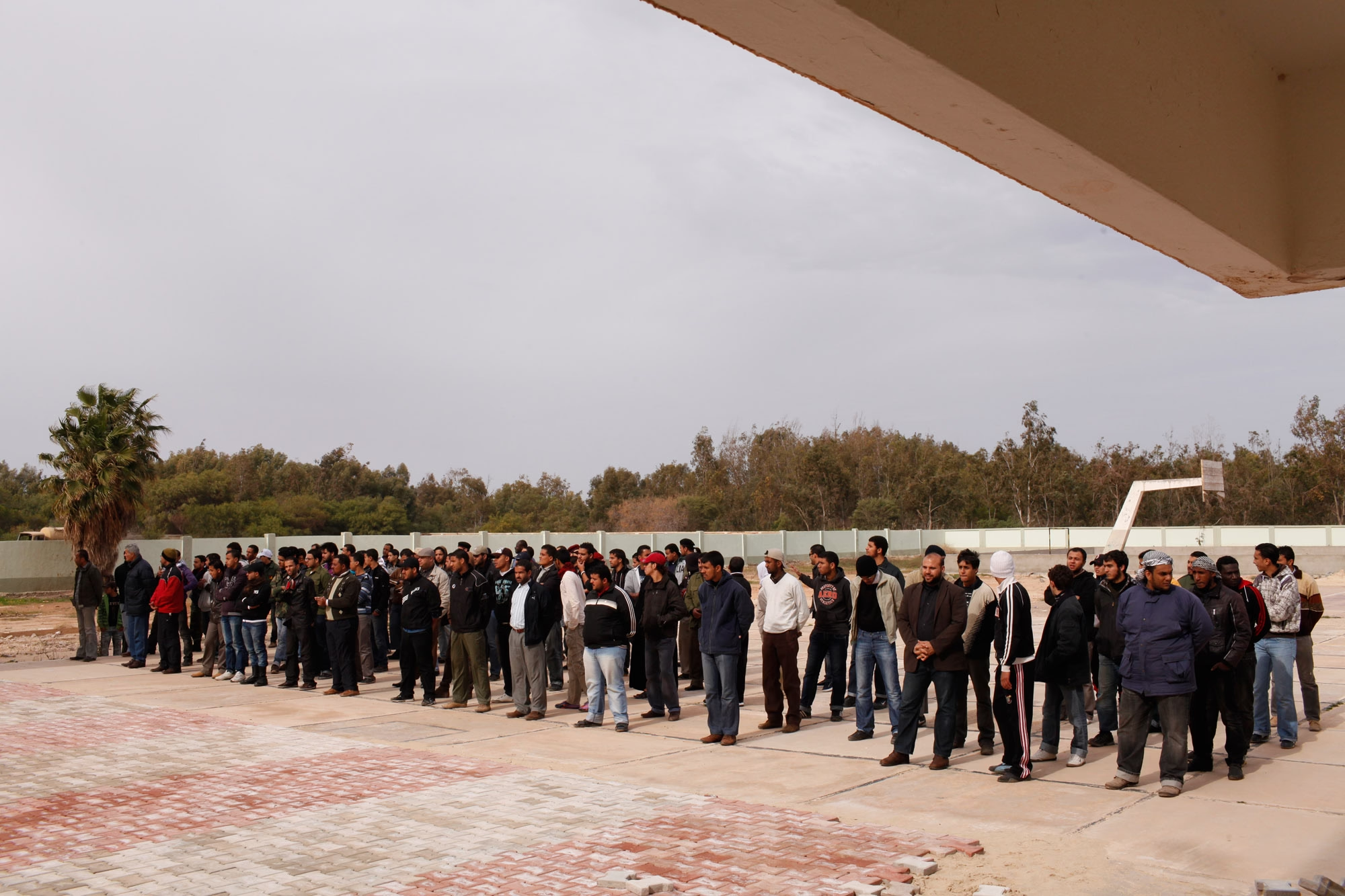
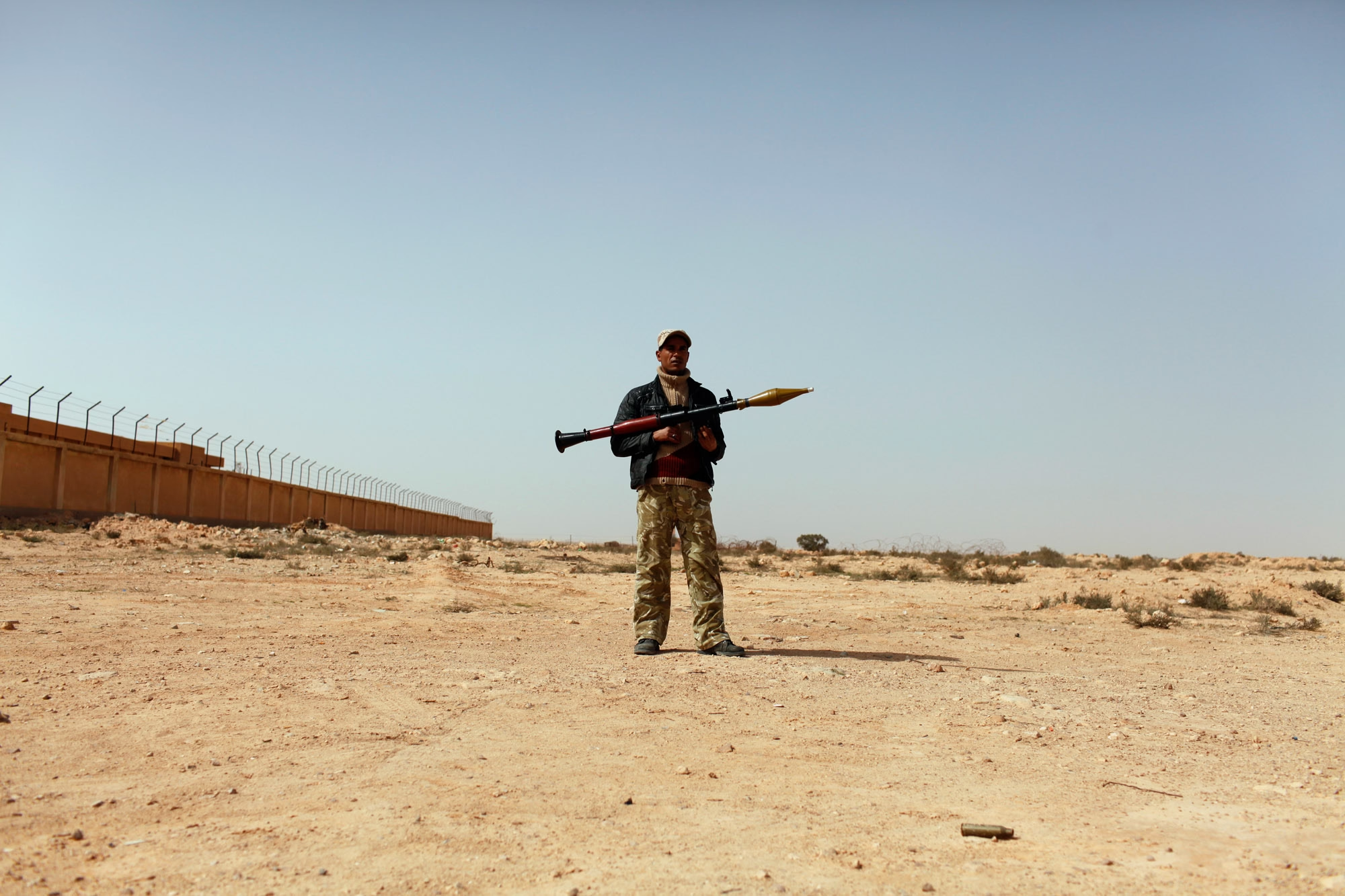
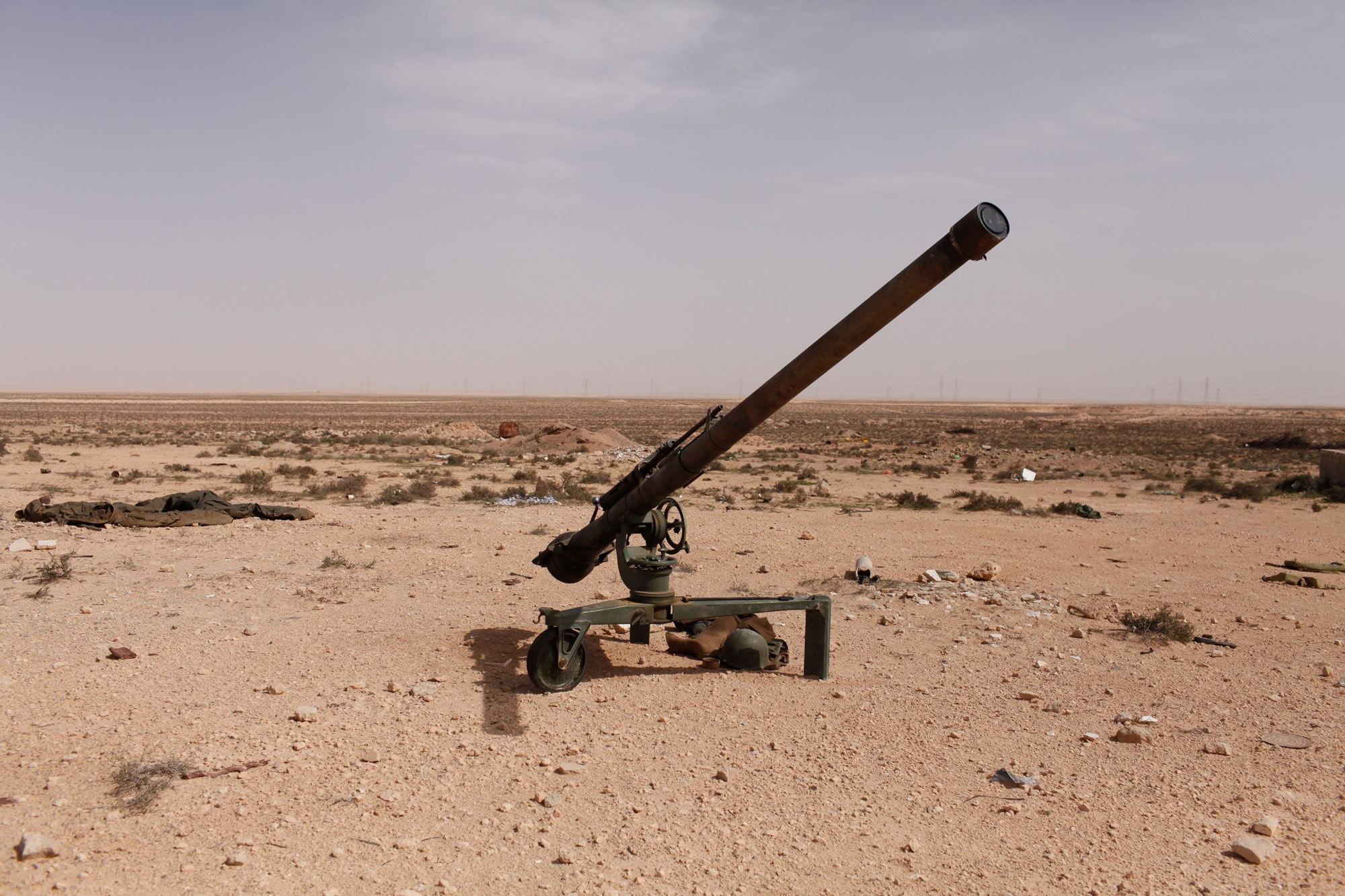
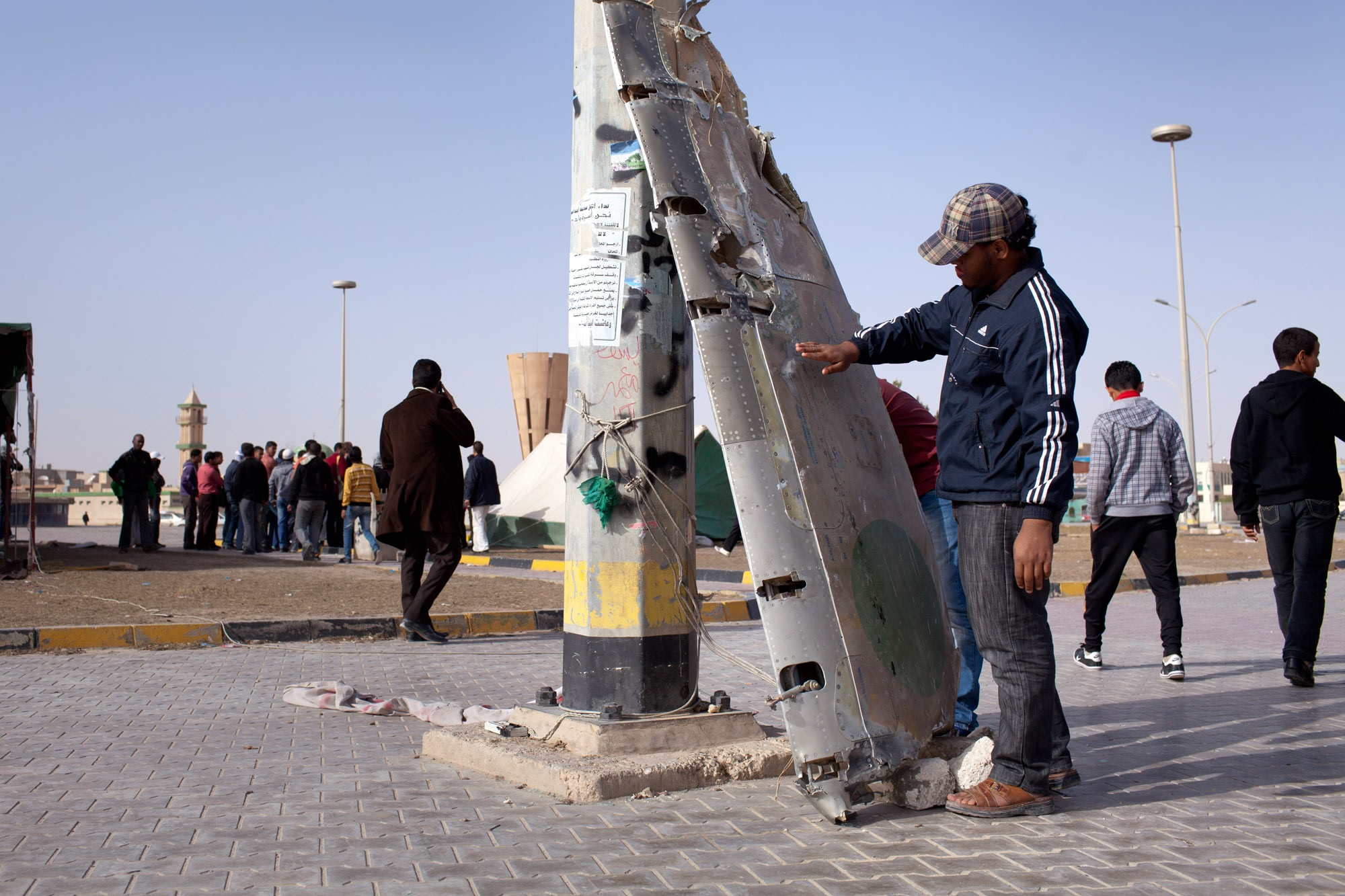
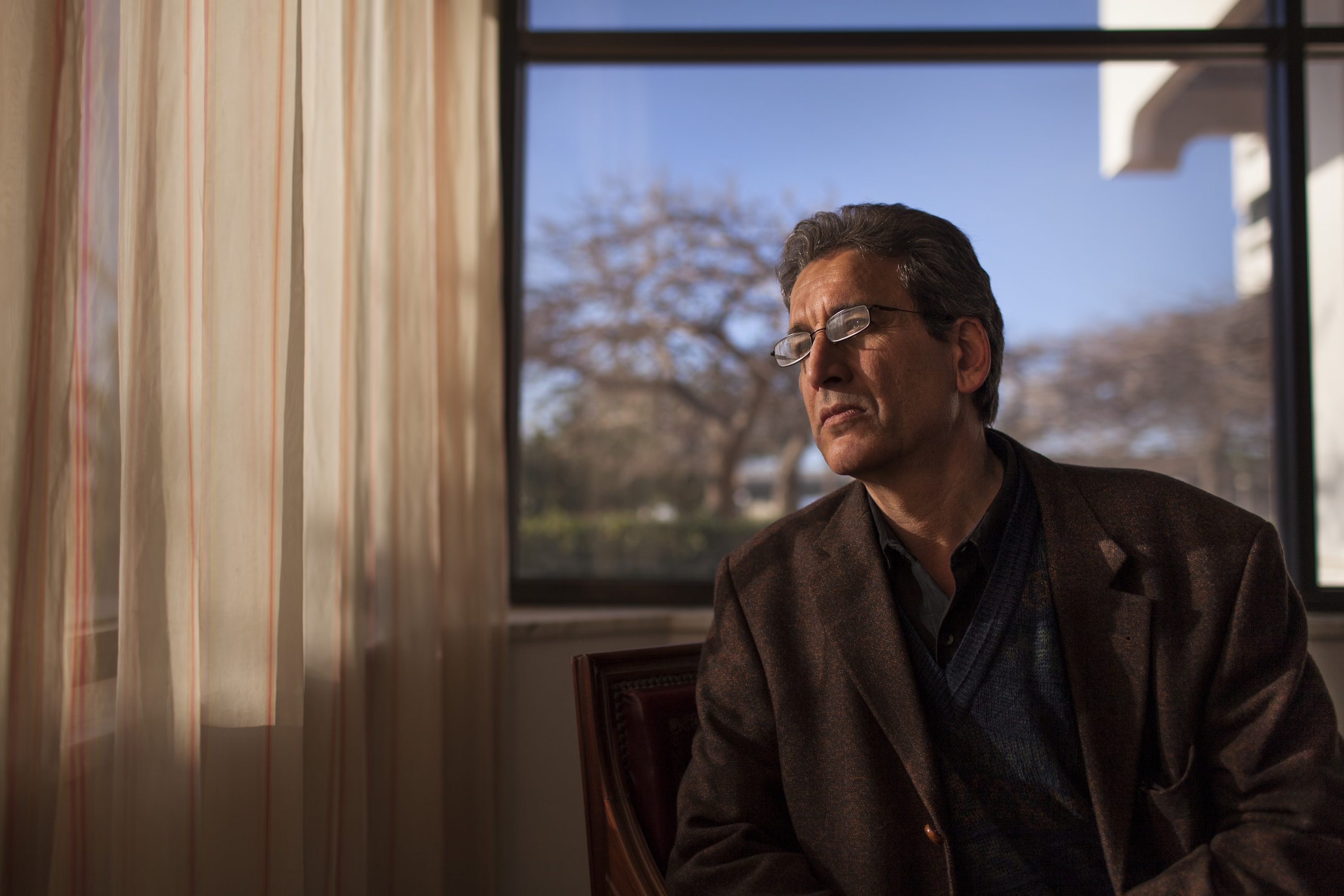
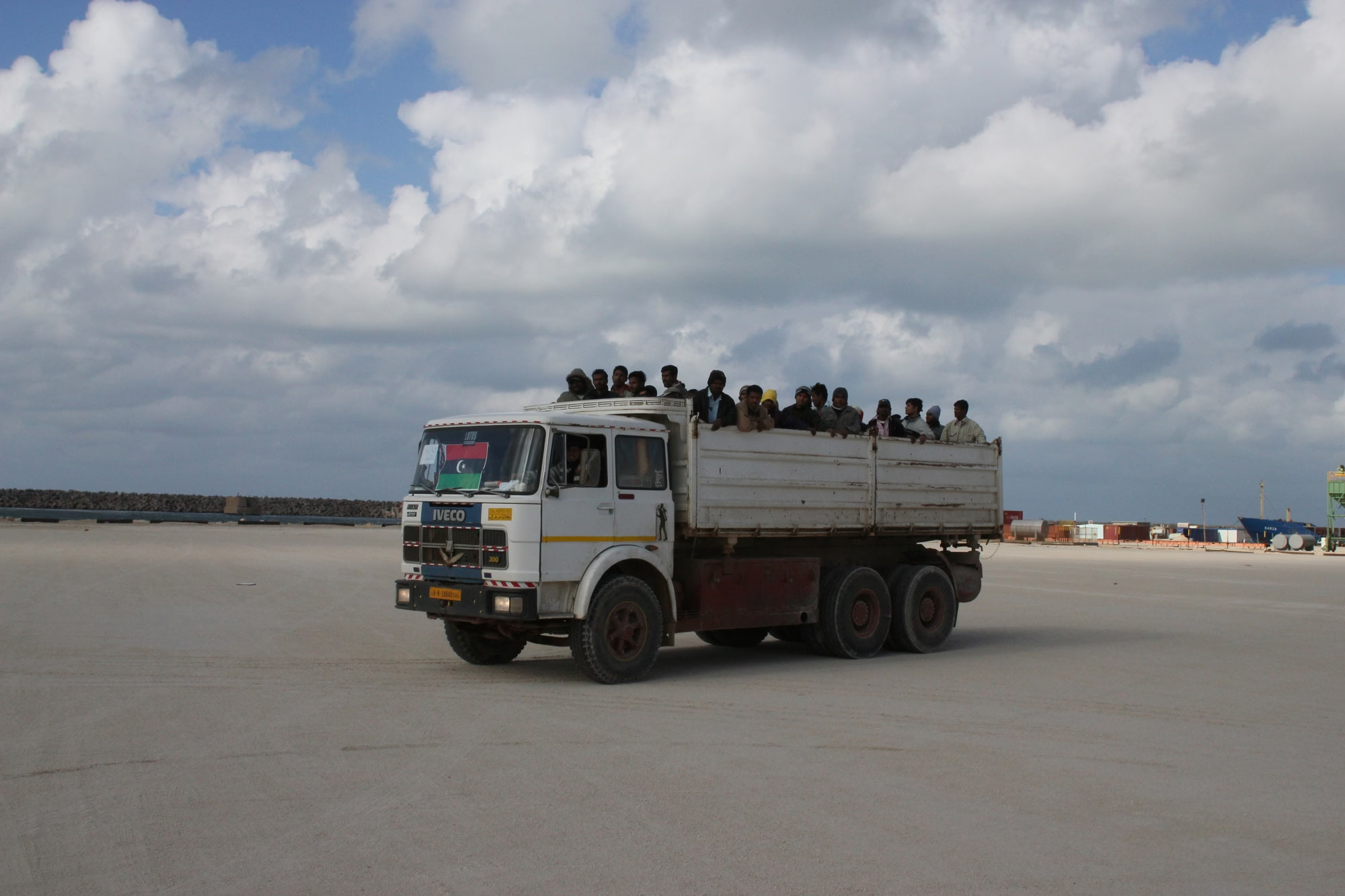
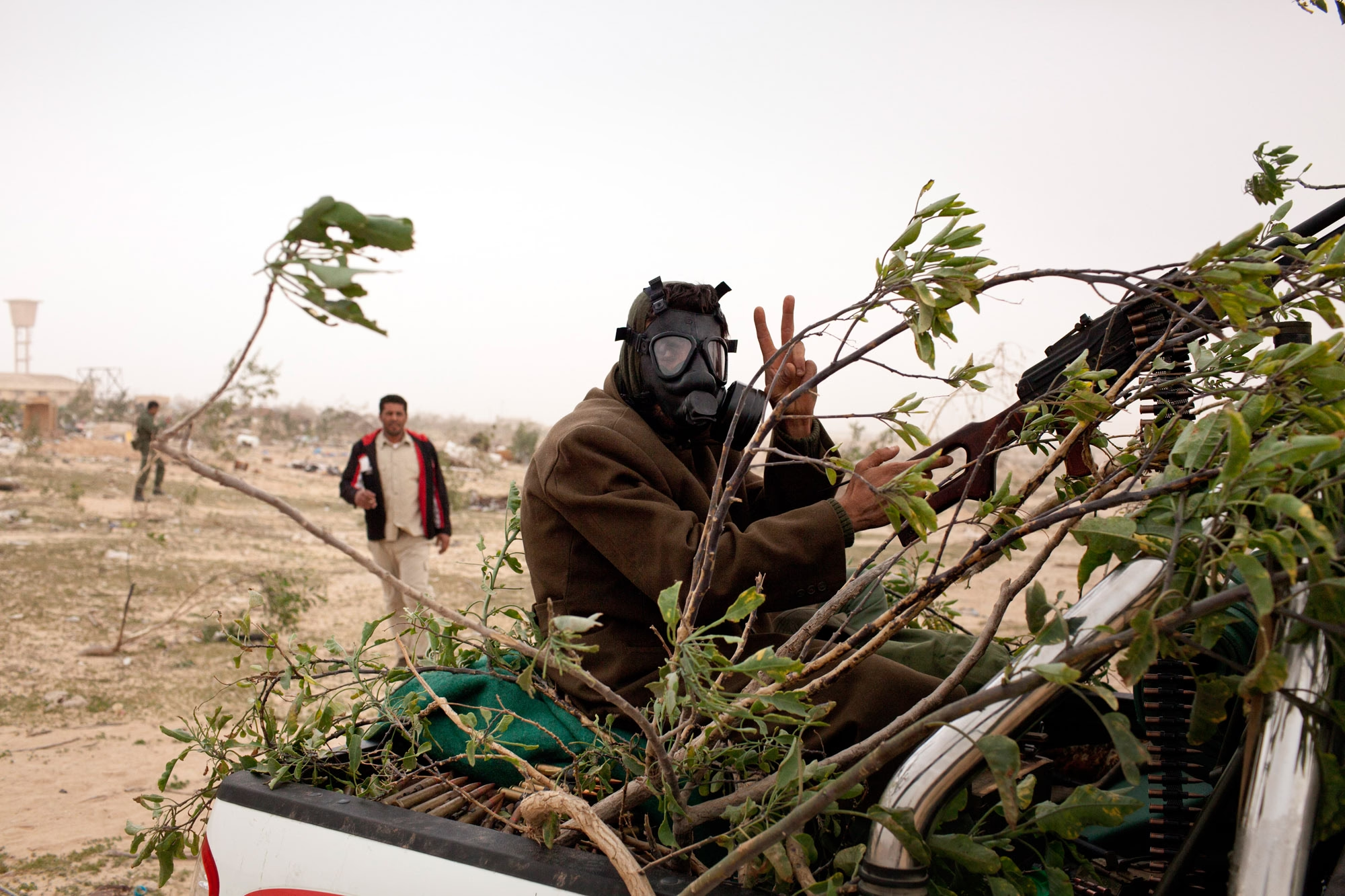
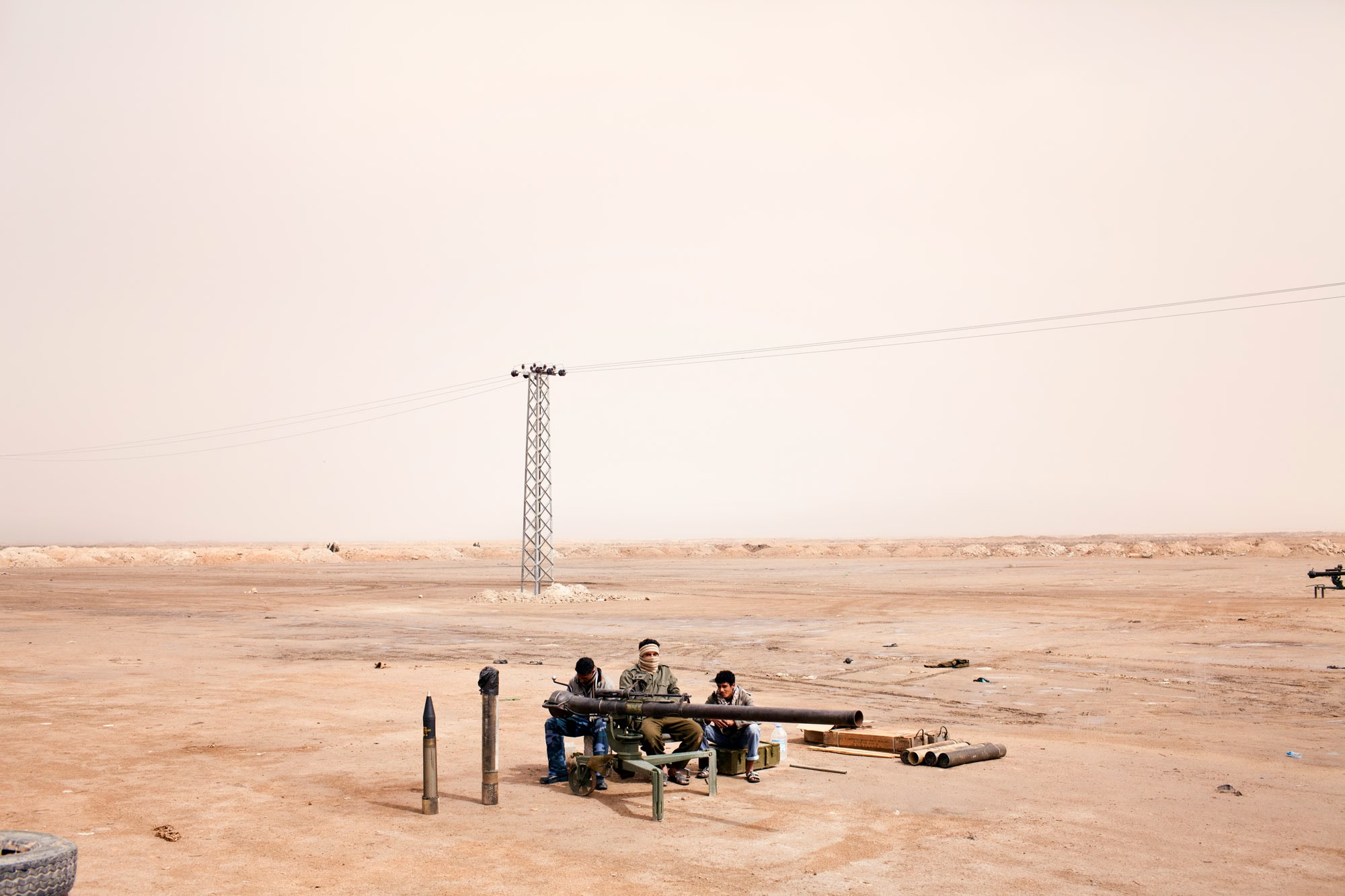
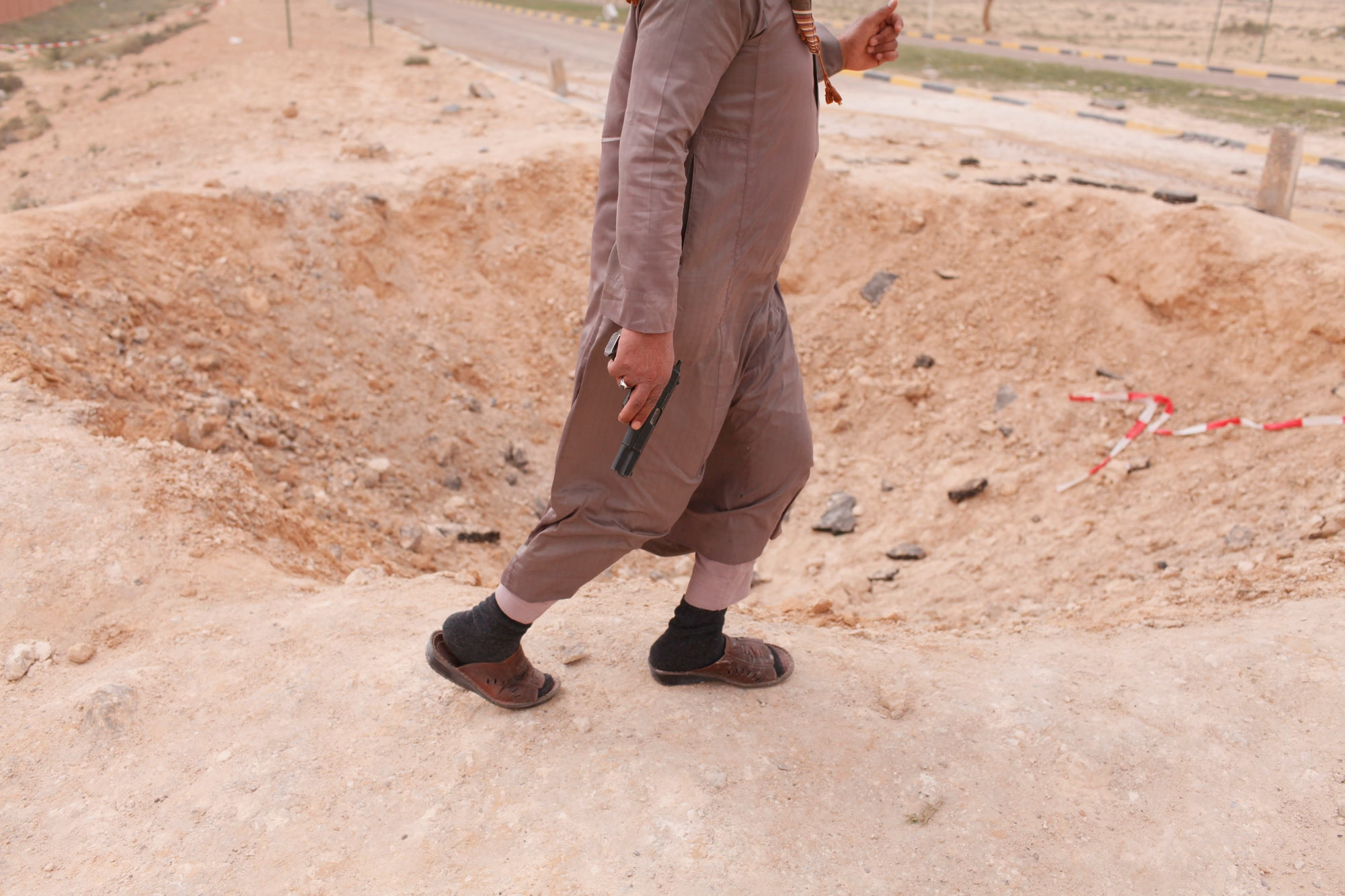
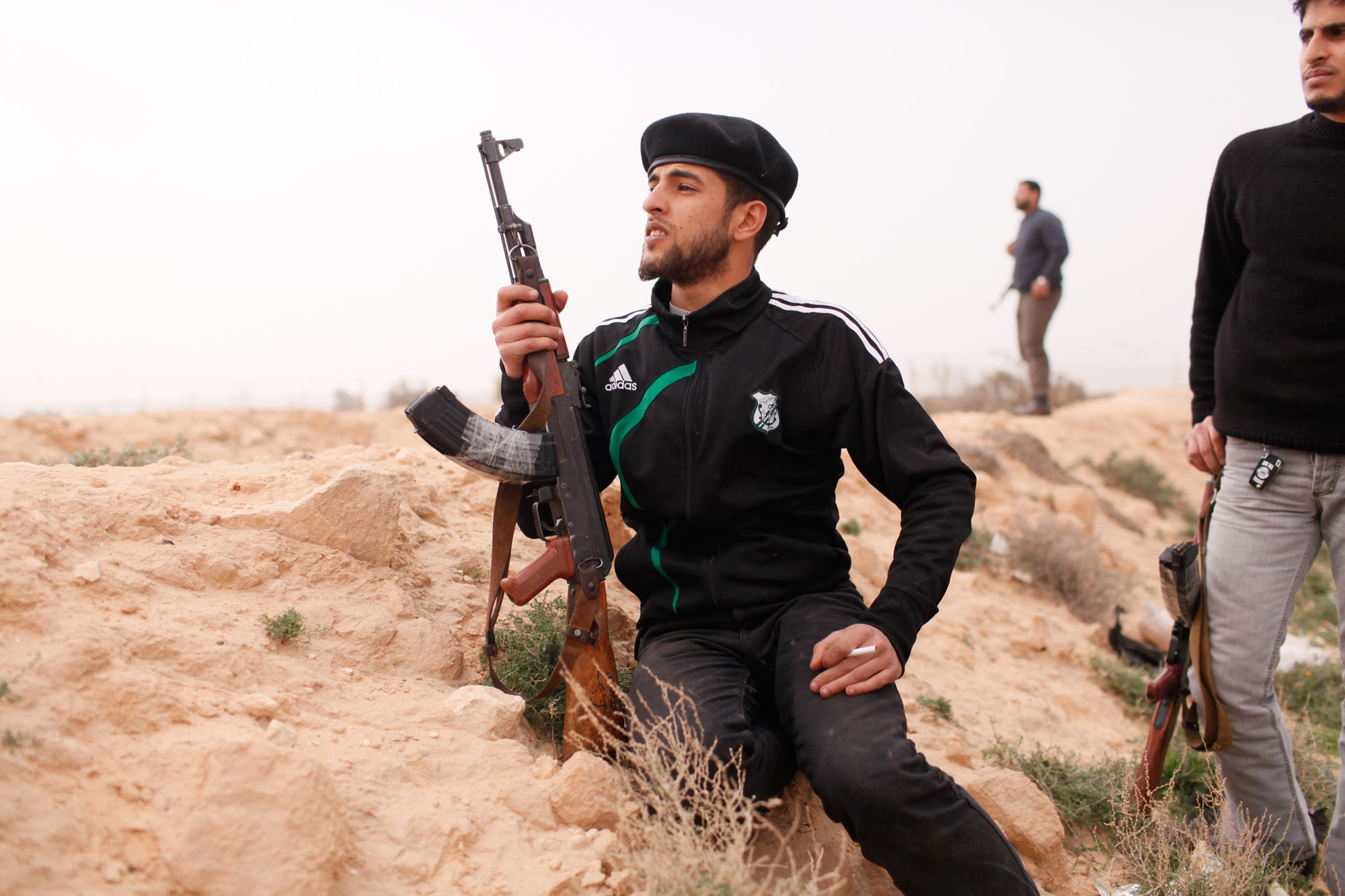
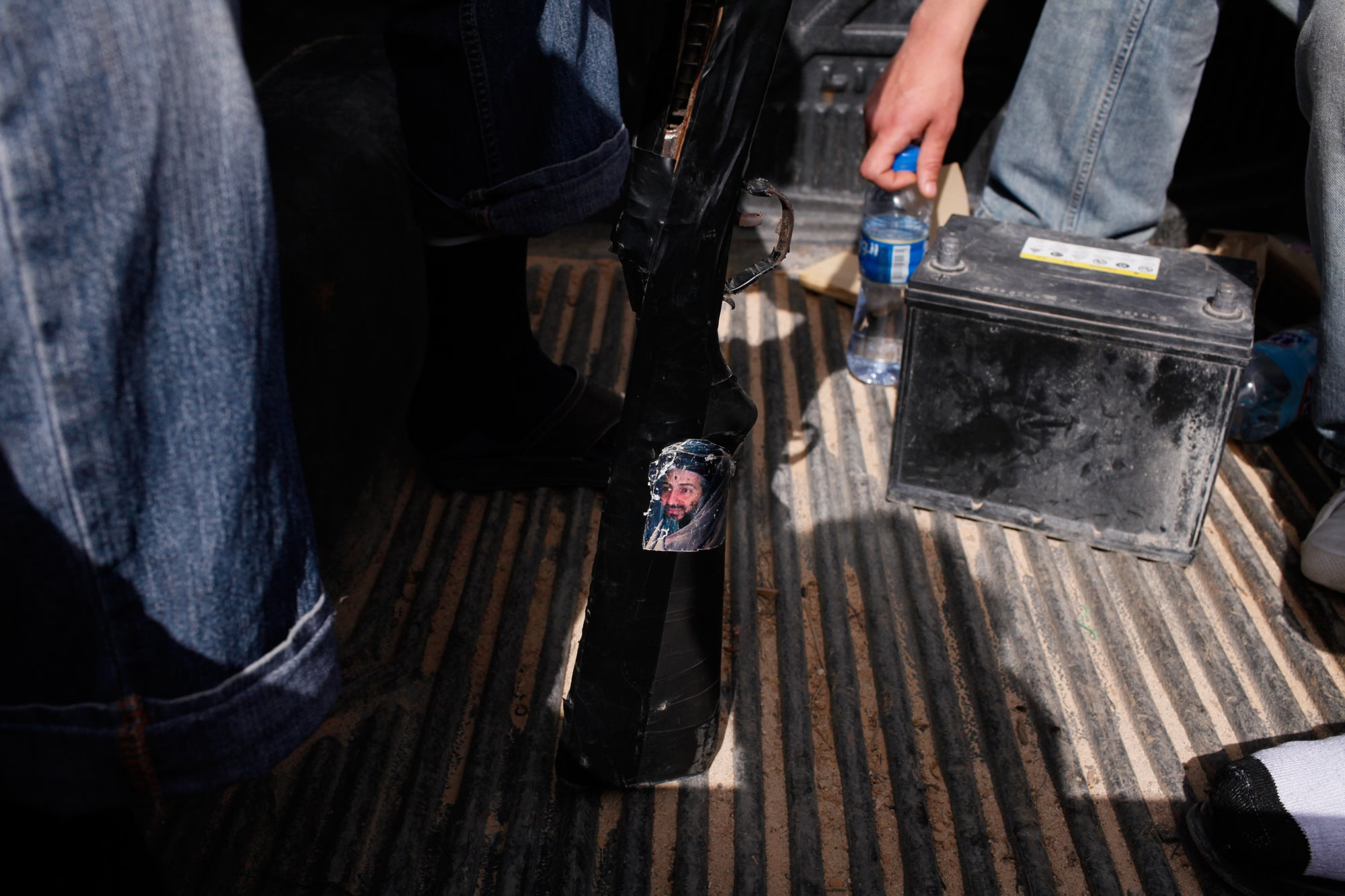
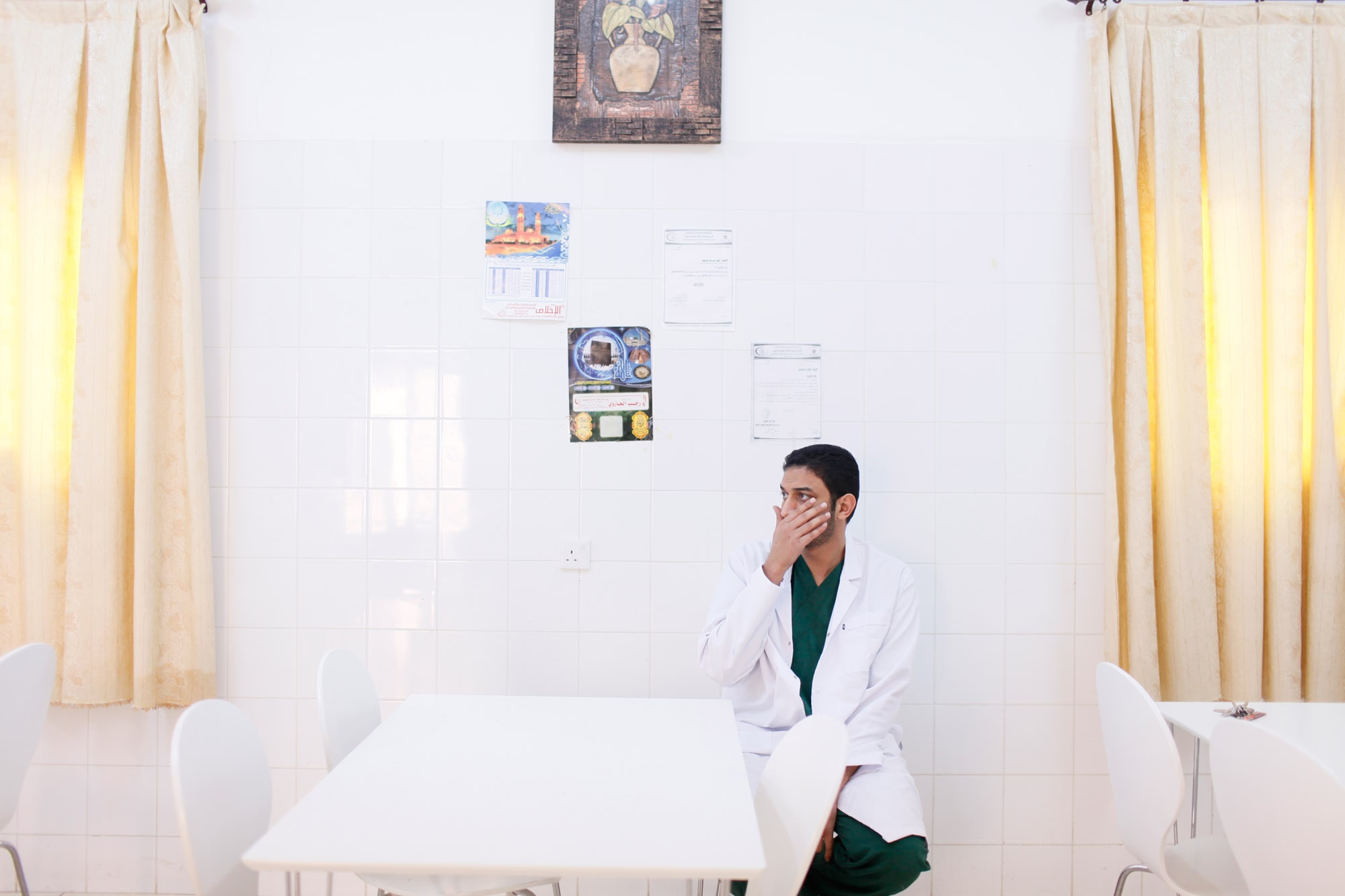
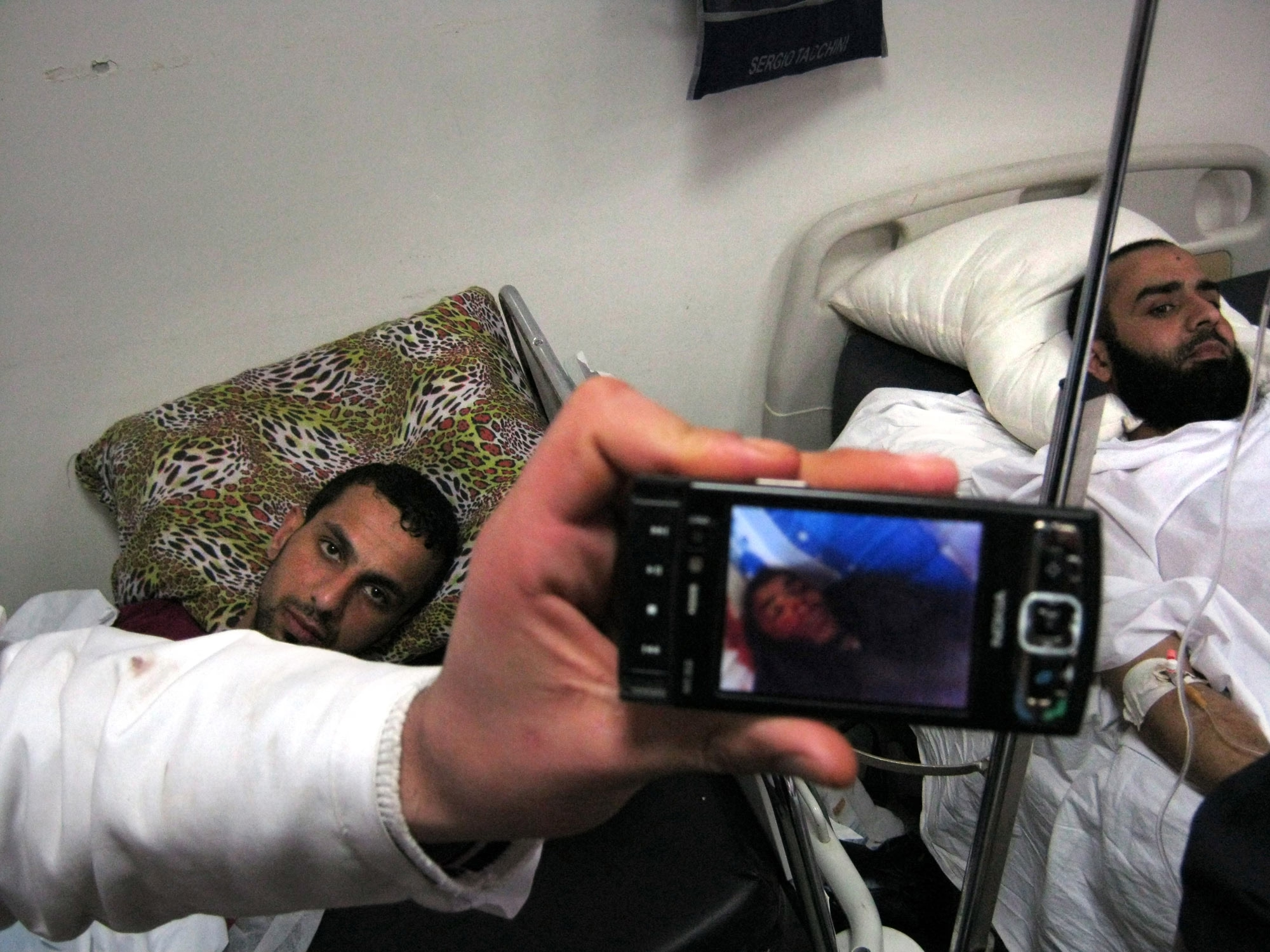
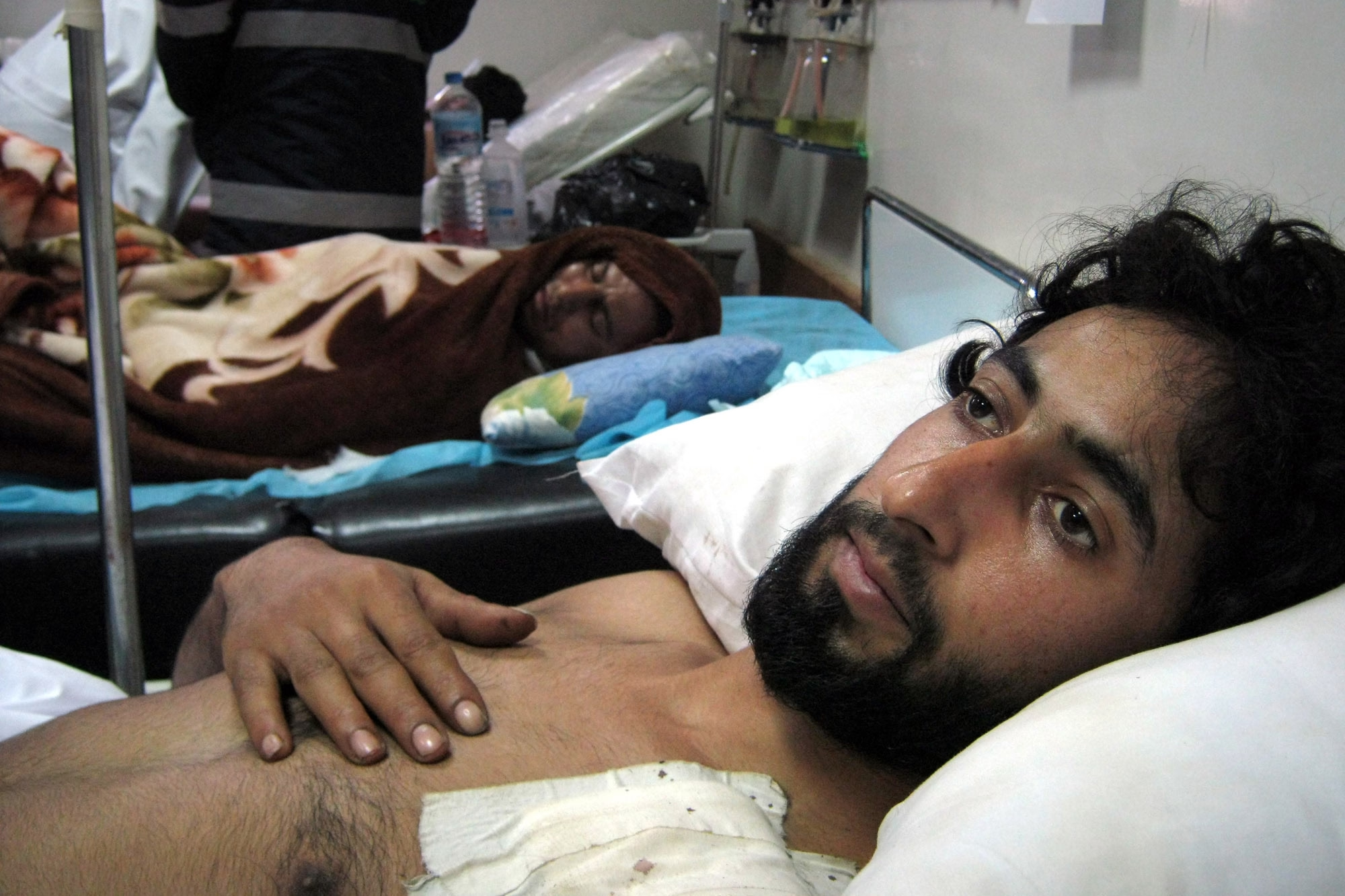
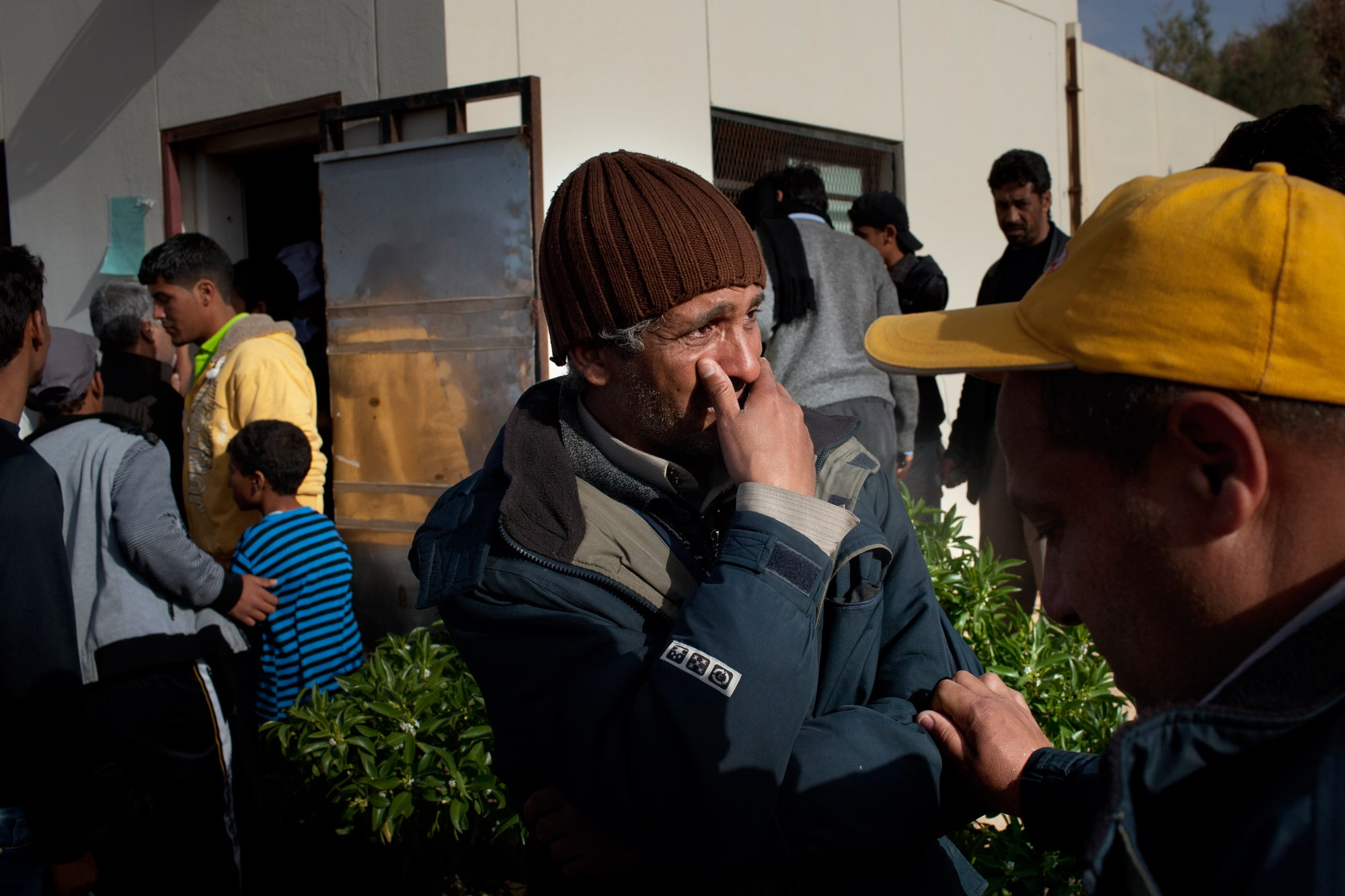
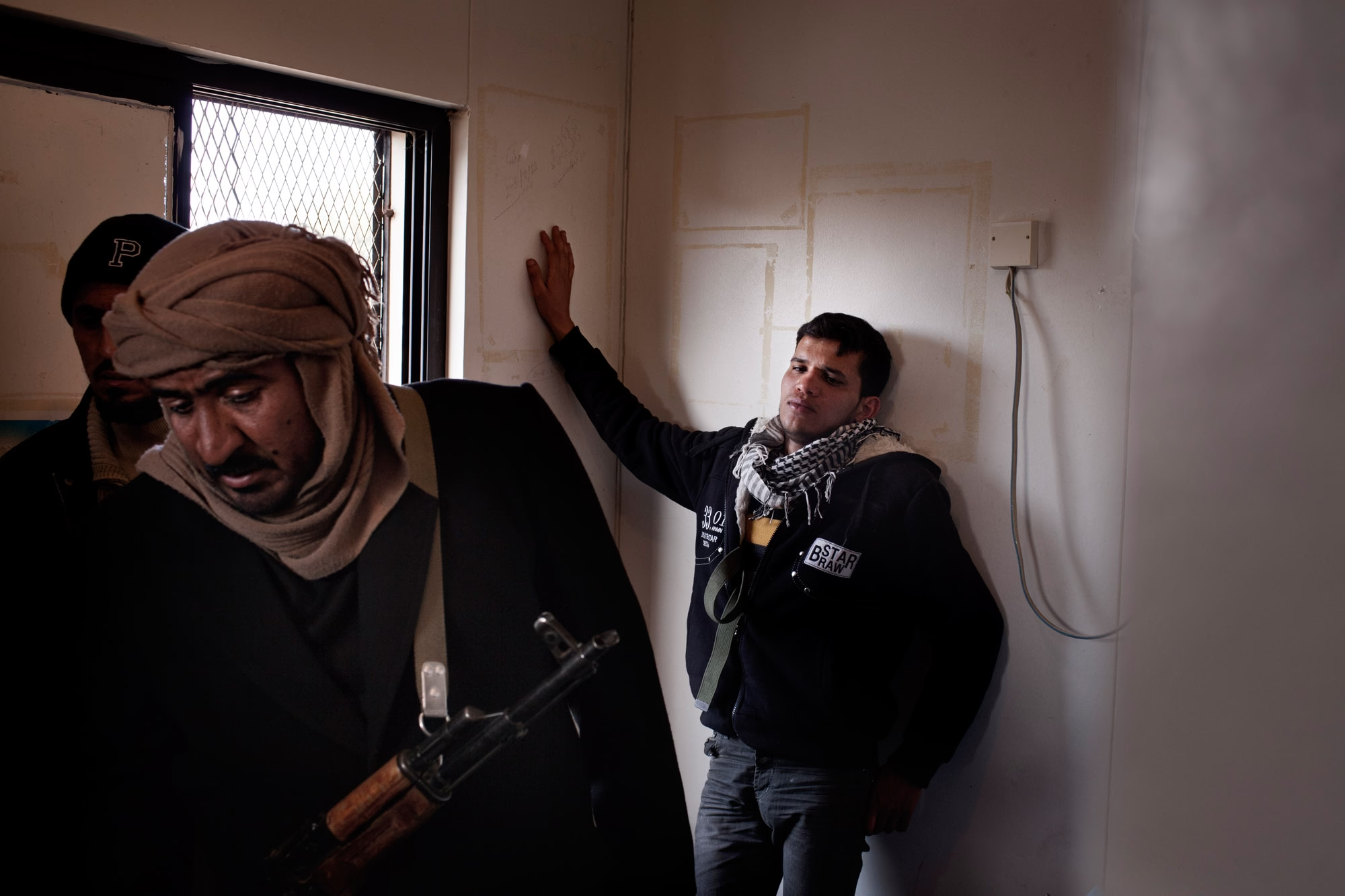
We worked close to the fighting, but I avoided going to the actual front lines. Often I found what was happening just behind them more interesting: the people organizing and supplying the opposition, the new governments taking shape, and the work of keeping things going.
Sending the pictures
Each night I sent photographs to editors. Finding internet took some work. SIM cards offered free, unmetered access that let me follow the news, although I do not remember using them to transmit pictures. Much of my filing was possible because NPR’s Lourdes Garcia-Navarro generously let us use her satellite phone. Some internet cafes also offered inexpensive satellite connections.
One night, a French writer and I were reporting on the possibility of Benghazi coming under siege. There were reports of Gaddafi’s aircraft and ground forces approaching. We took the writer’s satellite phone into the hotel yard to send our work. I could hear jets overhead while we struggled to get a signal.
The photographs were taking so long to upload that I kept making them smaller and lowering the quality. I wanted to get them sent and get back inside.

Returning
Eventually I ran out of cash. A few ATMs still worked, but I was waiting for day-rate payments from the work in Egypt, and getting newspapers to pay correctly into either my Egyptian or American account was often difficult. I also needed a break. I went back to Cairo.
When I returned to Libya, I was mostly on my own. I knew I could call the journalists in Benghazi if I needed help, but I was free to spend the day talking with people or exploring another town. The photographs from that return visit were made in June and July. The war was still going on.


A family in Shehat
In Shehat I met a very kind family who had just had a baby. They were worried about the baby’s health, and with the hospitals no longer working normally, they had not been able to get the child properly examined.
I remembered a Red Cross ship anchored in Benghazi. The next day we arranged a car and drove to the port to look for help. The ship was gone. It had left the night before.
I never learned how the baby was doing afterward. I still worry about that family.

In Tobruk, a friendly man took me to his home on the edge of town, fed me and gave me a place to sleep. Back in town, he dropped me outside a photo studio. The photographer wanted to take my picture. I was not sure what to make of the arrangement, but I went along with it. As he prepared his camera, I photographed him.

I learned to trust what I saw, but not too much. I had to question the accounts I was given, and the assumptions I brought with me.

